
Every organization we link to: local tourism offices, the state and federal agencies that manage the land, the nonprofits and clubs that keep access open, and the universities doing the research.
West Virginia has roughly 1.5 million acres of public land and a handful of places that carry almost all of the attention. The consequence is that a great deal of very good ground sits nearly empty, usually for one of three reasons: nobody has heard of it, the road in is gated or rough, or it is undeveloped and has nothing to advertise. Those are the places below — of them across regions.
Almost Heaven Swings
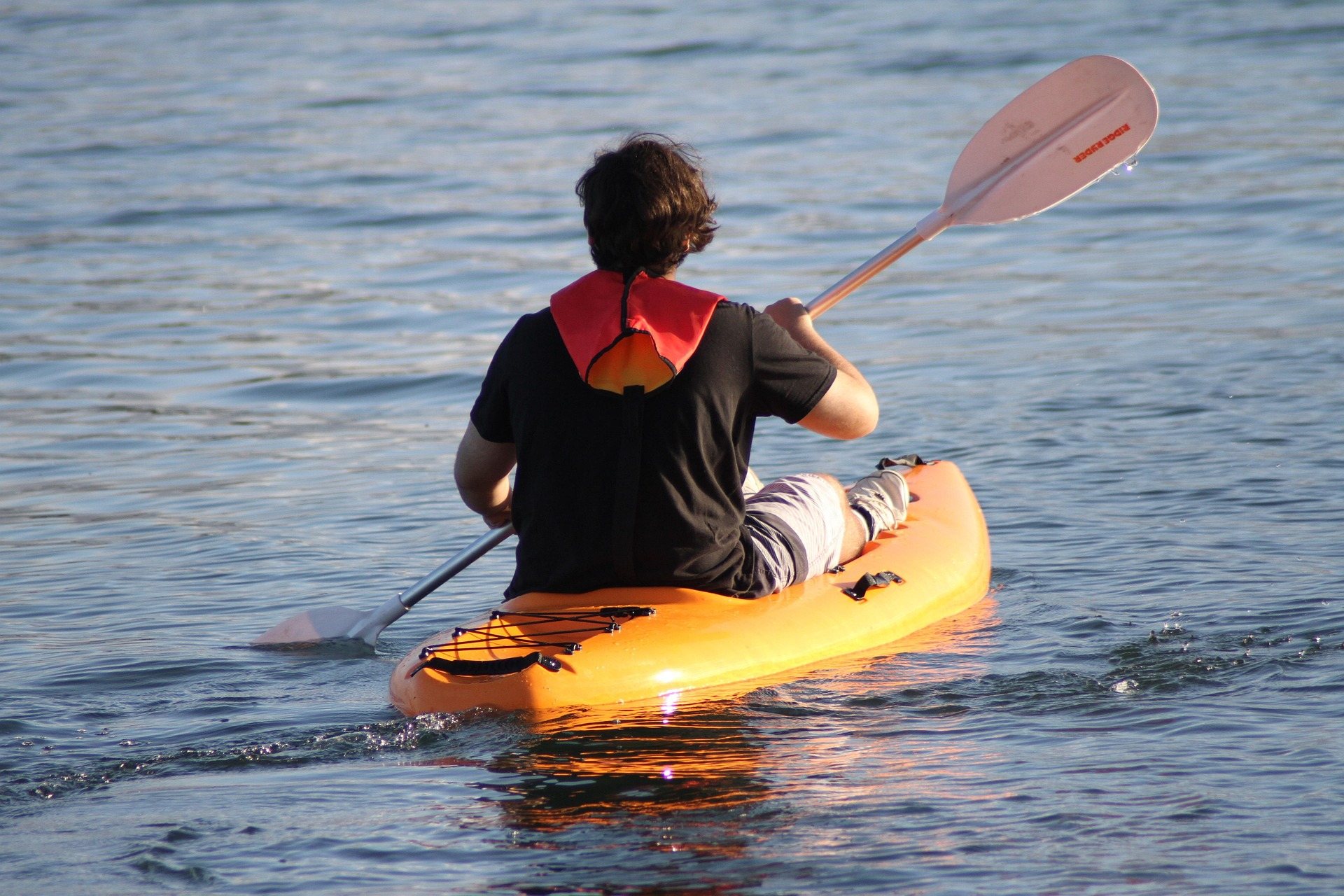
What the Corps manages at Sutton Lake, West Virginia
Sutton Lake, West Virginia's most central reservoir, covers 1,440 acres on the Elk River in Braxton County. The Army Corps of Engineers built it and still runs it, and that single fact shapes every trip. The Corps' Huntington District publishes the reservoir's level, and reading it before you leave home is worth more than any other piece of planning you can do. The shoreline is long and folded into quiet coves, several campgrounds sit along it, and the dam at the downstream end creates the cold Elk River tailwater that anglers drive across state lines to fish.
Getting here is easier than getting almost anywhere else in this part of the state. The lake sits just off Interstate 79 at the geographic center of West Virginia, which makes it a practical stop rather than a place you have to commit a whole weekend to reach. The Mountain Lakes region has three major Corps reservoirs — Sutton, Burnsville and Stonewall Jackson — and Sutton is the one with a tailwater fishery below the dam. It is also the least visited region in the state, so the boat traffic on a July weekend is nothing like what the acreage would suggest.
Launching a boat
The boating season here runs April through October and suits all levels. Ramps, navigation rules, registration and public water access are administered through the WVDNR boating program rather than by the Corps, so the paperwork side of a trip is a state matter. Motorboat registration and boater education requirements are set by WVDNR, and both are worth sorting out before you hitch the trailer rather than in a parking lot at the ramp. Horsepower limits vary from lake to lake in West Virginia, and Sutton's limit is not something the agencies publish in their general lake information — confirm it with WVDNR before you tow a big motor here.
Because the pool moves with flood-control operations, the amount of usable ramp and shoreline changes through the season and sometimes within a week. That is not a defect of the lake; it is what the lake is for. Check the district's level before you drive, and have a second launch in mind. The coves are where the lake earns its reputation: they cut back from the main body far enough that you can lose the sound of an outboard, and they are shallow enough that a good depth reading matters more than horsepower.
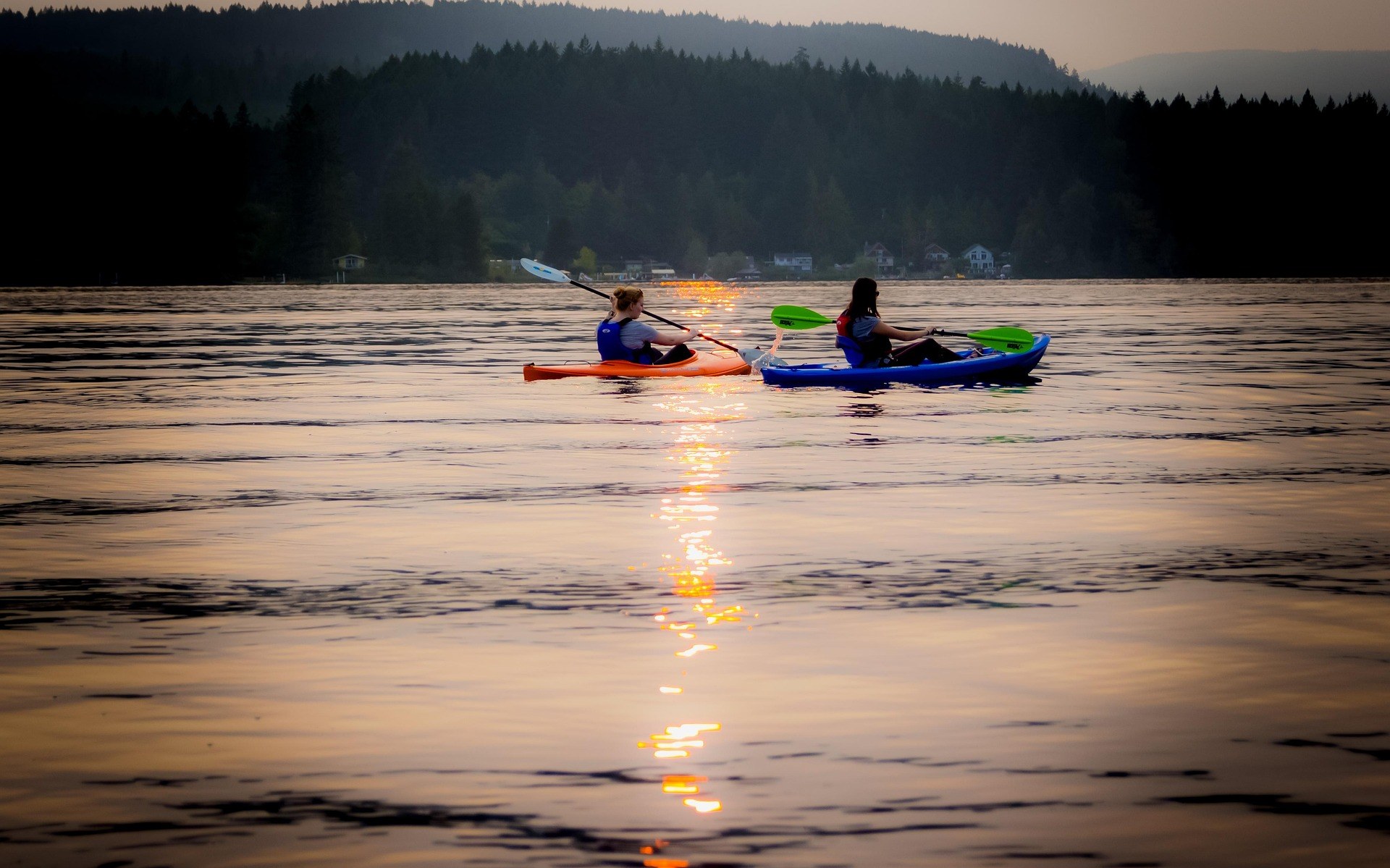
Paddling the coves
Flatwater paddling on Sutton runs the same April to October window and is genuinely beginner-appropriate. The value of a Corps reservoir to a paddler is reliability: when the rivers are too low to float or running too high to be sensible, the lake is still there at a workable level. Reservoir levels are published by the Army Corps district office, which means you can know what you are launching into before you load the boat. That is a rare thing in central West Virginia, where most paddling depends on what the last week of rain did.
The coves are the paddling, and the main body is the crossing you make to reach them. Open water on a reservoir builds a chop in an afternoon wind that a loaded canoe will not enjoy, so the standard approach is to work the shoreline and cut across at the narrow points. Kayak fishing is one of the established uses here, and it fits the water well — a paddler can reach the backs of coves that a trailered boat cannot, and can do it without a horsepower question to answer.
Bass, muskie and catfish
The lake fishery is bass, muskie and catfish. Muskie is the one that brings people from outside the region and the one that rewards patience over numbers; bass and catfish carry the ordinary days. Anglers who come to Sutton Lake, West Virginia for a weekend generally split their time between the coves and the timbered edges, and the fluctuating pool is a factor rather than a nuisance — a falling lake concentrates fish, and a rising one pushes them into cover that was dry ground the week before. Whichever way it is moving, the level is the first thing to look up.
Below the dam is a different fishery altogether, and it is worth knowing about even if you came for the lake. The Elk River tailwater runs cold and clear year-round, holds wild and holdover brown trout, and includes a celebrated catch-and-release section that is the marquee water on the river. It comes with one hard rule: check the dam release schedule before you wade, because the water that makes the fishery is the water that makes it dangerous. Further downstream the river warms into smallmouth water, and that fishing is excellent and lightly pressured.
Camping at Bee Run and Gerald Freeman
Bee Run and Gerald Freeman are the main campgrounds on the lake, and between them they cover both tent camping and RV camping. Site counts, hookups and fees are not part of what the Corps publishes in its general information about the lake, so get those specifics from the Huntington District before you plan a trip around a particular site or an RV of a particular length. What is reliable is the character: Corps lakeside camping, close to the water, with the boat ramp rather than a nature center as the center of gravity.
July and August weekends are the pressure points, and they are the only times the campgrounds feel like a competition. Shoulder-season camping here is quiet to the point of solitude, which is the general condition of the Mountain Lakes region rather than anything peculiar to Sutton. Hunting is one of the established uses on the public land around the reservoir, so autumn campers are sharing the ground with hunters — blaze orange is the sensible precaution on any wildlife management area in season, and it applies to anglers walking a shoreline as much as to hunters. The hardwood turns through October, and the camping is at its best then.
Water level, season and what closes down
The published season for both boating and flatwater paddling on the state's reservoirs is April through October, and that window is a fair description of when Sutton is set up for visitors. Spring melt and heavy rain are exactly when a flood-control lake does its work, which means the level in April and May can sit well off summer normal in either direction. Late summer is the most stable water and the warmest, and it is also when the tubing float on the river below the dam comes into its own. Choose your month by what you want the water to be doing.
Nothing about the reservoir itself depends on a facility being open — the water is there year-round, and the fishing does not stop because the calendar says November. What changes is the support around it. Services thin out once the summer season ends, the reservoir levels the Corps publishes become more important rather than less, and a cold-weather trip here is a self-sufficient one. Plan on that instead of assuming a store or a staffed office will be open when you arrive, and carry what you need for the day.
If the lake is busy: Burnsville and the float below the dam
Burnsville Lake is the obvious alternative, a 968-acre Corps reservoir on the Little Kanawha and one of the quietest, most underused pieces of water in the state. It is excellent muskie water. The Bulltown Historic Area sits on its shore with Civil War earthworks and a preserved farmstead, and Bulltown Campground is one of the better Corps campgrounds in West Virginia. For a weekend that mixes flatwater with something to walk to, it holds up against Sutton on every count except the tailwater below the dam. Cedar Creek State Park, with three small fishing lakes and easy trails, is the other quiet fallback.
The other option is to get on the river instead of the lake. The Elk below Sutton is a Class I–II summer float, June through September, that starts as cold tailwater and turns into pleasant warm-water floating through some of the emptiest country in the state. Two cautions come with it, and both are the agency's. Commercial support is thin to nonexistent, which makes this a self-supported trip with your own shuttle, and dam releases change the river fast. The upper end is trophy trout water — expect anglers and give them room.
Reach people planning this trip
Placement alongside guides for outfitters, guides, shops and lodging.
List your business hereQuestions
How big is Sutton Lake?
Where can you camp at Sutton Lake?
What fish are in Sutton Lake?
Is there a horsepower limit on Sutton Lake?
When is the boating season on Sutton Lake?
Can you tube or float the Elk River below Sutton Dam?
Read next
 Guide · Mountain Lakes
Fly Fishing the Elk River
The Elk's cold tailwater below Sutton Dam, its wild browns and catch-and-release water, the sulphur hatch, smallmouth downstream and how to find access.
9 min read · May Destination · Mountain Lakes
Things to Do in Sutton, West Virginia
Paddling, cold-water trout fishing, summer floats, rail-trail miles and the parks and forests around Sutton, at the geographic center of West Virginia.
9 min read Best of · Mountain Lakes
The Best Hikes in Holly River State Park
Potato Knob, Railroad Grade, Tramontane, Reverie and the accessible Laurel Fork loop, trail by trail, with the lengths and ratings the park publishes.
9 min read · June