
Every organization we link to: local tourism offices, the state and federal agencies that manage the land, the nonprofits and clubs that keep access open, and the universities doing the research.
West Virginia has roughly 1.5 million acres of public land and a handful of places that carry almost all of the attention. The consequence is that a great deal of very good ground sits nearly empty, usually for one of three reasons: nobody has heard of it, the road in is gated or rough, or it is undeveloped and has nothing to advertise. Those are the places below — of them across regions.
Almost Heaven Swings
The tailwater below Sutton Dam
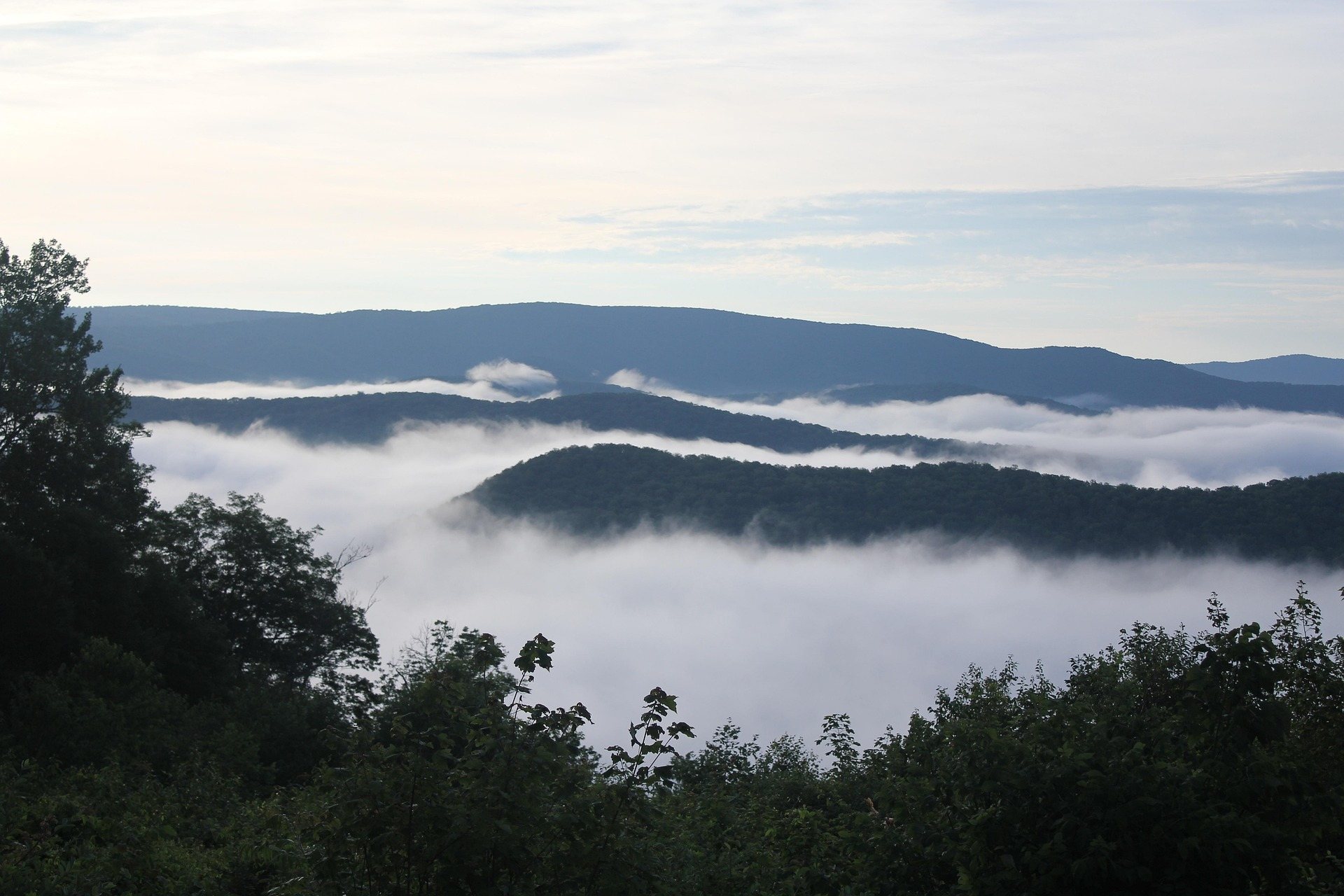
Sutton Dam holds back the Elk in Braxton County, and the water it lets out is cold. That is the whole reason the fishery exists. Below the dam the river runs cold and clear year-round, which few rivers in this state manage in August, and its trout are wild and holdover browns rather than a population trucked in and caught out by July. Elk River fly fishing in West Virginia starts here, in the water immediately downstream of the dam, and most of what makes the river worth a long drive sits inside that stretch.
The trade-off is that a flood-control dam is operated for flood control. The reservoir level above it moves with those operations, and the release below moves with them. The single most useful habit on this river is to check the dam release schedule before wading. Water that was knee-deep in the morning can be pushing at your thighs by afternoon, and a tailwater gives little warning that it is rising. The Army Corps district office publishes reservoir levels, and that is the number to look at before you load the truck.
The catch-and-release section
The catch-and-release section below Sutton is the marquee water on the Elk and the reason anglers in several states know the river by name. It holds wild browns. Fish that get released instead of removed grow older and harder to fool, which is the point of the regulation and also why this is intermediate water, not a place to learn to cast. WVDNR sets those regulations, publishes them at wvdnr.gov/fishing and changes them from time to time. Read the current rules for the stretch you intend to fish rather than trusting what someone told you last season.
Approach matters more here than fly choice. The tailwater runs clear, the fish see everything, and an angler shoving a wake up through a pool has finished with that pool before making a cast. Work upstream, stay low and leave other people water — this is a narrow river and a well-known section, and it gets shared. Trout Unlimited's Mountaineer and Blennerhassett chapters do the conservation and access work on West Virginia trout water, and they are worth joining by anyone who fishes the state more than once a year.
The sulphur hatch, and the rest of the year
The Elk's signature hatch is a sulphur, and it is the one event on this river people plan a trip around. It pulls anglers in from several states, which on a river in the emptiest region of West Virginia says enough. What nobody can honestly hand you is a date. No agency that manages this water publishes a hatch calendar, and emergence moves with water temperature from year to year, so ask at a fly shop or call ahead rather than driving half a day on a guess and arriving a week early or a week late.
Outside the hatch the Elk fishes on the terms any cold tailwater does. Nymphs move fish when nothing is showing on the surface, and the browns feed through months when nearby freestone streams are too warm to fish responsibly, because the temperature coming out of the dam does not swing the way an open stream's does. The state's fly fishing season runs March through November, and the Elk tailwater is one of the few places in West Virginia genuinely worth fishing at both ends of that window rather than only in the middle of it.
Smallmouth water downstream
The Elk does not stay cold. Running west it warms, and the trout give way to smallmouth bass in what is outstanding smallmouth water and almost nobody's destination. Downstream of Clay the smallmouth fishing is excellent and lightly pressured, which is an unusual pair of words to find attached to the same river as an established trout reputation. The upper river gets the visitors and the magazine mentions. The lower river gets whoever thought to keep driving, and in a summer month that is the better half of the deal.
Smallmouth also change how you fish the river. Bigger flies, a heavier rod than the tailwater asks for and a summer schedule rather than a spring one, since the warm months that make trout water marginal are exactly when this reach comes good. It is water to cover by boat rather than on foot. The lower Elk runs through some of the emptiest country in the state, with long gaps between services, so a canoe and a worked-out shuttle plan matter more to the day than anything in the fly box.
Access, and what the agency publishes
Access is the honest weak point of Elk River fly fishing in West Virginia, better understood before the drive than during it. WVDNR lists the upper Elk among its stocked trout waters, so public bank access exists, but the agency publishes individual access sites only through its interactive map rather than as a list you can print. There is no tidy inventory of pull-offs. Plan on the map, on bridges and on asking, and expect to spend part of a first day here working out where you can legally stand.
Upstream is a different river. Above Elk Springs the Elk loses its flow underground in limestone, which is why American Whitewater calls its top reach the Dry Bed of the Elk and why the Slatyfork section is not reliably runnable — or, for an angler, not reliably there. From Elk Springs down through Bergoo and Webster Springs the paddling reaches run Class II–III, with endpoints at Slatyfork on US 219, the Elk Springs hatchery, Webster Springs and the County Route 7 bridge. Facilities and fees at those points are not published.
Downstream, a rail-trail corridor follows the river closely between Clendenin and Gassaway — a planned 73 miles, opening in sections — and where it is open it is the easiest bank and boat access on the Elk. The trail office is at 12 Buffalo Creek Road in Clay and the corridor is open 24 hours. It is also remote, with long stretches between services, which is a fishing consideration as much as a walking one: nothing waits at the far end of the day to sell you flies, water or a sandwich.
Season and levels for Elk River fly fishing in West Virginia
Fly fishing in this state runs March through November and is rated intermediate water, which fits the Elk exactly: current, slick rock and fish that have seen flies before. The tailwater's advantage is that its temperature does not collapse into summer the way a rain-fed stream's does, so it stays worth fishing when they stop being worth it. Check USGS river levels before you drive. A gauge reading tells you whether a stream is fishable in a way no weather forecast can, and the County Route 7 bridge site upstream carries a gauging station of its own.
From June through September the water below the dam also carries floaters. It is Class I–II tubing water, cold at the top and pleasant further down, and everyone on it is self-supported, because commercial support along that stretch is thin to nonexistent. Floaters are told plainly that the upper end is trophy trout water and to give anglers room, and the courtesy runs both directions. The other half of that same caution belongs to anyone standing in the current: dam releases change this river fast. Know the schedule and keep half an eye on the bank.
If the river is high or the pullout is full
High water is the usual reason a trip here comes apart, and the alternatives are close. Holly River State Park, over in Webster County, has trout stocked in Left Fork and a narrow valley full of small water that fishes when a big river will not. Kumbrabow State Forest, the highest state forest in West Virginia at 9,474 acres, holds native brook trout in Mill Creek — light tackle and small flies, and almost no one else there. Its access roads are gravel and can be rough, so allow for the driving rather than the fishing.
If the water is fine and only the parking has failed, move downstream instead of sideways. The smallmouth reaches see a fraction of the attention the catch-and-release section gets, and the driving between them is the cheapest thing you will spend all day. Sutton Lake sits above the dam for anyone in the party who would rather be on flatwater: 1,440 acres of Corps reservoir with campgrounds at Bee Run and Gerald Freeman, holding bass, muskie and catfish, its level moving with the same flood control operations that move the river below.
Reach people planning this trip
Placement alongside guides for outfitters, guides, shops and lodging.
List your business hereQuestions
Where is the catch-and-release water on the Elk River?
When is the sulphur hatch on the Elk River?
Can you fly fish the Elk River in summer?
Is there smallmouth fishing on the Elk River?
Where can I get to the river?
Do I really need to check the dam release schedule?
Read next
 Destination · Mountain Lakes
Things to Do in Sutton, West Virginia
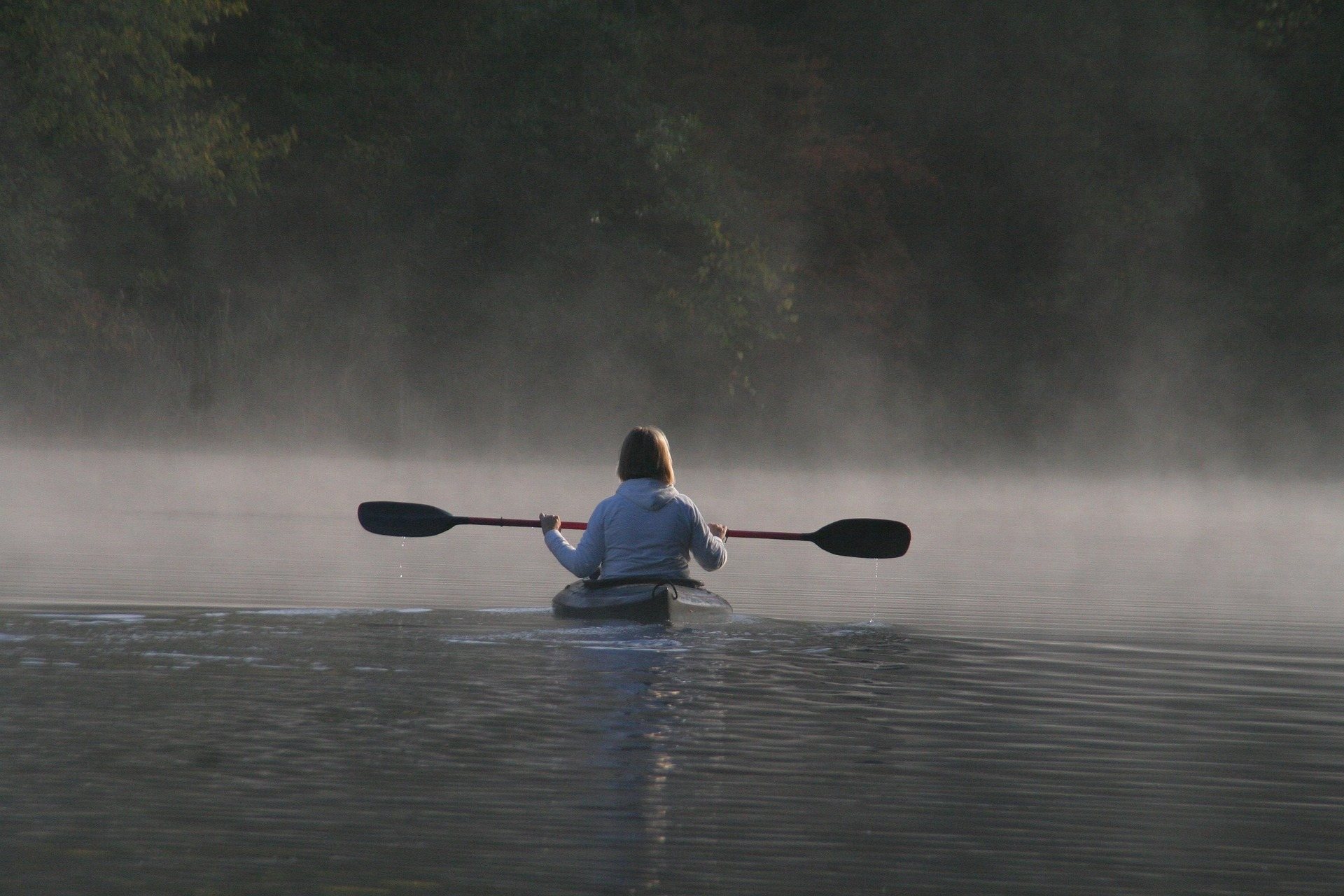
Paddling, cold-water trout fishing, summer floats, rail-trail miles and the parks and forests around Sutton, at the geographic center of West Virginia.
9 min read
Best of · Mountain Lakes
The Best Hikes in Holly River State Park
Potato Knob, Railroad Grade, Tramontane, Reverie and the accessible Laurel Fork loop, trail by trail, with the lengths and ratings the park publishes.
9 min read · June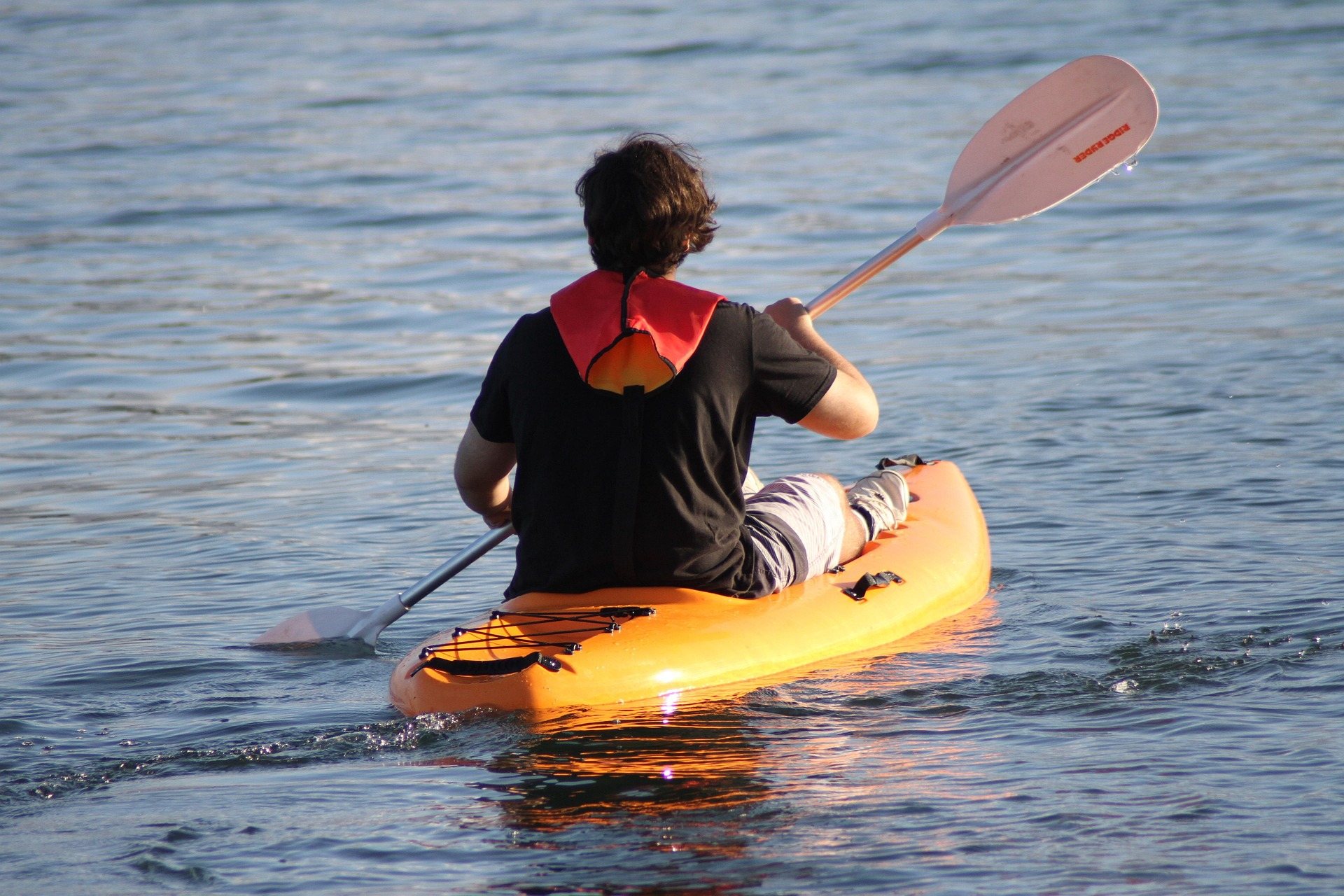 Destination · Mountain Lakes
Sutton Lake: Boating, Fishing and Camping
What the Corps manages at Sutton Lake, how the pool moves with flood control, where the two campgrounds are, and what the fishing holds.
7 min read · July