
Every organization we link to: local tourism offices, the state and federal agencies that manage the land, the nonprofits and clubs that keep access open, and the universities doing the research.
West Virginia has roughly 1.5 million acres of public land and a handful of places that carry almost all of the attention. The consequence is that a great deal of very good ground sits nearly empty, usually for one of three reasons: nobody has heard of it, the road in is gated or rough, or it is undeveloped and has nothing to advertise. Those are the places below — of them across regions.
Almost Heaven Swings
What the float records publish, and what they do not
Twelve tubing floats appear in these records, and every one of them carries a season window. Not one carries a water temperature. That is the first thing to be clear about: the answer to when the water gets warm is not a published number anywhere on this site, and inventing one would be worse than useless.
What the windows do give you is a consensus among the people who run these rivers. Nine of the twelve open in June. Three open in May. Eight close at the end of August and four run into September. Read as a group, that is a working season from roughly the start of summer to its end, with the edges depending on which river you pick.
Length is published for only four of the twelve floats, and an operator for only six. Both gaps matter more than the season question for anyone actually booking a day, and both are covered further down.
The three floats with May in the window
Three runs list May as their opening month. The Shenandoah River from Millville Dam to Harpers Ferry is 2.5 miles at Class I to II, run by River Riders, May through September. The Potomac River from Bakerton Road to Potomac Wayside is 5 miles at Class II-plus, also River Riders, May through September.
The third is the Coal River from Tornado to St Albans, Class I, May through September under the Coal River Group, and it comes with a caveat that decides trips: that run is listed for paddle craft rather than tubes. If tubing specifically is the plan, the Coal is not the early-season answer despite the calendar.
That leaves two genuine May tube floats in these records, the Shenandoah run and the Potomac run, both under the same operator. If you want a tube in the water in May, those are the published options.
June is when most of the list opens
Nine floats list June as their opening month, and they cover most of the geographic spread. The Greenbrier River runs from Fort Spring to Alderson, 2.5 miles at Class I with Greenbrier River Campground, and from Caldwell to Ronceverte at Class I with no operator published. The Cacapon River above Largent to Stoney Creek is Class I to II with Cacapon River Outfitters.
The Cheat headwaters at Parsons is 2 miles at Class I to II with Blackwater Outdoor Adventures. The Middle Fork at Audra State Park, the South Branch Potomac through the Trough, the New River near Hinton and Sandstone, and Middle Island Creek all open in June, and none of them publishes an operator. The Elk River below Sutton also opens in June and runs a month longer than most.
Nine sources landing on the same month is a real signal even without a thermometer behind it. If you are picking a first weekend without a river in mind, June is when the published list stops being a short one.
Where the season runs into September
Four floats extend past August. The Shenandoah, the Potomac and the Coal all run May through September, and the Elk River below Sutton runs June through September at Class I to II with no operator published. Everything else in these records closes its window at the end of August.
That asymmetry is worth planning around. Late August is the point at which two-thirds of the published options stop, and a September trip narrows to a handful of specific runs on specific rivers rather than a general choice.
The records do not say why any window opens or closes when it does, and this site is not going to assign a reason. Water temperature, flow, staffing and demand all plausibly bear on it, and none of them is documented here.
Class ratings and what a warm day is worth
Season is one variable and difficulty is the other. Four floats are rated Class I: both Greenbrier runs, the Coal, and Middle Island Creek. Most of the rest are Class I to II, including the Cacapon, the Shenandoah, the Cheat headwaters, the Middle Fork, the South Branch through the Trough, the New near Hinton and Sandstone, and the Elk below Sutton.
One float sits above the others. The Potomac from Bakerton Road to Potomac Wayside is Class II-plus across 5 miles, the longest published length and the hardest published rating on the list. Warm water does not make that an entry-level float, and it is the one run here where the rating deserves more weight than the calendar.
For a first tube trip with children, the Class I runs are the ones the records describe most gently, though nothing published here rates any float by age or ability.
Who to ask about temperature and levels
Five operators are named across these twelve floats: Greenbrier River Campground on the Fort Spring to Alderson run, Cacapon River Outfitters above Largent, River Riders on both the Shenandoah and the Potomac, Blackwater Outdoor Adventures at the Cheat headwaters, and the Coal River Group on the Coal. Those are the people who can tell you what the water is doing this week.
Six floats publish no operator at all: the Greenbrier from Caldwell to Ronceverte, the Middle Fork at Audra State Park, the South Branch through the Trough, the New near Hinton and Sandstone, the Elk below Sutton, and Middle Island Creek. For those, the season window is all these records support, and shuttle, rental and put-in access have to be worked out locally. Audra State Park is a state park, so the West Virginia State Parks system is the place to start on the Middle Fork.
No float here publishes a fee, a shuttle time, a gauge reading or a minimum flow. Call the named operator where there is one, and treat the month range as the outer boundary of a season rather than a promise about any particular day.
Reach people planning this trip
Placement alongside guides for outfitters, guides, shops and lodging.
List your business hereQuestions
when does tubing season start in west virginia?
how warm is the water for tubing in west virginia?
when does tubing season end in west virginia?
can you tube the coal river in west virginia?
Read next
 Best of
River Tubing in West Virginia
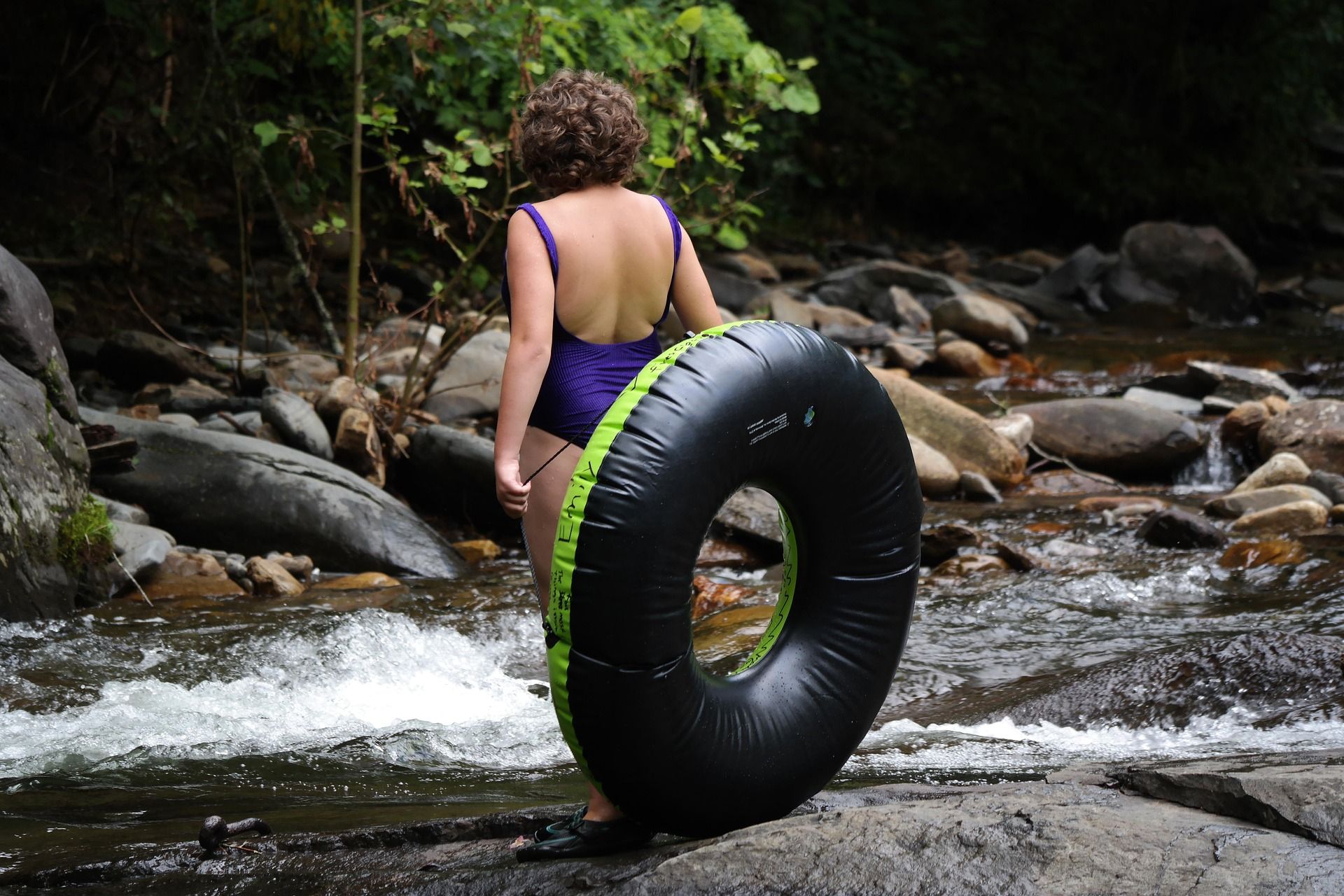
Where to go river tubing in West Virginia: the Greenbrier, Cacapon, Shenandoah and Cheat, with float lengths, outfitters, season and reaches to avoid.
9 min read · July
Guide · Eastern Panhandle
Tubing the Shenandoah River in West Virginia
The 2.5-mile Millville Dam float, minimum ages, season pass hours, the Class II+ Potomac alternative, and the parking problem at Harpers Ferry.
7 min read · July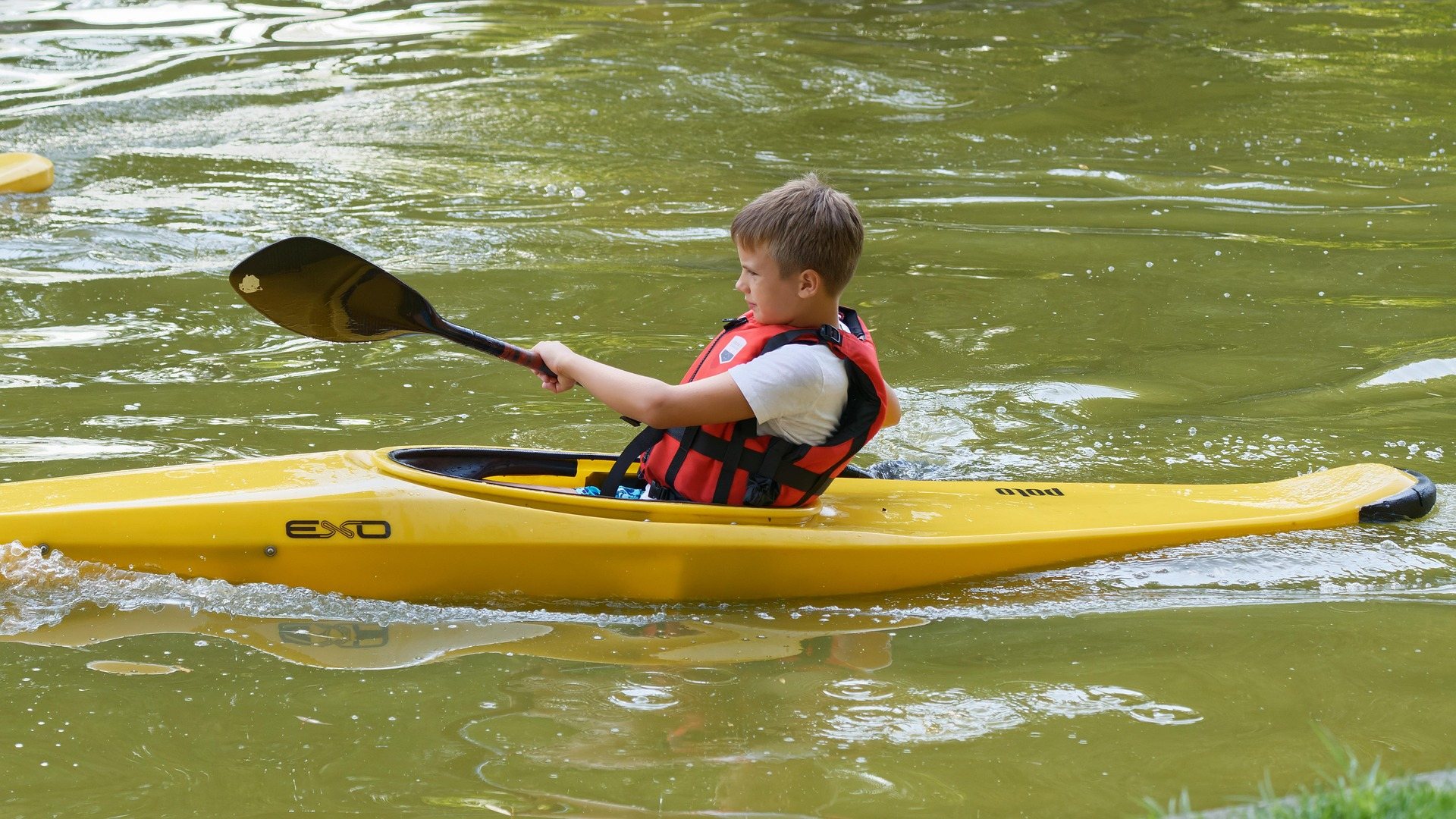 Guide · Greenbrier Valley
Canoeing and Kayaking the Greenbrier River
The reaches West Virginia State Parks lists on the Greenbrier, where the canoe access actually is, what the river is rated, and how shuttles work.
8 min read · June