
Every organization we link to: local tourism offices, the state and federal agencies that manage the land, the nonprofits and clubs that keep access open, and the universities doing the research.
West Virginia has roughly 1.5 million acres of public land and a handful of places that carry almost all of the attention. The consequence is that a great deal of very good ground sits nearly empty, usually for one of three reasons: nobody has heard of it, the road in is gated or rough, or it is undeveloped and has nothing to advertise. Those are the places below — of them across regions.
Almost Heaven Swings
Why this is hard to research
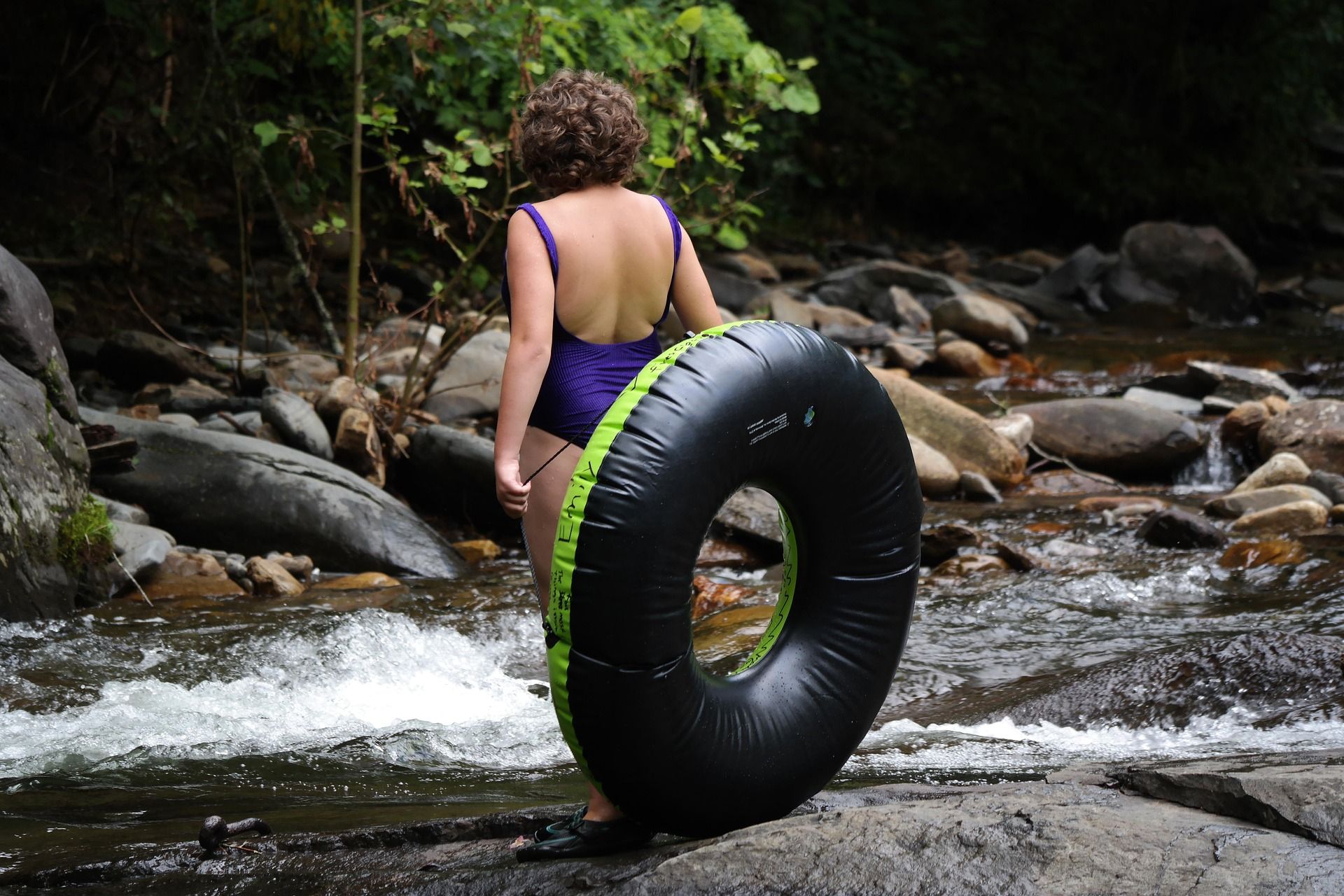
Commercial rafting in West Virginia is a mature industry with published schedules, safety standards and marketing budgets. Tubing is not. Most floats are locals with their own tubes and two cars, and the small number of outfitters that do run shuttles are seasonal, family-run, and easy to catch on a web page that has not been touched in years.
That matters when you are planning: several businesses that still appear in tubing round-ups are no longer reachable. Where that is the case below, we say so. Call before you drive.
The Greenbrier is the best, and the least publicised
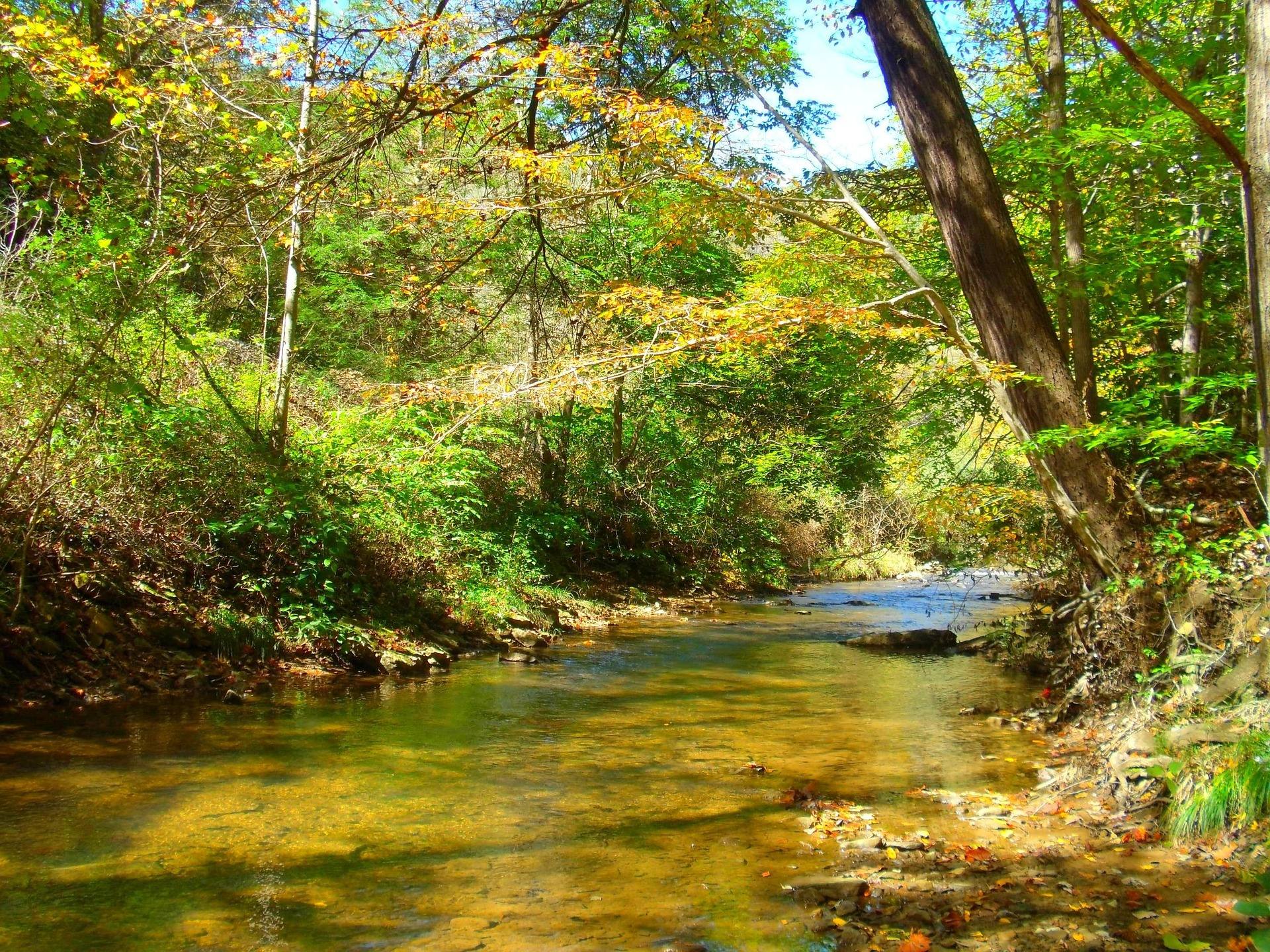
The Greenbrier River between Caldwell and Alderson is the best tubing water in the state. It is wide, shallow, warm and slow, running through farmland and limestone bluffs, and the Greenbrier River Trail runs alongside it — which solves the shuttle problem if you have a bike.
Greenbrier River Campground at Alderson runs the one confirmed commercial tube float on the river: Fort Spring down to the campground, about 2.5 miles, two to three hours, with a minimum of 7 years, 50 pounds and 4 feet. Above Alderson, around Caldwell and Ronceverte, is the local float, with WVDNR-published access points and mileages but no tube shuttle.
The catch is late summer. By August the Greenbrier gets thin and a float turns into a walk. Check the gauge before you commit to the drive.
Harpers Ferry: the most developed, and two very different trips
The Eastern Panhandle has the only genuinely commercial tubing operation in the state, and it runs two products that should not be confused.
The flatwater float goes from Millville Dam down the Shenandoah, about 2.5 miles in one and a half to three hours, self-guided, coolers allowed, minimum age 4 and 30 pounds. It is the right choice for families and anyone nervous.
The whitewater float is a different thing entirely: five miles on the Potomac from Bakerton Road to the Potomac Wayside, through the water gap and the White Horse rapids, with a minimum age of ten to twelve and roughly five feet of height. Life jackets are mandatory throughout and there is a safety briefing before launch. Season runs May through September. Note that these floats cross into Maryland and Virginia water, so it is not a wholly West Virginian trip.
The quiet ones
The Cacapon in Morgan and Hampshire counties is the other good tubing river, with almost no traffic on it. Cacapon River Outfitters runs a long float from above Largent Bridge down to Stoney Creek — four to six hours, from around $35 a tube. Start early and carry more water than you think you need.
At Parsons, where the Black Fork, Shavers Fork and Dry Fork come together, Blackwater Outdoor Adventures runs a short cold float: two miles, one to two hours, $24 adult and $20 for children ten and under, with a cooler carrier for $16. Note carefully that Cheat River tubing happens at Parsons, not at Albright — the Albright reach is serious whitewater.
Middle Island Creek in Doddridge and Tyler counties is the longest creek in the state and loops through enormous slow bends. Almost nobody floats it, so it is usually empty. Early summer only; by August it is a wade.
Where not to tube
WVDNR warns specifically against tubing the New River near Hinton and Sandstone. The water looks placid and the current is much stronger than it appears, with Sandstone Falls downstream. Float it in a canoe or on a raft instead.
The Gauley below Summersville, the Williams and the Cranberry are all unsuitable. So is the Cheat at Albright. On the Coal River near Charleston the water is right but the local outfitter rents paddle craft only, not tubes.
Two operators that appear on tubing lists could not be confirmed as currently trading: the tube rental at Audra State Park on the Middle Fork, and any operator on the South Branch Potomac through the Trough. Both are good water. Treat them as bring-your-own and arrange your own shuttle.
Practical rules
Season is set by water temperature, not the calendar — roughly June into August on most rivers, May through September at Harpers Ferry, and later on the cold highland headwaters. Glass and disposable containers are prohibited or discouraged on most managed sections; assume no glass anywhere. Alcohol rules differ between state parks, federal water and private land.
Life jackets are supplied and required by every commercial operator here, and West Virginia boating rules still apply on a self-supported float, with specific requirements for children. Check current WVDNR regulations before you launch.
Reach people planning this trip
Placement alongside guides for outfitters, guides, shops and lodging.
List your business hereQuestions
Where is the best tubing in West Virginia?
When is tubing season in West Virginia?
Can you tube the New River?
Do you need a life jacket to go tubing?
Read next
 Best of
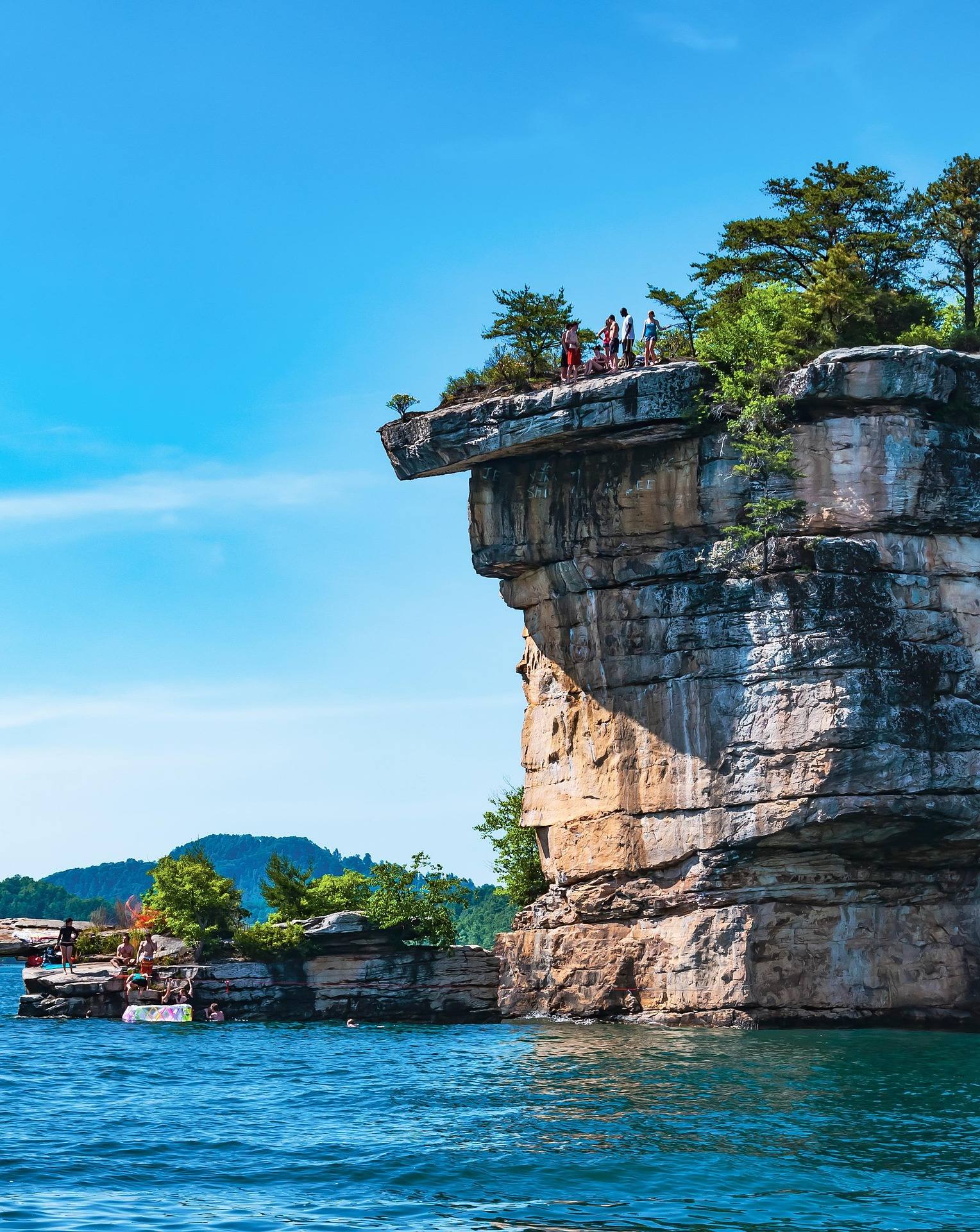
The Best Swimming Holes in West Virginia
West Virginia swimming holes and lake beaches, from Summersville Lake to CCC-built Blue Bend, with notes on the cliff-jumping risks.
7 min read · July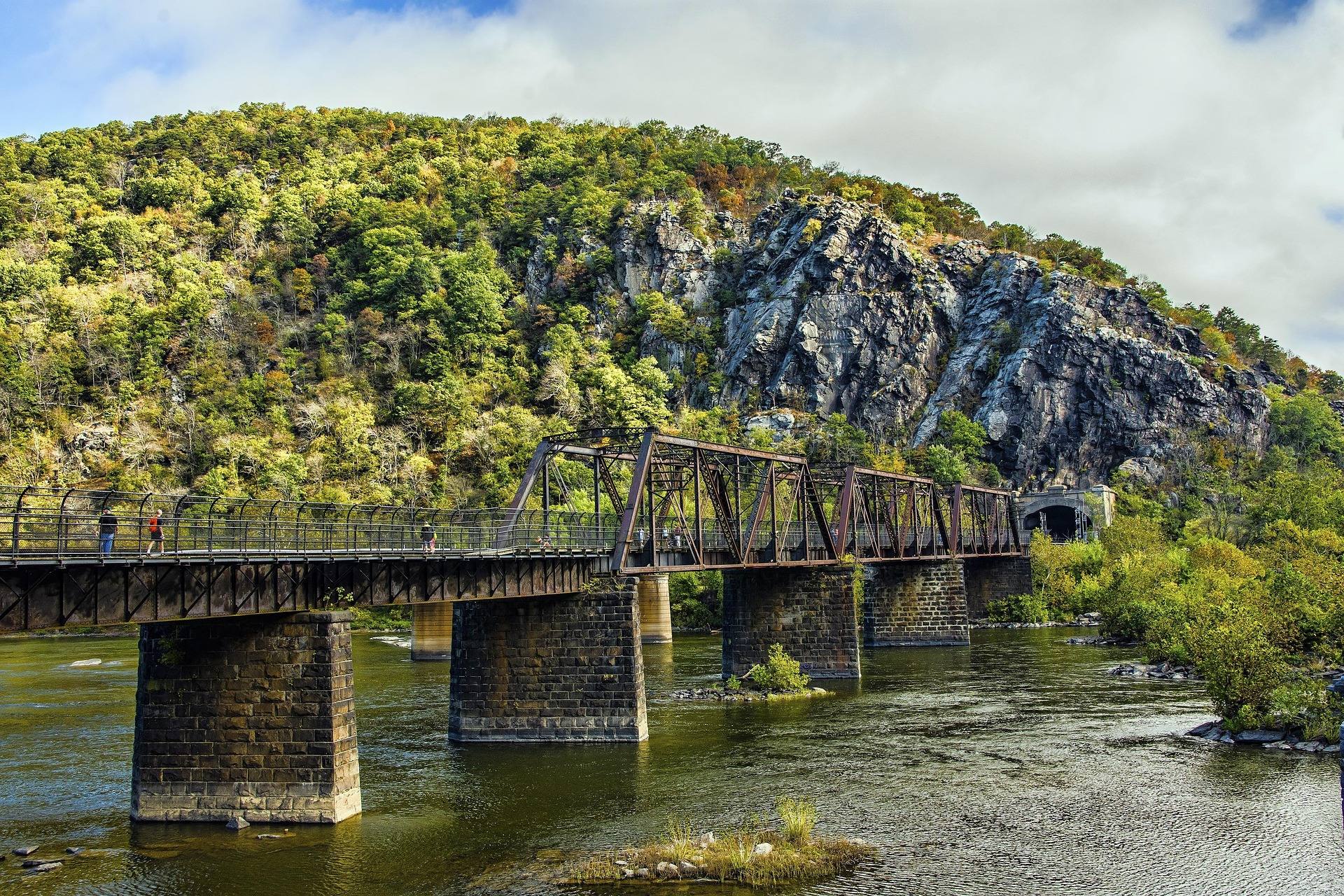 Destination · Eastern Panhandle
Things to Do in Harpers Ferry
A guide to Harpers Ferry, West Virginia: the historic Lower Town, the best hikes and overlooks, tubing and rafting, the Appalachian Trail and where to start.
8 min read Destination · Greenbrier Valley
The Greenbrier River Trail
A guide to the Greenbrier River Trail: trailheads, camping, bikepacking it end to end, tubing alongside it, and the best sections for a day out.
8 min read