
Every organization we link to: local tourism offices, the state and federal agencies that manage the land, the nonprofits and clubs that keep access open, and the universities doing the research.
West Virginia has roughly 1.5 million acres of public land and a handful of places that carry almost all of the attention. The consequence is that a great deal of very good ground sits nearly empty, usually for one of three reasons: nobody has heard of it, the road in is gated or rough, or it is undeveloped and has nothing to advertise. Those are the places below — of them across regions.
Almost Heaven Swings
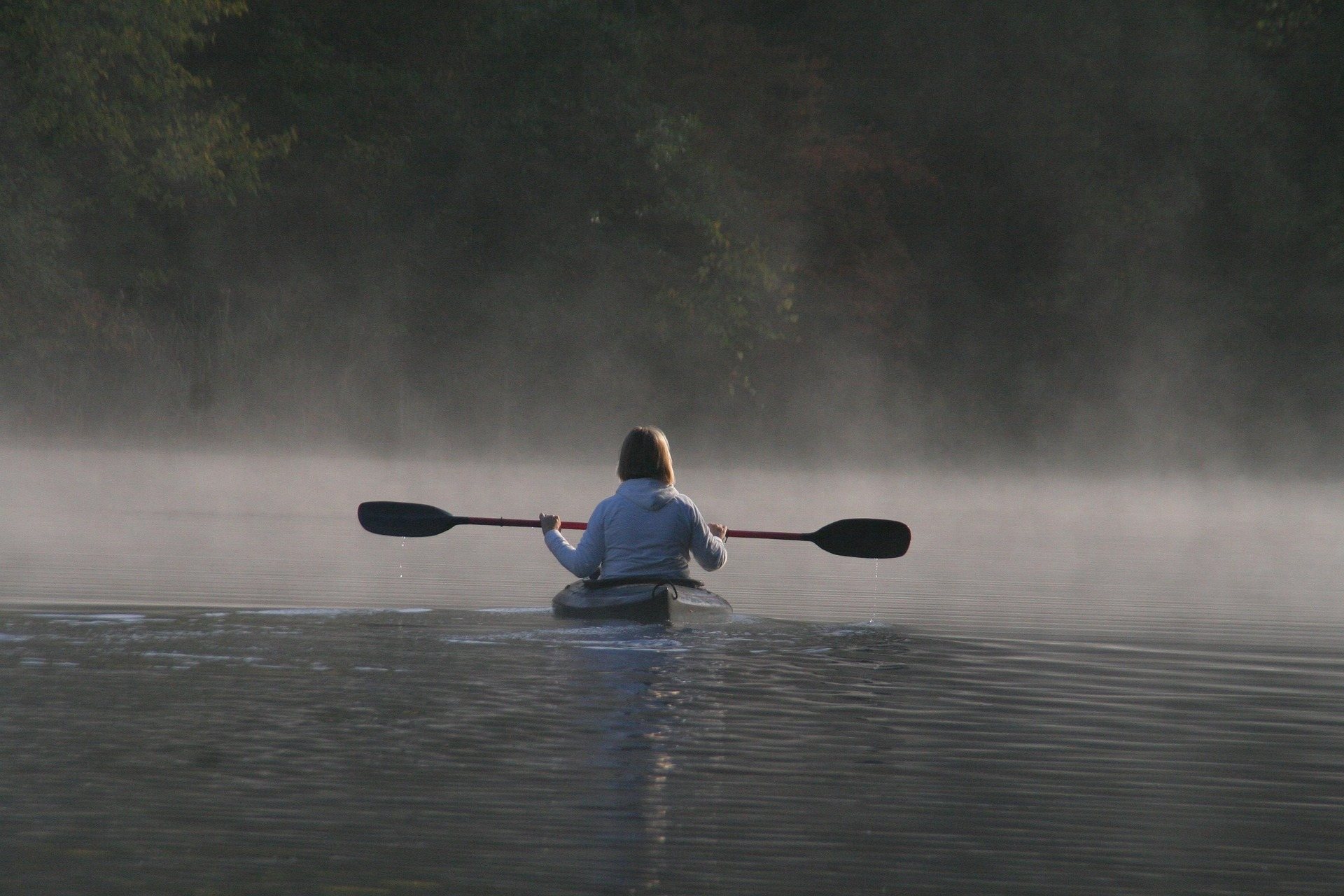
The lake behind the dam
Tygart Lake State Park sits on the shoreline of a reservoir near Grafton, on water impounded by a Corps of Engineers dam that was completed in 1938. The lake covers 1,750 acres. The shoreline is steep and wooded, which is the detail that shapes almost everything about a visit: there is not much flat ground between the water and the ridge, the coves are deep-sided rather than marshy, and access to the water is concentrated at the places the park has built rather than spread out along the bank. Getting on the water here generally means a boat ramp, the marina, or the marked swimming area, not a walk down to a gravel bar.
The park carries a lodge, a marina, a campground and scuba diving, which is an unusual combination for a state park in this part of the country and the reason the place functions as a destination rather than a picnic stop. West Virginia State Parks manages the unit and publishes its rates, hours and season dates at wvstateparks.com. Nightly camping fees, lodge rates, marina rental prices and launch fees are not figures the brief carries, and they change by season, so check them with the park before you build a budget around them.
The fishery: walleye, bass and muskie
The park describes the lake as a walleye, bass and muskie fishery, and those three species point at three different ways to fish it. Walleye pull anglers to low light and deeper water. Bass work the structure along a steep shoreline, which on this lake means rock, timber and the sharp edges of the coves rather than weed beds. Muskie is a species you fish for on purpose, with heavy tackle and a long patience, and a lake with a muskie population is worth knowing about because there are not many of them within a short drive of the northern counties.
WVDNR administers licensing and regulations for all of it, and the license is the first thing to sort out — the agency runs one of the most extensive trout stocking programs in the East, and on stocked trout waters a trout stamp is required in addition to a fishing license. Anyone chasing stocked trout elsewhere in the state should know that WVDNR posts each day's stockings by the end of that business day and does not release the schedule in advance. The marquee trout rivers are the Elk, Cranberry, Williams and Cherry, which is a different kind of trip than a reservoir day.
Fishing in West Virginia is a year-round activity, and a reservoir extends the season at both ends of the calendar better than a mountain stream does. The steep shoreline is the practical constraint for anyone without a boat: bank access is limited to what the park has developed, so a rented fishing boat from the marina is often the difference between covering water and casting from the same twenty feet of rock all morning. Bank anglers do better here by moving between the developed access points than by settling in at one, and cold-weather visits have the additional advantage that the powerboat traffic that defines a June weekend is gone entirely, leaving the whole lake quiet.
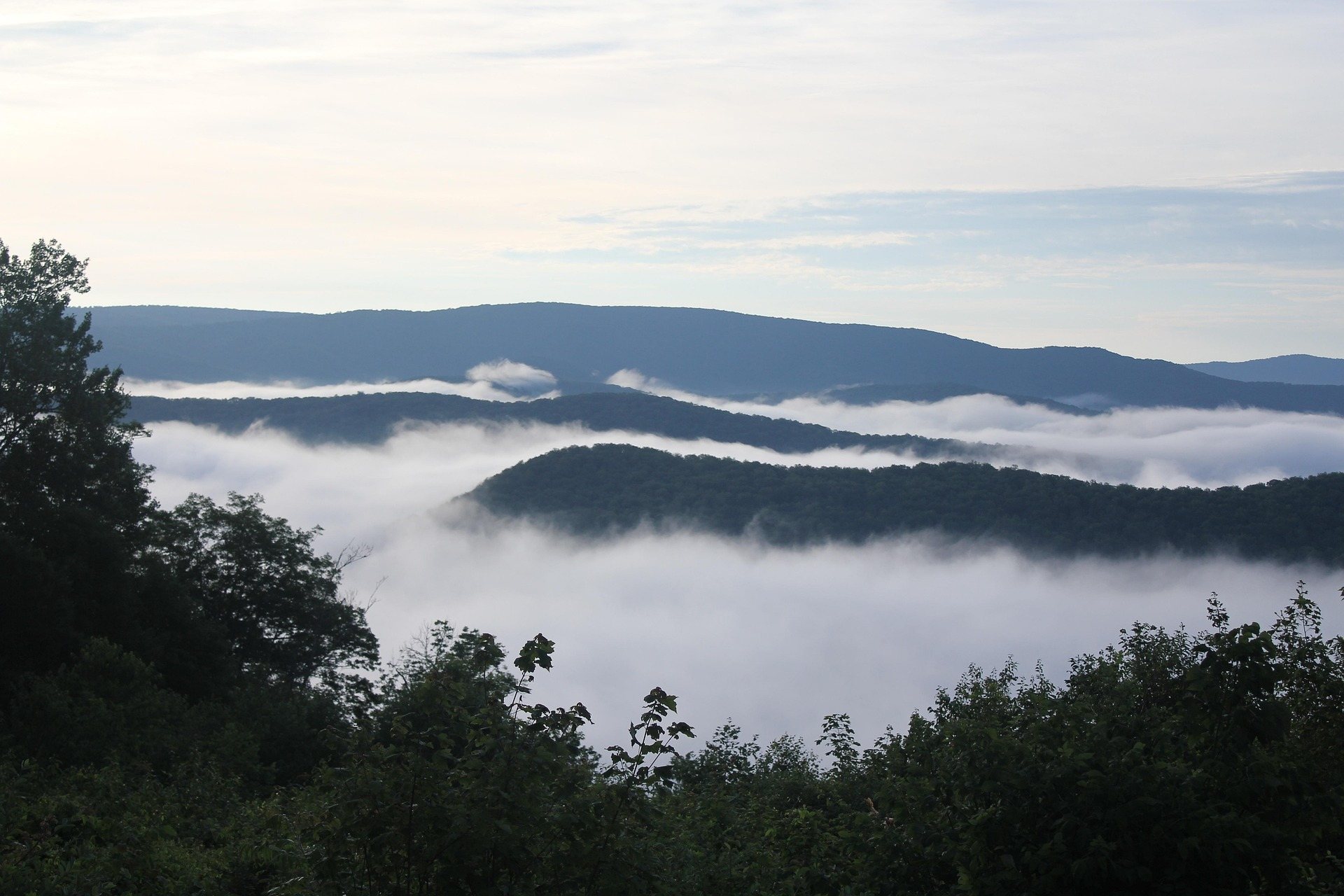
What Tygart Lake State Park publishes about boating
The park's own summary of the lake is useful and short: 1,750 acres, unlimited horsepower with no-wake zones, and a swimming area marked on the park map. Unlimited horsepower means this is a ski and powerboat lake as well as a fishing lake, and it sets the tone for a summer weekend — open water in the middle, wake, and a good deal of traffic on a June Saturday. The no-wake zones are the counterweight, and they are where paddlers, anglers and anyone in a small boat should plan to spend their time.
The marina rents boats seasonally, including pontoons and fishing boats, and runs lake cruises. That makes the park workable for people who arrive without a trailer, which is not true of most flatwater in the state. Season dates and rental rates come from the park rather than from us. Because rentals are seasonal, the shoulder months are the ones to confirm ahead: a warm weekend in spring or autumn does not guarantee that the pontoons are in the water. The lake cruises are the option for anyone who wants to see the reservoir and the dam from the water without operating a boat, and they are also the easiest thing to do here with people who are not going to fish, swim or paddle.
The campground
The campground has 36 campsites, 10 of them full hookup. That is a small campground by reservoir standards, and it is the single most important number for planning a summer trip here, because 36 sites with a lodge, a marina and a swimming area attached will not absorb a holiday weekend. The full-hookup sites are the first to go. If you are bringing a trailer and want a full hookup, treat that as a reservation to make early rather than a thing to sort out on the drive up. The sites without hookups are the ones with any real chance of late availability, and a tent camper has better odds here in June than a large rig does.
Camping and the lodge together are why the park works as a two- or three-night base rather than a day trip: you can fish early, put children in the swimming area in the afternoon, and not drive anywhere in between. Site-level details — which loops take which rig lengths, what the season dates are, what a night costs — are published by West Virginia State Parks rather than reproduced here, and the agency's page is the only source worth trusting on them. Book the site and the boat at the same time if you want both, since the marina season and the camping season are not guaranteed to line up on the edges of summer.
Swimming, paddling and diving
The swimming area is marked on the park map, which is the useful form of that information on a lake with unlimited-horsepower boat traffic: swim inside the marked water and nowhere else. Reservoir water warms slowly in spring and holds warmth into September, so the swimming season runs later here than in the cold mountain rivers to the south, where the water stays uncomfortable most of the summer. The steep, wooded shoreline also means shade arrives early on the water in the coves. Everything else about a swim day here — the season the beach area opens, whether a lifeguard is on duty — comes from the park rather than from a schedule published in advance.
Flatwater paddling, stand-up paddleboarding and sailing all work on this lake, and the deep-sided coves are the interesting paddling — quieter than the main body and out of the way of the wake. Wind builds on open water as the day heats up, so a long crossing is a morning proposition on any large reservoir. Scuba diving is part of what the park offers, which is rare enough on West Virginia water to be the reason some visitors come at all; the park is the place to ask what the current conditions and requirements are.
Where else to go from here
Hiking is on the park's list of activities, but the agency does not publish trail mileages or elevation gain for the trails at Tygart Lake State Park, so plan the walking as an add-on to a water day rather than as the reason for the trip. If you want a hike with a destination at the end of it, Valley Falls State Park to the north covers 1,145 acres on the Tygart Valley River, where the river steps down over ledges — the rocks near those falls are slick and the current is stronger than it looks, so that stop is a photography stop, not a wading one.
For a second swimming option with a very different character, Audra State Park is a compact 355 acres on the Middle Fork River, with a boulder-strewn swimming area, a campground and the Alum Cave rock shelter above the water. The water there is cold and the river bottom is rounded boulders, the opposite experience from a warm reservoir with a marked swimming area. Audra also sits on a Class I–II tubing reach that runs June through August, though the park's tube rental could not be confirmed as still operating — call before counting on it.
Reach people planning this trip
Placement alongside guides for outfitters, guides, shops and lodging.
List your business hereQuestions
How big is Tygart Lake?
What fish are in Tygart Lake?
How many campsites does Tygart Lake State Park have?
Can you rent a boat at Tygart Lake?
Are there horsepower limits on Tygart Lake?
Is there swimming at Tygart Lake State Park?
Read next
 Best of
The Best Fishing Spots in West Virginia
Where to fish in West Virginia: trophy trout tailwaters, native brook trout streams, smallmouth rivers, muskie water and how stocking works.
10 min read · April Best of · Mountaineer Country
The Best Hikes at Coopers Rock State Forest
All six Coopers Rock trails with the state's own mileages and ratings, where each one starts, and which walk replaces the closed overlook.
8 min read · October
Destination · Mountaineer Country
Things to Do Outdoors in Morgantown, West Virginia
A survey of what a Morgantown base actually reaches: 48 miles of rail-trail, a 12,747-acre forest, Cheat Lake, new singletrack and the Cheat itself.
9 min read