
Every organization we link to: local tourism offices, the state and federal agencies that manage the land, the nonprofits and clubs that keep access open, and the universities doing the research.
West Virginia has roughly 1.5 million acres of public land and a handful of places that carry almost all of the attention. The consequence is that a great deal of very good ground sits nearly empty, usually for one of three reasons: nobody has heard of it, the road in is gated or rough, or it is undeveloped and has nothing to advertise. Those are the places below — of them across regions.
Almost Heaven Swings
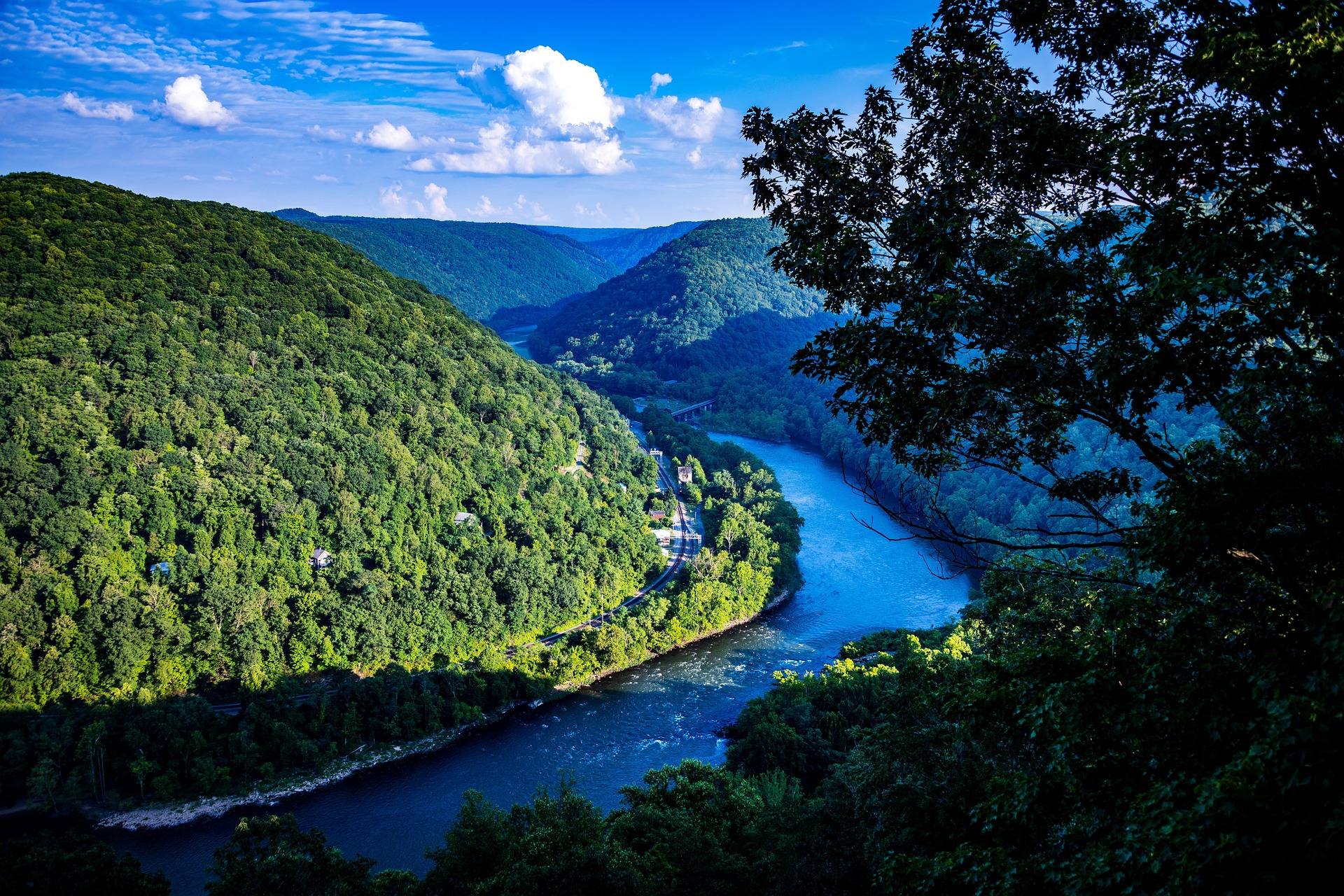
What people mean by the Lower New
The Lower New River is the commercial rafting heart of West Virginia. It is Class III-IV big-volume water running through the deepest part of the New River Gorge, and it is the trip most first-time rafters in the state end up taking.
Upstream, the Upper New above Thurmond is a different river to plan for: Class I-III, and suitable for families. If Class III-IV is more than your group wants, that alternative sits on the same river rather than in another county.
Big volume is the phrase that matters in the description. The rapids here are built out of water pushing against itself rather than out of technical rock moves, which is part of why the run tolerates first-timers in a guided boat.
Why this is the trip beginners get put on
Two things make the Lower New the default recommendation. The class rating sits at the top of what a guided beginner can handle in a paddle boat, and the water is warm during the months most people visit.
The combination is unusual. Plenty of rivers offer one or the other; the record's point is that on the Lower New in summer, a mistake in a rapid costs you a swim in warm water rather than a swim in cold release flow.
Forgiving is a comparison and not a guarantee. This is Class III-IV current in a deep gorge, and the named rapids are real drops. Wear what your outfitter tells you to wear and take the safety talk seriously.
Nothing in the record sets a minimum age, an experience requirement or a weight limit for commercial trips on this run. Those rules come from the outfitter, so ask before you assume your group qualifies.
The rapids people know by name
Surprise, Upper and Lower Railroad, Double Z, Greyhound and Fayette Station. Big-volume rapids on a river this size get remembered individually, and that is the list for this run.
Fayette Station is the final drop, directly beneath the bridge. Finishing a day under that span is the image most people take home from the trip.
No mileage for the run, put-in, take-out or trip duration appears in this record. Outfitters and the National Park Service, which manages New River Gorge National Park and Preserve, publish that detail.
Spring is a different river
Character swings hard with level. At summer flows the Lower New is warm and genuinely enjoyable big water; at spring flows the record calls it serious, and that is the word to plan around.
The flow numbers that separate one condition from the other are not published here, nor is a calendar for when the change happens. If you are booking outside summer, ask your outfitter what the river is doing that week.
Cold water is the other half of a spring trip. The summer temperature advantage over the Gauley is a summer advantage, and a swim in high spring water is a different problem in every respect.
Swimming and wading, with the current in mind
People are in the Lower New in July and August, and water temperature is the reason. It runs warm enough that getting in is an ordinary thing to do rather than a shock to the system.
The constraint is current, not temperature. Stay in pools and eddies well off the main flow, and treat any moving water in the gorge as Class III-IV until you have looked at it properly from the bank.
Fishing the gorge, and the access problem
Big, warm river water in West Virginia generally means smallmouth country. The record for the Lower New does not name species, though, so treat that as a regional pattern rather than a confirmed fact about this stretch.
Access is the real limitation. The Lower New is Class III-IV at the bottom of the deepest part of the gorge, so most fishing here happens from a boat. The calmer Upper New above Thurmond is the wading and bank alternative. WVDNR sets licensing and regulations.
Where the run sits inside the park
The gorge is cut roughly 1,000 feet deep through Nuttall sandstone, 53 miles of the river carry federal protection, and the area became New River Gorge National Park and Preserve in 2020. The rafting run happens inside that landscape.
The same cliff bands that make the gorge deep hold more than 1,600 climbing routes, and Gauley release season runs immediately north in autumn. No outfitter names, prices, shuttle details or camping options appear in this record; the National Park Service is who to ask.
Reach people planning this trip
Placement alongside guides for outfitters, guides, shops and lodging.
List your business hereQuestions
Is the Lower New River good for first-time rafting?
What class are the rapids on the Lower New River?
What are the named rapids on the Lower New River?
Can you swim in the New River in the gorge?
Read next
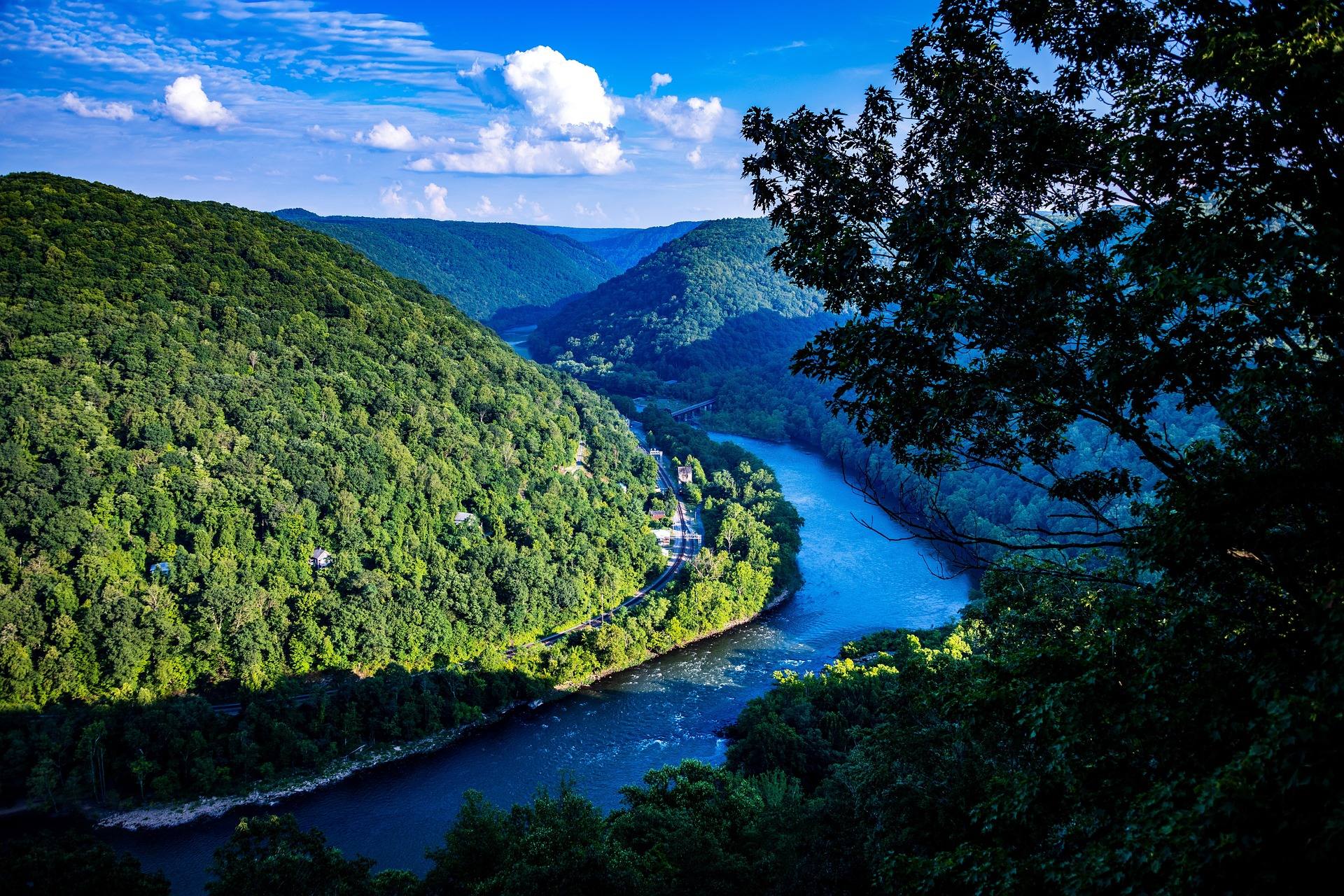 Itinerary · New River Gorge
A Perfect Weekend in the New River Gorge
A two-day New River Gorge itinerary that works: which hikes, which rafting section, where to eat and where to be at sunset, with drive times.
7 min read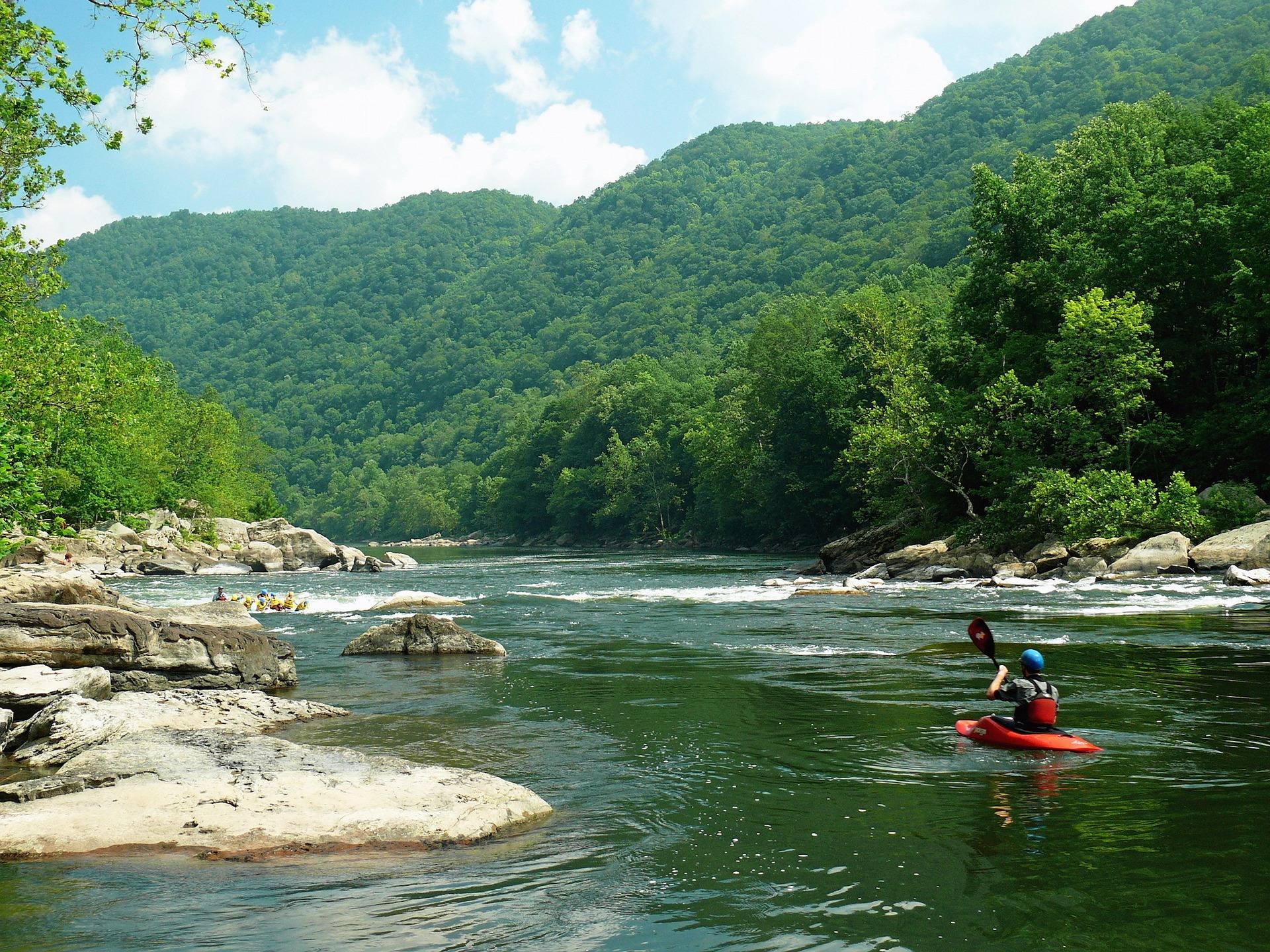 Destination · New River Gorge
Things to Do in Fayetteville, West Virginia
A local guide to Fayetteville, West Virginia: the best hikes and overlooks nearby, rafting and climbing outfitters, and why it is the best gorge base.
8 min read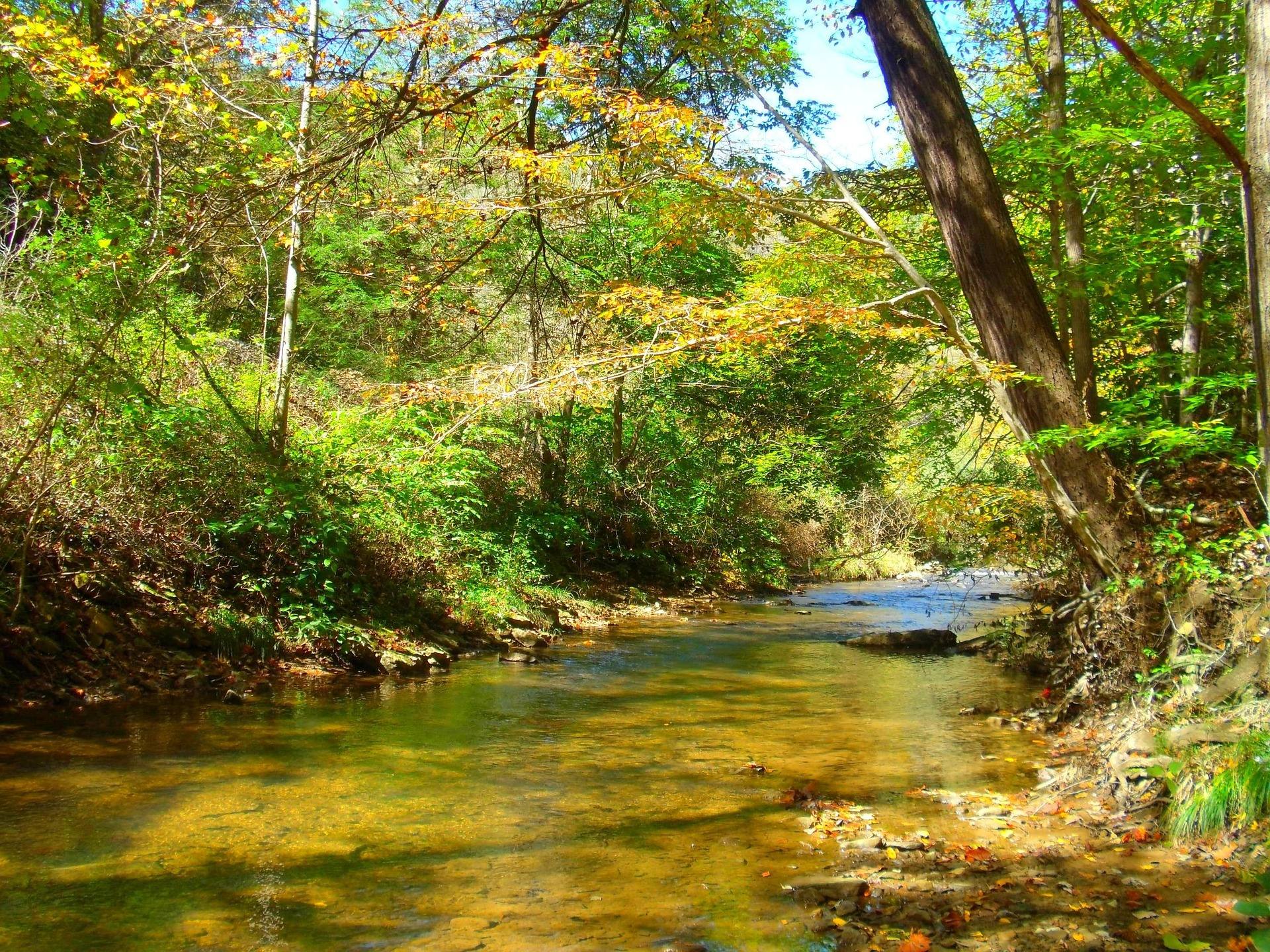 Guide · New River Gorge
Fishing the New River in West Virginia
Smallmouth water reach by reach from Bluestone Dam to Fayette Station: free park access points, shuttle limits, wading cautions and Kanawha Falls.
8 min read · June