
Every organization we link to: local tourism offices, the state and federal agencies that manage the land, the nonprofits and clubs that keep access open, and the universities doing the research.
West Virginia has roughly 1.5 million acres of public land and a handful of places that carry almost all of the attention. The consequence is that a great deal of very good ground sits nearly empty, usually for one of three reasons: nobody has heard of it, the road in is gated or rough, or it is undeveloped and has nothing to advertise. Those are the places below — of them across regions.
Almost Heaven Swings
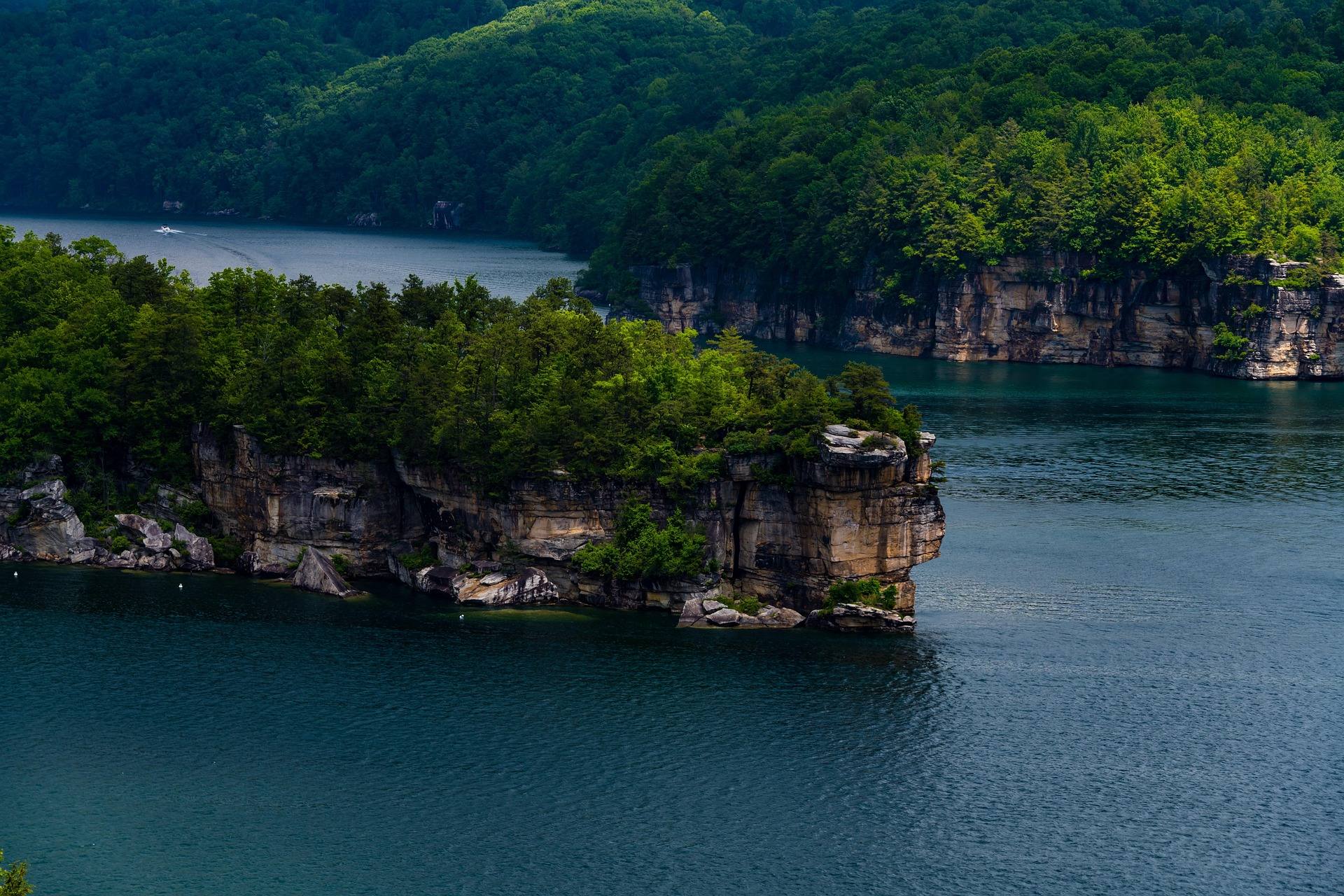
Two reservoirs that are not the same kind of place
Summersville Lake is the largest lake in West Virginia and by a wide margin its clearest: 2,700 acres of blue-green water in a sandstone basin, 327 feet at maximum depth. Shoreline cliffs at Long Point, Pirates Cove and Whippoorwill hold lakeside sport climbing and deep-water soloing, and access to some walls is by boat only.
Sutton Lake is a 1,440-acre Corps of Engineers reservoir on the Elk River in Braxton County, at the geographic center of the state and a short run off I-79. Its shape is a flooded river channel with side hollows backed up into quiet coves, and the dam that impounds it creates the Elk tailwater below, which this site calls the premier tailwater trout fishery in West Virginia.
Summersville is roughly twice the surface area, but character matters more. One is an open basin ringed by rock; the other is a branching lake where the coves are the destination. Either takes longer to reach than the map suggests: sixty road miles here can run two hours. US 19 is the artery for one, I-79 for the other.
What a day on the water feels like
Both lakes carry powerboat traffic. Summersville allows unlimited horsepower with no-wake and restricted zones, so fast water and protected water are separated by lines on a chart rather than by a blanket limit. Sutton's acreage and several campgrounds absorb powerboats without feeling tight, and the coves give you somewhere out of the traffic. For a family boat anchored all afternoon in a hollow, that beats surface area.
Paddlers get different rewards. Summersville offers clarity and cliff lines to paddle beneath, the standout paddleboard water in the state, though unrestricted horsepower means choosing your hours. Sutton offers side hollows away from the main body, quieter and safer when wind gets up.
Summersville also carries dinghy and small-keelboat sailing. Mountain wind is fluky and thermally driven, so afternoons are usually best, and sandstone walls bend whatever breeze arrives.
The boating rules are the same at both
Motorboats must be registered in West Virginia, and any operator born on or after December 31, 1986 needs a boater education certificate. Life jackets must be aboard for every person on any vessel, kayaks, canoes and paddleboards included. Ramps, registration and navigation rules run through WVDNR's boating program.
Horsepower limits vary by lake, and Summersville's is unlimited outside its no-wake and restricted zones, which is the most important thing to know before launching there. Water hurts more people in this state than anything else outdoors, so wear the life jacket rather than stow it, and inspect from the bank before swimming water you do not know.
Pool level is the variable that ruins trips
Summersville is drawn down each September to feed Gauley releases, and through the autumn for flood storage. That exposes beaches which do not exist in June, alters the cliff base, and can change which ramps are usable. Gauley Season release weekends begin the Friday after Labor Day, so the drawdown and the busiest weeks on the river arrive together.
Sutton's pool moves with Corps flood-control operations, and ramp usability follows. No fixed drawdown date is published for Sutton, which makes it unpredictable differently: Summersville's big change is scheduled, Sutton's is weather-driven.
One source covers both: the Corps of Engineers Huntington District publishes reservoir levels and the Gauley release schedule. Reading it before you hitch a trailer is the whole of the preparation required.
Free water, two booking systems
Neither lake charges for the water itself, but the shoreline is split between two landlords, and that decides cost and booking. Summersville Lake State Park opened on 177 acres of the north shore, and day use at any of West Virginia's 35 state parks is free by state code. Some federal day-use areas, Corps sites among them, charge a modest fee at the gate or by envelope, and the America the Beautiful pass covers federal day-use fees where they apply.
Camping splits the same way. Battle Run is the Corps campground on Summersville, and Bee Run and Gerald Freeman are the Corps campgrounds at Sutton; all three reserve on Recreation.gov. Summersville Lake State Park runs three campgrounds of its own, Overlook, Deer Run and Joe Branch, which reserve through the West Virginia State Parks system, generally up to a year ahead.
Settle which landlord you are aiming at before hunting for a site, because searching the wrong system will tell you a full lake is empty. Site counts, hookups and site lengths are not published for any campground at either lake, so confirm those with the managing office before towing an RV. Sutton's advantage for a big rig is the approach: I-79 rather than mountain switchbacks.
Fishing, the tailwater, and which lake to take
Sutton's record names its fish: bass, muskie and catfish, worked over a flooded channel with coves and points. Below the dam, the Elk tailwater is a separate and colder fishery created by the same reservoir, which gives you two waters for one drive. Summersville's record names nothing stocked; what it gives you is physics, 327 feet at maximum and clarity best in early summer before algae, which pushes fishing early, late or deep.
A license is required at 15 and older, with a trout stamp on stocked water, which the Elk tailwater makes relevant. WVDNR posts its stocking list by the end of each business day and runs a hotline on 304-558-3399, and special regulation waters carry their own rules posted at access points.
Take Summersville if the water itself is the attraction. Divers, paddleboarders, swimmers who want to see their feet and anyone climbing the walls at Long Point, Pirates Cove or Whippoorwill have no equivalent at Sutton. Swim where boats are excluded, given the depth and the horsepower.
Take Sutton if the weekend is about the boat and the camp: coves to anchor in, Corps campgrounds on the shore, named fish, a trout tailwater below the dam, and a highway approach that makes it a practical overnight. Two things the records still will not settle: ramp counts, and which marina or rental operators work each lake. Those calls go to the Corps of Engineers Huntington District, or the state park office for the north shore.
Reach people planning this trip
Placement alongside guides for outfitters, guides, shops and lodging.
List your business hereQuestions
Is Summersville Lake or Sutton Lake bigger?
Do I need a boating license or a life jacket at either lake?
When is Summersville Lake drawn down?
How do you book campsites at Summersville and Sutton?
Read next
Destination · New River Gorge
Summersville Lake
A guide to Summersville Lake: the clearest water in West Virginia, cliff jumping, scuba, deep-water soloing, boating and the Gauley connection.
7 min read · July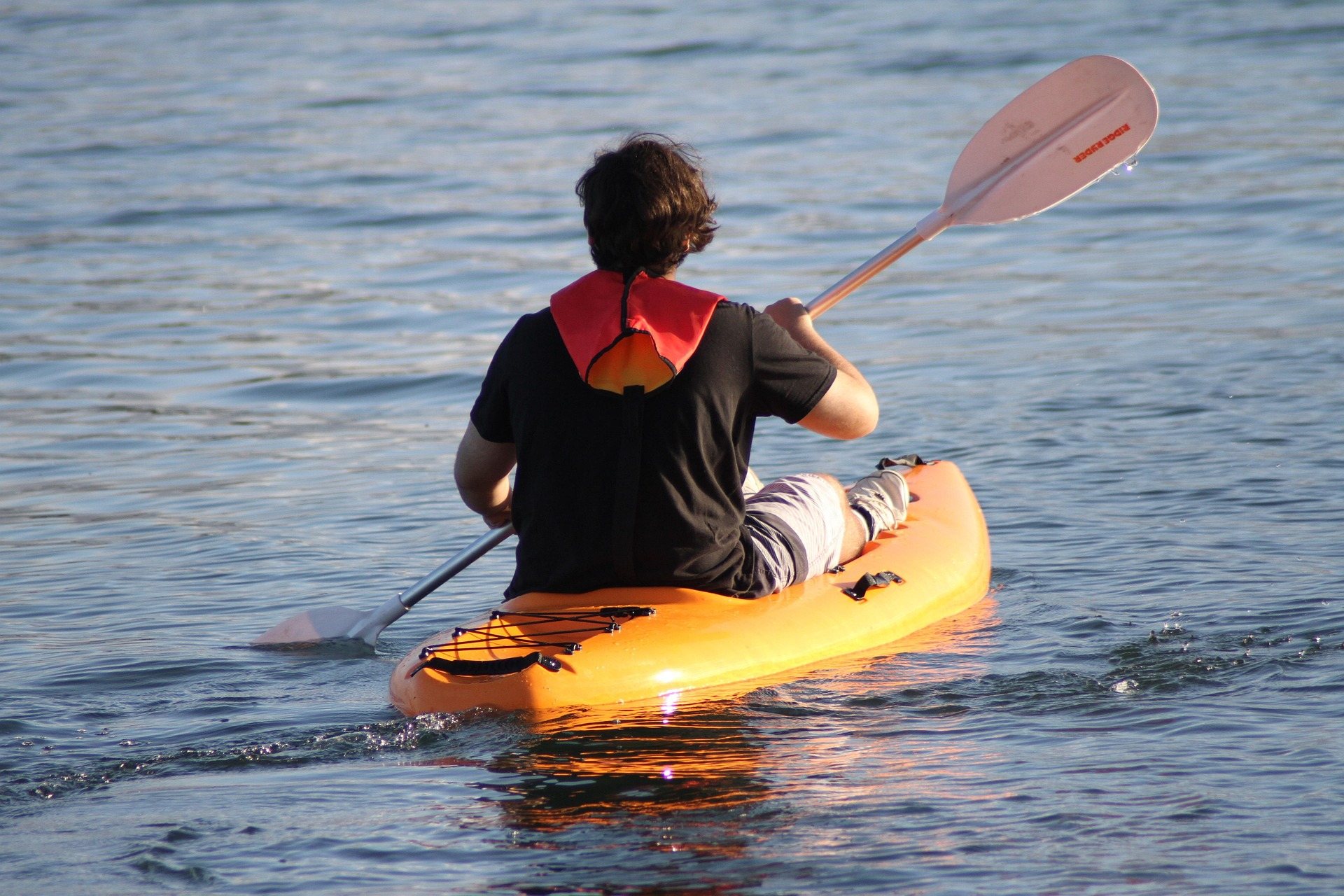 Destination · Mountain Lakes
Sutton Lake: Boating, Fishing and Camping
What the Corps manages at Sutton Lake, how the pool moves with flood control, where the two campgrounds are, and what the fishing holds.
7 min read · July Guide · Mountain Lakes
Fly Fishing the Elk River
The Elk's cold tailwater below Sutton Dam, its wild browns and catch-and-release water, the sulphur hatch, smallmouth downstream and how to find access.
9 min read · May