
Every organization we link to: local tourism offices, the state and federal agencies that manage the land, the nonprofits and clubs that keep access open, and the universities doing the research.
West Virginia has roughly 1.5 million acres of public land and a handful of places that carry almost all of the attention. The consequence is that a great deal of very good ground sits nearly empty, usually for one of three reasons: nobody has heard of it, the road in is gated or rough, or it is undeveloped and has nothing to advertise. Those are the places below — of them across regions.
Almost Heaven Swings
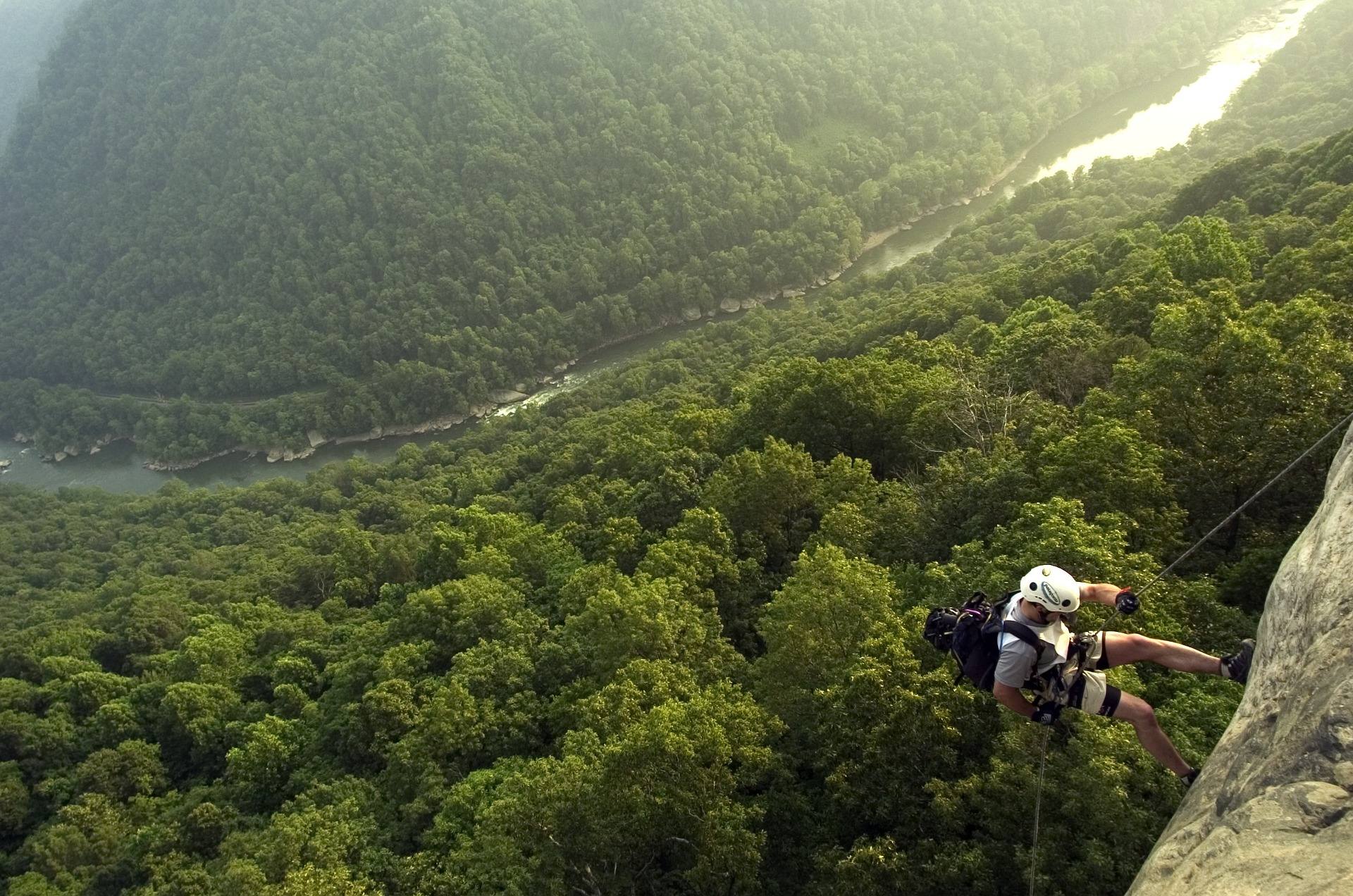
What the rock is, and why that settles most of the question
Seneca Rocks in the Potomac Highlands is a 900-foot fin of near-vertical Tuscarora quartzite standing above the North Fork of the South Branch. It is described as the most recognizable rock formation in the eastern United States and as the only true summit in the East that cannot be reached except by technical climbing.
That last phrase is the whole answer to the search that brings most people here. There is no walk-up line, no scramble around the back, no path that gets you to the top with hands in pockets. Military mountaineers trained here during World War II because the rock demands rope work, and it still does.
None of which means a visitor without experience has nothing to do. It means the two useful things to plan are a guided climb or a hike, and the records support both.
375-plus routes, mostly multi-pitch trad
The published route count is 375 or more, described as mostly multi-pitch traditional climbing running from moderate to hard. Multi-pitch means the climb is broken into rope lengths with belays partway up, and trad means the leader places and removes their own protection rather than clipping fixed bolts.
Both of those are skills, not preferences. A climber who has only ever followed bolted single-pitch routes in a gym or at a sport crag has not done the specific work that a moderate multi-pitch trad line here asks for, which is why moderate on this rock is not the same as easy.
No breakdown of that 375-plus by grade or by beginner suitability is published in these records. Nobody here can tell you which specific routes a first-timer should be on, and this site is not going to name one from guesswork.
The hiking trail is the no-gear option
A trail with a stairway runs 1.3 miles to an observation platform on the north side, and it needs no climbing gear. That is the published way to get a high view of the formation on foot, and for a visitor without experience it is the only way up anything here.
Expect steady climbing on the trail itself. The rock stands 900 feet above the river, and the platform is high on the north side rather than at the base, so this is a real hike with elevation rather than a walk to a viewpoint.
From the platform the multi-pitch routes are visible with climbers strung out on them, which is genuinely the best way to understand what the fin asks of people before you decide whether to try it. It also gives a photographer an elevated angle without any gear at all.
Hiring a guide is the published path onto the rock
Guide services operate at Seneca Rocks under Monongahela National Forest permit. That is what the record says, and it is the answer for anyone who wants to climb here without the skills to lead a multi-pitch trad route themselves.
The names of those services, what they charge, what they supply, how long a day runs and what routes they use are not published in these records. Ask the Monongahela National Forest which operators currently hold permits, then ask the operators the rest. A permit is the one credential these records confirm.
Book that conversation before you build a trip around it rather than after. Everything about availability here is unpublished, and the summit is not something you can improvise your way onto if a guide is not free.
What is bolted, and what nobody has written down
Climbers arriving with sport gear should slow down. The routes are described as mostly multi-pitch trad, and no sport-specific inventory is published out of the 375-plus total. Long vertical quartzite is not what a visitor chasing bolted lines usually comes to West Virginia for.
Friends of Seneca handles trail work, hardware and rescue infrastructure at the formation, which makes them the group closest to the question of what fixed protection exists and what condition it is in. Ask them or a permitted guide service what is bolted before you plan a trip around clipping.
The same goes for top-rope options, anchor locations and any beginner-suitable single pitch. If those exist, these records do not describe them, and a phone call to Friends of Seneca or the Forest Service is the shortcut.
The Gendarme, and what the formation used to offer
Many people once came here specifically to climb the Gendarme, a freestanding pinnacle that collapsed in 1987. It is worth knowing about before a visit, mostly so that older photographs and older guidebook talk do not set an expectation the rock can no longer meet.
The collapse also frames how to read anything you find about Seneca Rocks that is not current. Rock changes, hardware ages, and the group maintaining it is a volunteer organization, so verify what you read against Friends of Seneca or the Monongahela National Forest rather than against a decades-old account.
For a first visit without experience, the shape of a good day is not complicated: walk the 1.3 miles to the platform, look at the routes and the people on them, and decide from there whether the next trip is a guided one.
Reach people planning this trip
Placement alongside guides for outfitters, guides, shops and lodging.
List your business hereQuestions
can a beginner climb seneca rocks?
how do you get to the top of seneca rocks without climbing?
are there bolted sport routes at seneca rocks?
what happened to the gendarme at seneca rocks?
Read next
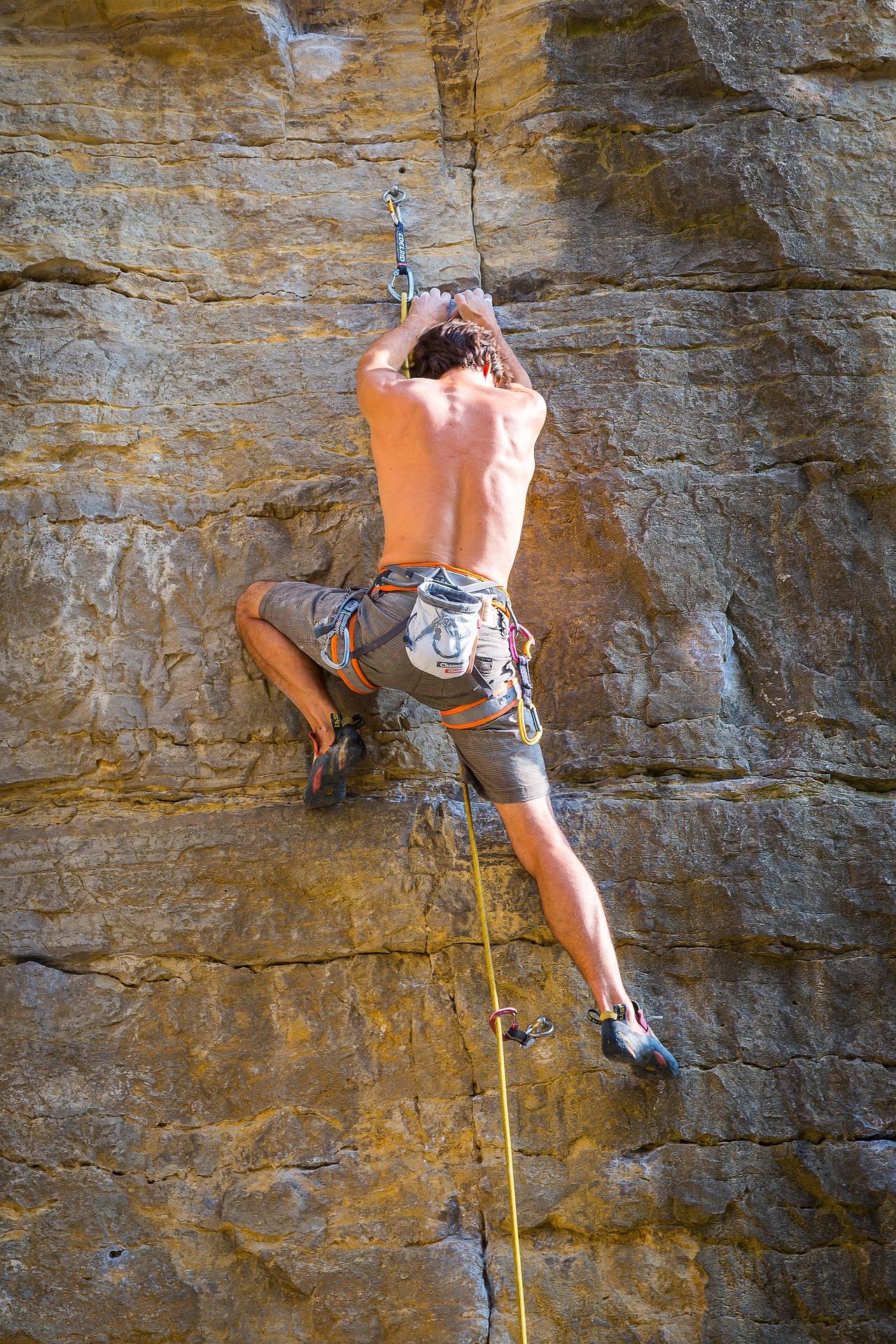 Guide · Potomac Highlands
Climbing Seneca Rocks: A First-Timer's Guide
What a first day on Seneca Rocks involves: 375-plus multi-pitch trad routes, the Apr-Oct season, permitted guides, and the summit you can only climb to.
7 min read · May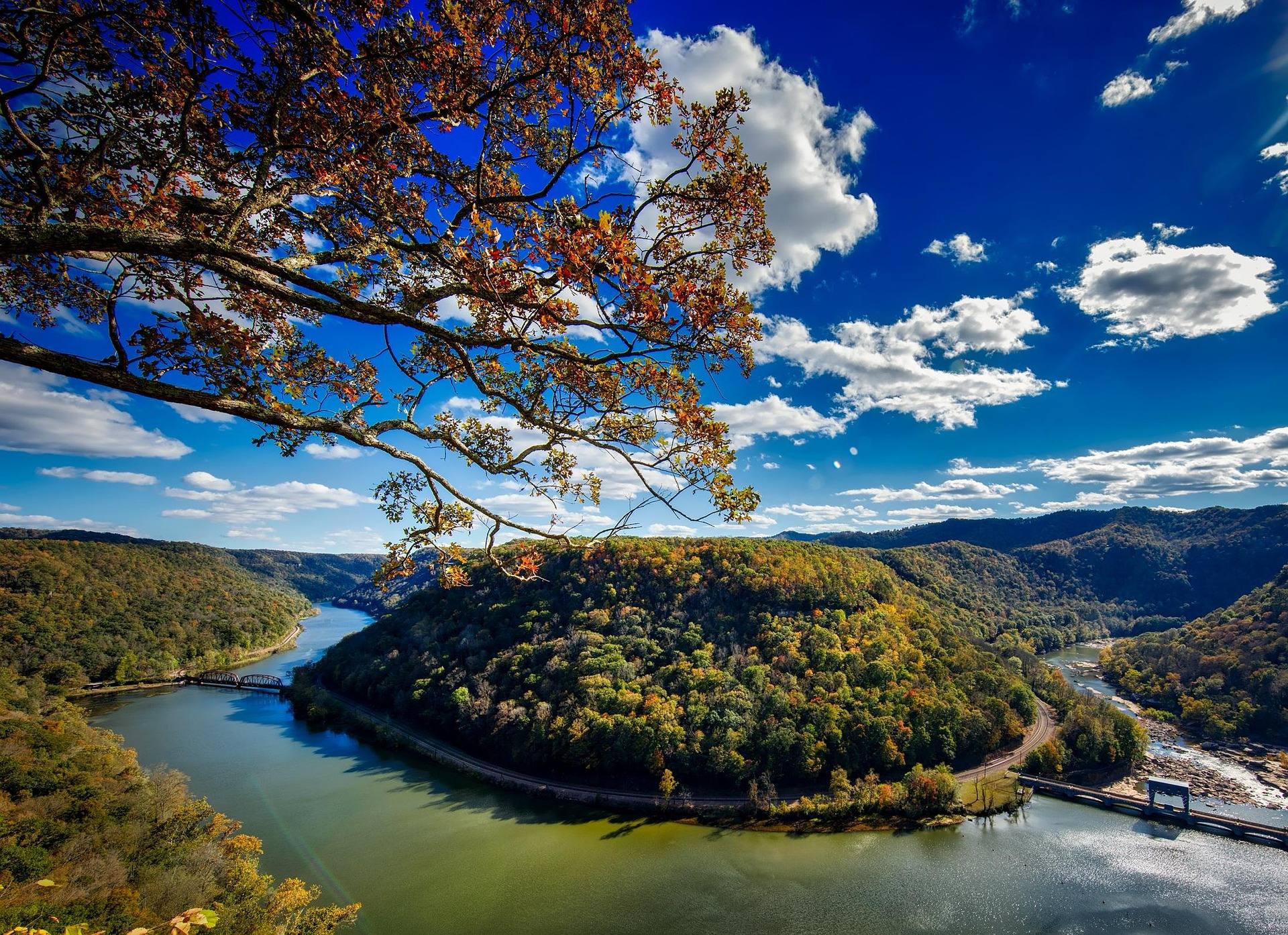 Best of · Potomac Highlands
The Best Hikes Near Seneca Rocks
Trail-by-trail guide to walking around Seneca Rocks: the 1.3-mile rock trail, the 24-mile North Fork ridge, Seneca Creek and Spruce Knob.
7 min read · October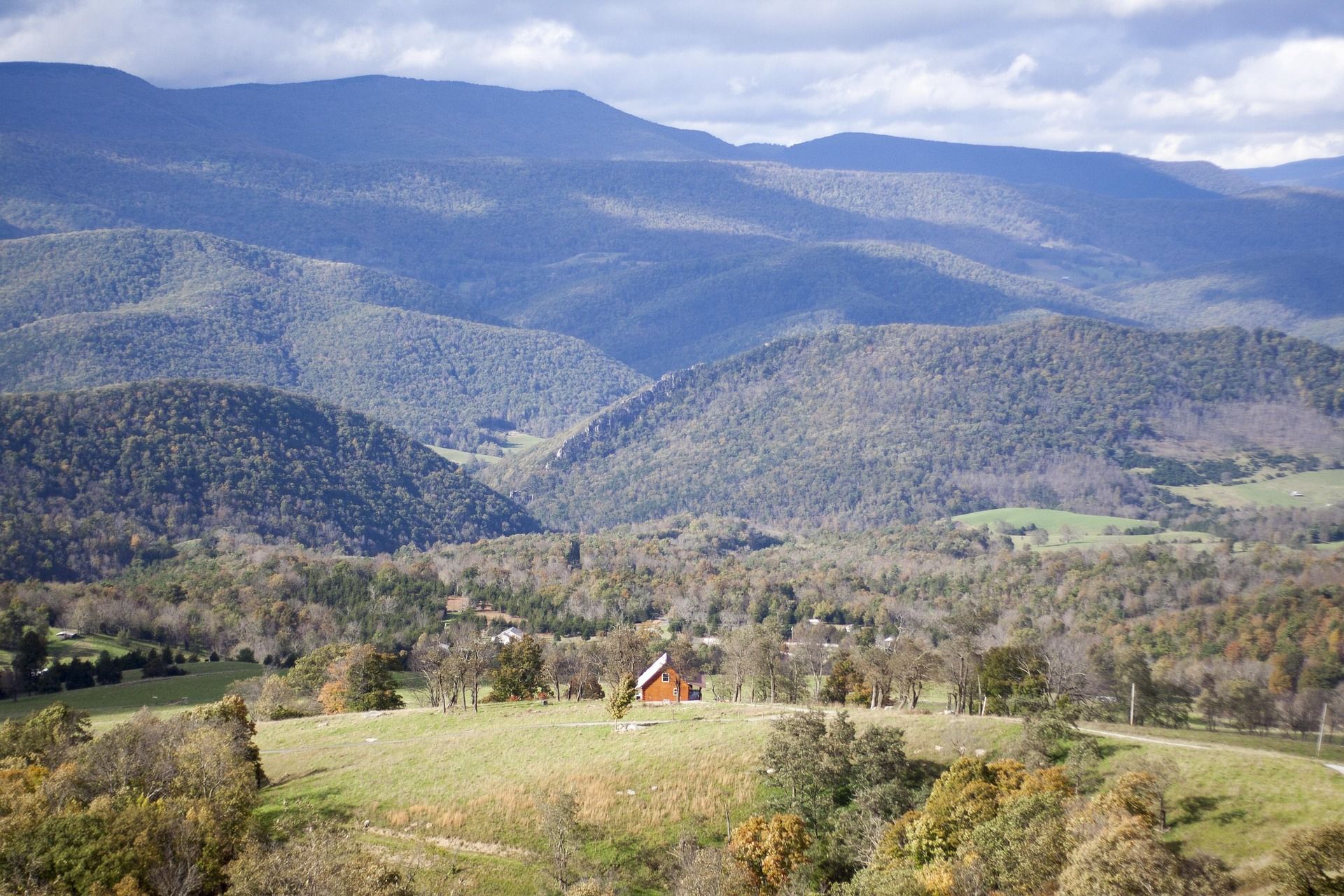 Itinerary · Potomac Highlands
Three Days in the Potomac Highlands
A three-day Potomac Highlands itinerary: Blackwater Falls, Dolly Sods, Seneca Rocks and Spruce Knob, with realistic driving and the forest roads to respect.
8 min read