
Every organization we link to: local tourism offices, the state and federal agencies that manage the land, the nonprofits and clubs that keep access open, and the universities doing the research.
West Virginia has roughly 1.5 million acres of public land and a handful of places that carry almost all of the attention. The consequence is that a great deal of very good ground sits nearly empty, usually for one of three reasons: nobody has heard of it, the road in is gated or rough, or it is undeveloped and has nothing to advertise. Those are the places below — of them across regions.
Almost Heaven Swings
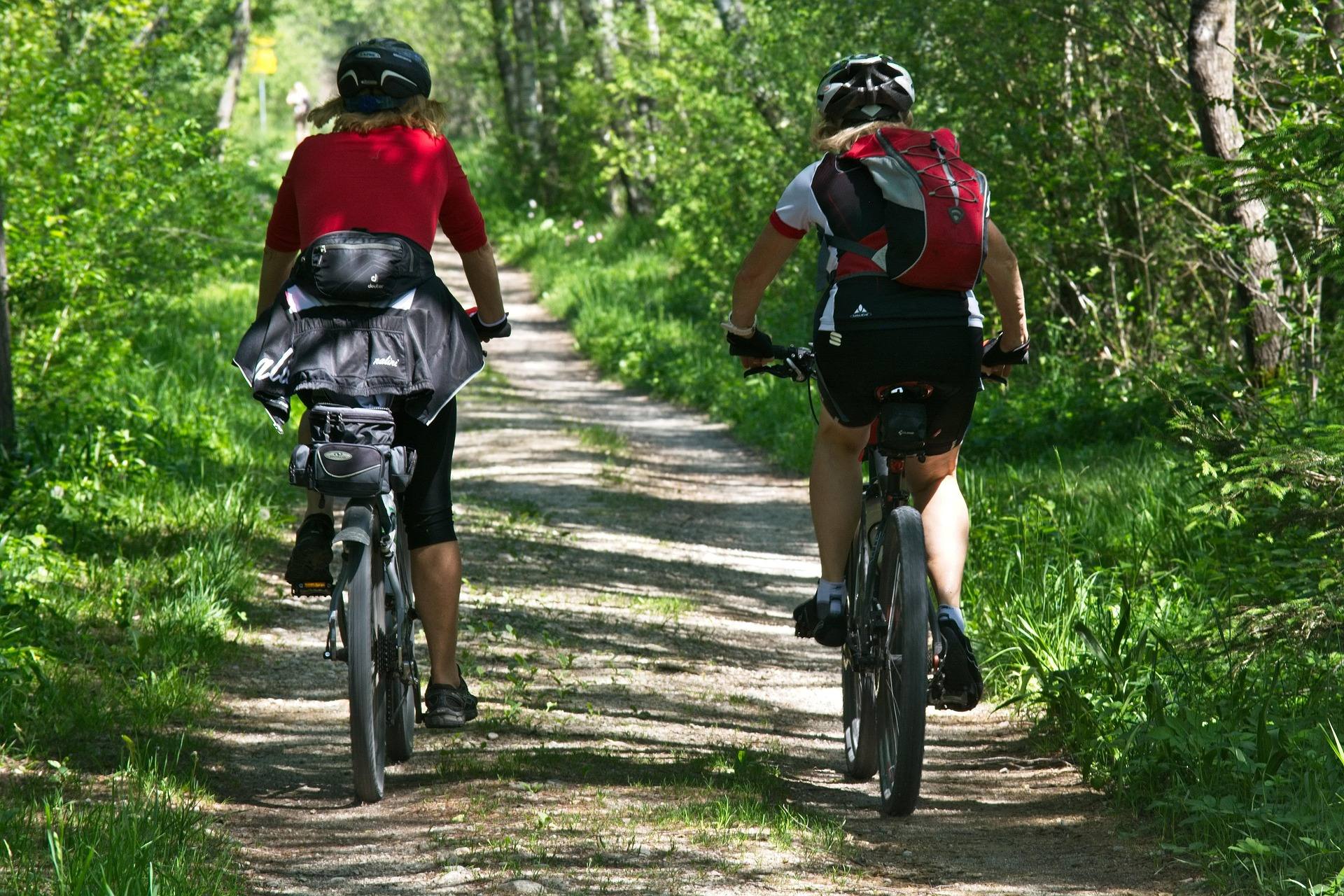
What the trail center actually is
Big Bear Lake Trail Center is a private operation in Preston County, in the northern counties around Morgantown, and it has been running long enough to count as one of the oldest mountain biking destinations in West Virginia. The published figure is more than fifty miles of trail, cross-country singletrack and doubletrack, wrapped around a lake with camping on the same ground.
The private part matters. A day-use fee applies, the operator sets the rules, and none of the state park machinery is in play here: no state reservation system, no state-published trail map, no posted state fee schedule. What you plan around comes from the center itself, at bigbearlakecampland.com.
Rooty, rocky, and honest about it
The riding is traditional cross-country on natural surface. Roots and rock, not machine-cut flow. That is the ground West Virginia built its reputation on among riders who like being made to work for a lap, and it rewards tire volume, patience on the descents, and line choice over top speed.
This site's record does not sort the network by difficulty, publish a color-coded map, or name individual trails. If you need to know which loops suit a group with mixed legs, that question goes to the center before you drive out rather than to a guess made off a satellite image.
A fixture on the race calendar
Years of regional racing have left their mark on the layout. The practical consequence for a visitor is that the trails ride as a connected system rather than a scatter of dead ends. Courses need linkable miles, and a lot of them have been strung together here.
It also means the busiest days are event days, and the event schedule is not part of what this site knows. Ask the center what is booked for your weekend, whether you want the woods to yourself or would rather turn up when there is a crowd and a start line.
Camping where the trails start
Camping sits inside the trail network, which is the whole argument for staying rather than day-tripping. An evening lap costs you a walk to the bike instead of a drive, and a two-day trip does not spend half of its second morning in the car.
Sites, rates, and booking all run through the center directly. No campsite count, hookup detail, or opening and closing date appears in this record, so treat the shoulder months as an open question. Call before you commit if your dates fall in early spring or late fall.
The lake, and the questions it raises
Water on the property means the lake, and nothing else. No stocked stream or named trout run is part of what this site knows about the place. Anglers should have that clear before packing, because a lake fishery and a mountain freestone are two different trips with two different boxes.
Because the ground is private and day use is charged, the rules on the water belong to the operator rather than to a public agency. Whether boats are permitted and what kind, where you can put in, and how licensing is handled are all things to settle by phone first.
Skis in winter, shoes year round
When snow holds in Preston County, the doubletrack that carries bikes in summer is what you ski. Nothing here is described as groomed, so a tour goes over whatever the last skiers and walkers left behind, and a firm base is a matter of luck rather than of a grooming report.
Runners get the same fifty-plus miles. The doubletrack leaves room to settle into a pace; the singletrack takes that away and punishes lazy footing. Yield to bikes on a network built around them, and expect the day-use fee to apply to you as it does to anyone else.
In the off-season, confirm the gate is open and the day-use operation is running before making the drive. A private center is under no obligation to keep a booth staffed for a January skier.
The rest of Mountaineer Country
There is more than one reason to be up in the northern counties. The Cheat River was severely degraded by acid mine drainage through the twentieth century and has recovered substantially since the 1990s, largely through remediation work led by Friends of the Cheat. Deckers Creek has been through the same kind of restoration.
The Cheat Canyon now runs Class III to V as a spring whitewater trip and the Cheat Narrows carries easier water. Around Morgantown the Mon River Rail-Trail system covers more than forty-eight miles, and the Mountaineer Trail Network is still being built out. This record gives no distances between any of that and the trail center, so work the driving out from a map before you plan a weekend that tries to hit two of them.
Reach people planning this trip
Placement alongside guides for outfitters, guides, shops and lodging.
List your business hereQuestions
How much does it cost to ride at Big Bear Lake Trail Center?
How many miles of trail are at Big Bear Lake Trail Center?
Can you camp at Big Bear Lake Trail Center?
Is Big Bear Lake Trail Center good for beginner mountain bikers?
Read next
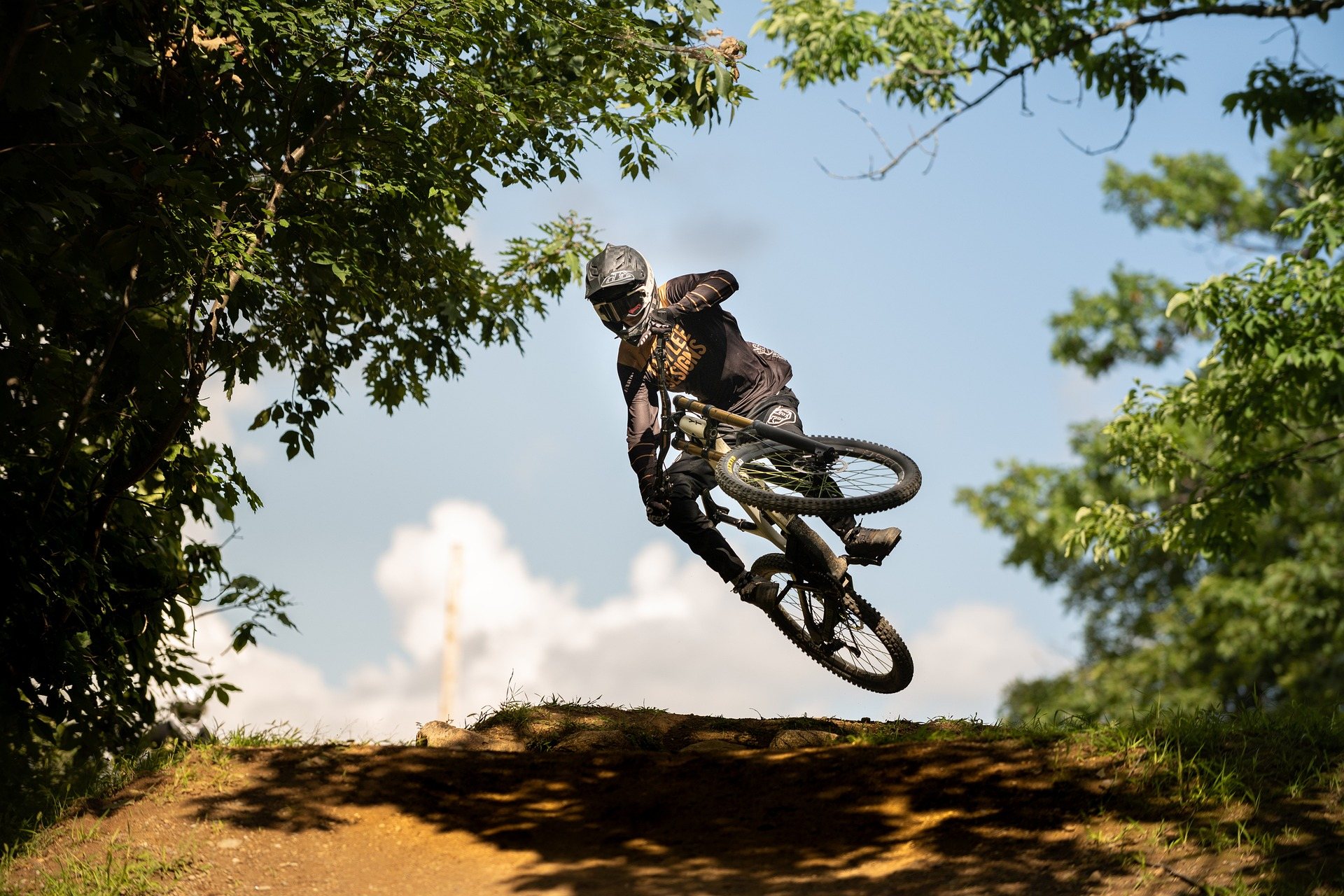 Guide · Mountaineer Country
Mountain Biking Big Bear Lake Trail Center
What the riding is like at Preston County's oldest trail center: 50-plus miles of rooty cross-country singletrack, a day-use fee, camping on site.
6 min read · July
Best of
The Best Mountain Biking in West Virginia
Where to mountain bike in West Virginia: the Arrowhead trails, Canaan and Snowshoe, Hatfield-McCoy, plus rail-trails and gravel in the highlands.
8 min read · June Destination · Mountaineer Country
Things to Do Outdoors in Morgantown, West Virginia
A survey of what a Morgantown base actually reaches: 48 miles of rail-trail, a 12,747-acre forest, Cheat Lake, new singletrack and the Cheat itself.
9 min read