
Every organization we link to: local tourism offices, the state and federal agencies that manage the land, the nonprofits and clubs that keep access open, and the universities doing the research.
West Virginia has roughly 1.5 million acres of public land and a handful of places that carry almost all of the attention. The consequence is that a great deal of very good ground sits nearly empty, usually for one of three reasons: nobody has heard of it, the road in is gated or rough, or it is undeveloped and has nothing to advertise. Those are the places below — of them across regions.
Almost Heaven Swings
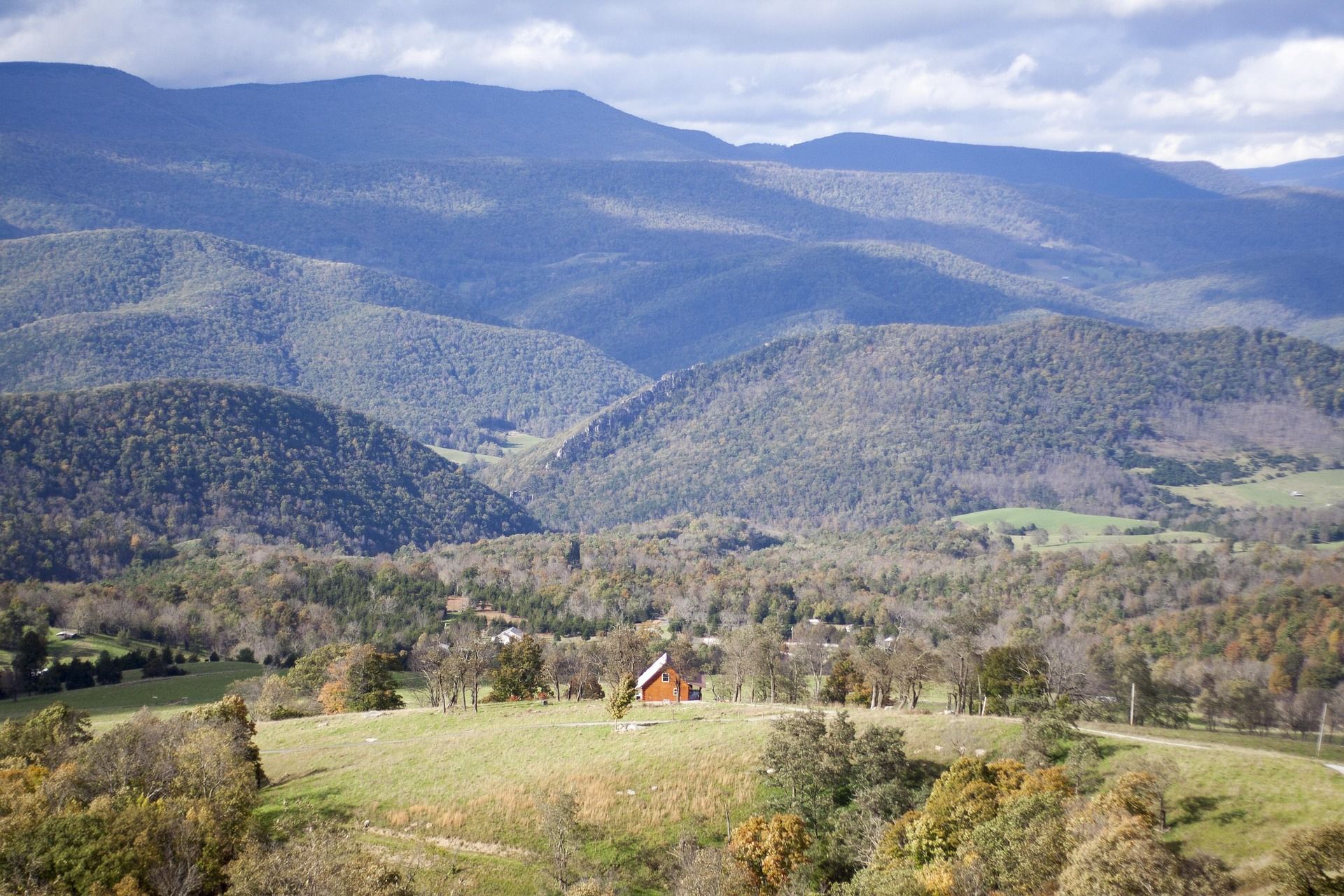
A 13,000-square-mile restriction written into law
The National Radio Quiet Zone is an area of 13,000 square miles in which radio transmissions are restricted by law. It exists because the Green Bank Observatory sits at the center of it, operating the world's largest fully steerable radio telescope, a structure 485 feet tall. Protecting what that instrument is trying to hear is the whole purpose of the rule.
Everything a visitor notices follows from that. This is among the darkest and quietest country in the eastern United States, not because it was set aside as scenery but because a scientific instrument needed the air around it kept clear. The quiet is a byproduct, and it is the most unusual thing on offer here.
The legal text of the restriction, the exact shape of the boundary, and which transmissions are limited to what degree are not published on this site. The observatory is the authority on all of it. Start at greenbankobservatory.org rather than working from a map somebody drew online.
What actually happens to your phone
Expect no cell service across much of Pocahontas County. That is the published expectation, and it is worth reading literally: not one weak bar, not roaming, but nothing across large parts of the county you will be driving through.
What is not published is the detail people usually want next. There is no carrier-by-carrier coverage note, no list of the last places a signal holds on a given road, and nothing here about internet access at lodging or at the observatory. If any of that governs your trip, ask the observatory directly and ask your carrier separately, because the two answers come from different places.
Treat the absence as the default condition rather than a gap to be worked around. A phone in your pocket in the quiet zone is a camera and a clock.
Planning a visit that assumes no signal
Download maps and directions to your device before you get close, and carry a paper backup. Anything that requires a live connection at the moment you need it, including a ticket, a reservation confirmation, or a two-factor code, should be settled while you still have service.
Leave a plan with somebody who is not coming. Give them where you are going, when you expect to be back, and the observatory's published contact route as the way to reach anyone in the area. This matters more here than in most of the state, because the usual fallback of a call from the trailhead is not available.
If you are meeting people, agree the time and the place before you separate. Coordinating on the fly is the thing that fails first in the quiet zone.
Sitting still is the actual attraction
Restricting radio transmission across 13,000 square miles produces a quiet you register within a minute of shutting the car door. There is no equivalent condition anywhere nearby, and it rewards the least active thing you can do outdoors, which is stay put and pay attention.
The disconnection works in the same direction. Your phone will not work across much of the county, which removes the option of half-attending to something else. That is the condition that makes a long sit here worth the drive rather than a slow afternoon.
Stay into the dark if the day allows it. The night sky over this ground is the same order of rare as the silence, and the two arrive together.
Photographing the dark, and the telescope by day
Astrophotography conditions here are exceptional, and the reason is the same restriction: some of the darkest country in the eastern United States, produced as a side effect of protecting a radio telescope. Plan around the new moon, which is the single scheduling decision that most affects what you can record.
In daylight the 485-foot telescope is the subject, and at 485 feet it does not need help holding a frame. Nothing about permitted photography locations, tripods, or drone use is published on this site, so clear your intentions with the observatory first, particularly anything involving equipment that transmits.
Weather here is not published either. Check a forecast before you leave the last place you have a signal, since you will not be refreshing it once you arrive.
Seeing the observatory itself
Tours and the science center run daily in season. That is what is published, and it is the extent of it. Hours, admission, tour times, seasonal dates, and whether anything needs booking ahead are not published here, so confirm them with the observatory before you build a day around a specific tour.
Book or confirm while you still have a connection. The observatory's own page is the place to do it, and it is the only source this guide will point you to for the practical details of a visit.
The rest of Pocahontas County reads differently once you know why it is quiet. A drive with no notifications arriving in it is a plainer pleasure than it sounds, and an increasingly hard one to arrange on purpose.
Reach people planning this trip
Placement alongside guides for outfitters, guides, shops and lodging.
List your business hereQuestions
Does your cell phone work in the National Radio Quiet Zone?
How big is the National Radio Quiet Zone?
Can you visit the Green Bank telescope?
Is Green Bank good for stargazing and astrophotography?
Read next
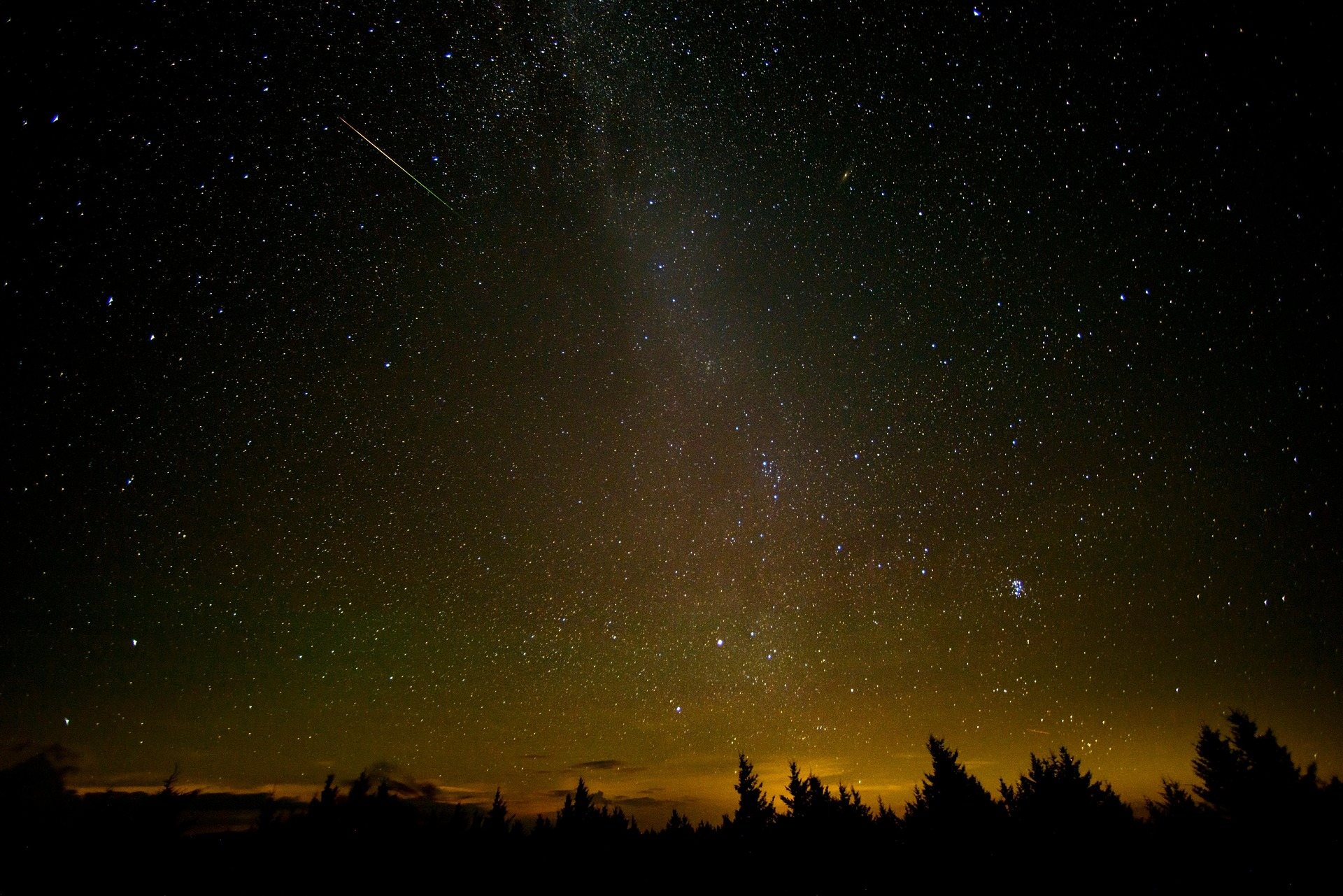 Guide · Greenbrier Valley
Stargazing at Green Bank and the Radio Quiet Zone
What the National Radio Quiet Zone means for a night under the stars at Green Bank: when to go, why your phone stops working, and where else to set up.
8 min read · August Destination · Greenbrier Valley
Things to Do in Marlinton, West Virginia
What to do from Marlinton: the rail-trail at mile 56, Tea Creek's 44 miles of trail, Seneca State Forest, smallmouth water, and what closes in winter.
6 min read
Guide · Greenbrier Valley
The Highland Scenic Highway: Driving and Hiking
A 43-mile byway above 4,500 feet: four overlooks, the Cranberry Glades boardwalk, the Falls of Hills Creek, and the trailheads that close all winter.
7 min read · October