
Every organization we link to: local tourism offices, the state and federal agencies that manage the land, the nonprofits and clubs that keep access open, and the universities doing the research.
West Virginia has roughly 1.5 million acres of public land and a handful of places that carry almost all of the attention. The consequence is that a great deal of very good ground sits nearly empty, usually for one of three reasons: nobody has heard of it, the road in is gated or rough, or it is undeveloped and has nothing to advertise. Those are the places below — of them across regions.
Almost Heaven Swings
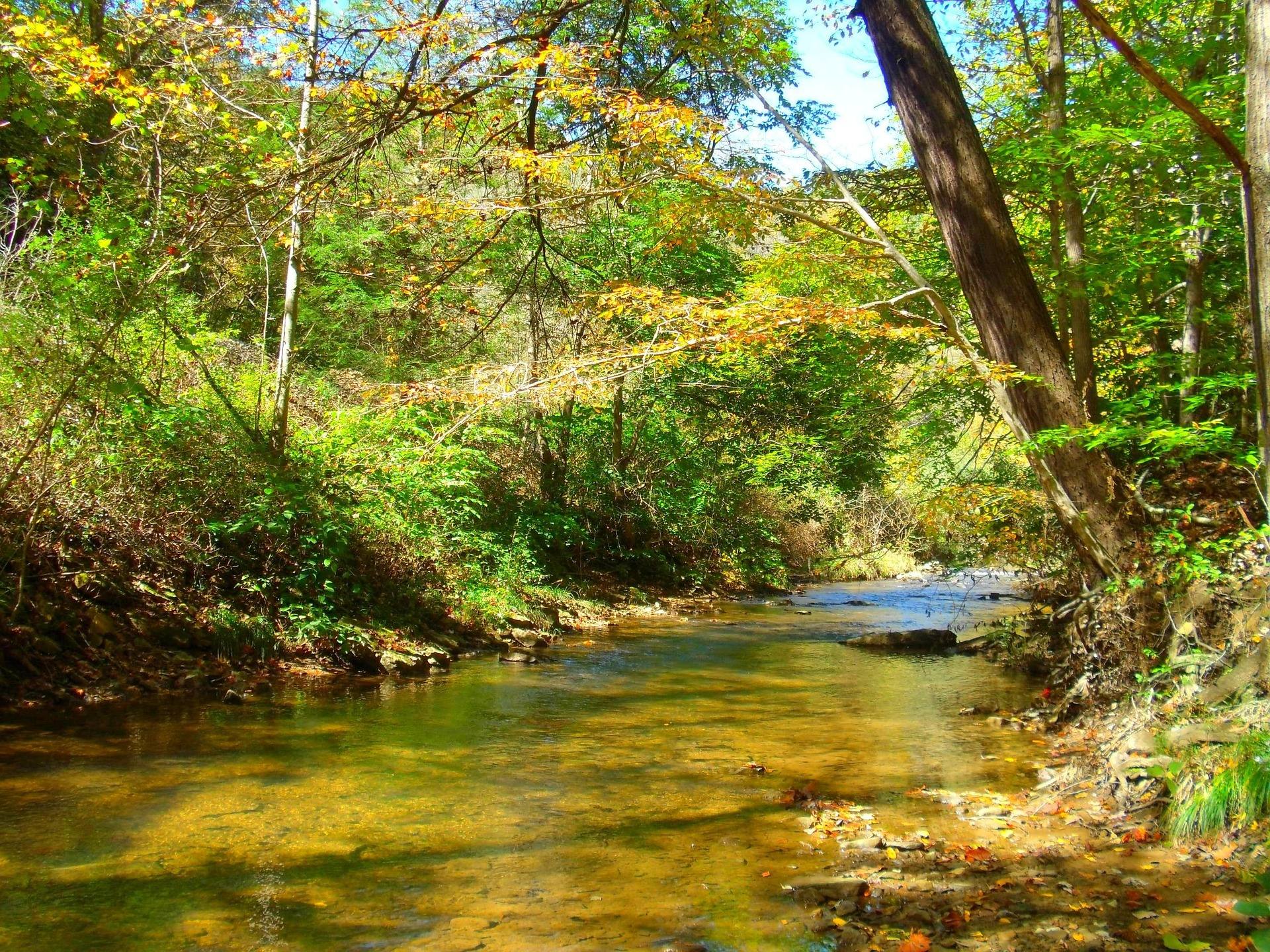
A homestead on 532 acres in Harrison County
Watters Smith Memorial State Park covers 532 acres in Harrison County, and the reason to visit is concentrated in a small part of that: a preserved nineteenth-century homestead with its farm buildings and a museum. The settlement date on the record is 1796.
Around the buildings are quiet woodland trails, short and suited to families, plus a swimming pool. The park is small in effect if not in acreage — the developed core is walkable, and the trails do not ask much of anyone.
Access is the other half of the case. The park is easily reached from I-79, which puts it within a short detour of a drive most people are already making up or down the middle of the state. That is what turns a modest historical site into a worthwhile stop.
What 1796 means on this ground
A settlement date of 1796 puts this homestead at the front edge of European farming in what became West Virginia. The buildings that survive are nineteenth-century, so what you are looking at is the working farm that grew on a site claimed earlier, not the first structures on it.
The record does not name the individual buildings, count them, or say what the museum holds. If a specific object or structure is the reason you are going, ask West Virginia State Parks what is currently on display before you make the drive.
Historic buildings here are open seasonally. That is a firm published fact with no dates attached to it, which makes a phone call the difference between seeing interiors and looking at them from outside.
Trails that are short by design
The trails are short and suited to families, running through quiet woodland across the 532 acres. There is no published mileage, no route list and no difficulty rating in this record, so plan an hour or two of walking rather than a measured day.
What the trails connect to is the argument for walking them. They circle a preserved homestead and its outbuildings, so the walking is framed by the history rather than being the whole of the visit. That combination suits groups with mixed appetites for distance.
If you want distances before you arrive, the park is the only source. Ask whether trails are signed and how the loops connect, particularly if you are bringing small children and want a route you can shorten partway through.
The pool and the seasonal question
A swimming pool is part of the park. Its operating season, hours and admission are not published in this record, and the same seasonal uncertainty covers the historic buildings, which are stated only as open seasonally.
That means a summer visit and a November visit are different parks. In one you may find the pool running and the buildings staffed; in the other you may find grounds, trails and closed doors. Both are legitimate visits, but only one matches what most people picture.
The single most useful thing you can do before driving out is confirm with West Virginia State Parks what is open on your date. Pool, buildings and museum all hang on that answer, and none of them are documented here with dates.
Camping is listed; the details are not
Camping appears among the activities at this park, and that is where the published record stops. No campground size, no site types, no loop names and no season are given. Anyone planning an overnight is planning on an incomplete picture.
Easy access from I-79 makes an overnight here plausible as a stop rather than a destination — a night broken out of a longer drive through the center of the state. Nothing in the record supports treating it as a base for a multi-day trip.
Confirm with the state park system that a campground is open in your season and what it actually provides before you count on a site. That is not a formality here; there is genuinely nothing published to plan against.
Birding the edge between field and woods
The layout here creates edge habitat almost by accident: open ground around the historic farm buildings meets quiet woodland trails, and both sit inside 532 acres you can cover on foot in a morning. Edge is where a lot of birds are.
May is the peak month statewide, so a spring stop makes better use of the site than a summer one. No species list is published for this park, which means you go with general expectations for central West Virginia woodland rather than a target list.
Judged honestly, this is an hour worth spending if you are passing, not a park you drive across the state for. That is a reasonable role for it — the same one it plays for hikers and for anyone stopping to see the homestead.
Where it fits in the Mountain Lakes region
The park sits in Mountain Lakes, the geographic center of West Virginia and its least-visited region. Three Army Corps of Engineers reservoirs — Sutton, Burnsville and Stonewall Jackson — supply the flatwater the region takes its name from.
The Elk River runs through the region as a cold tailwater below Sutton Dam, holding wild and holdover brown trout, and warms downstream into smallmouth water. A 73-mile corridor carries the Elk River Rail Trail. Those are the region's headline outings, and Watters Smith is not competing with them.
Use it accordingly. A morning at the homestead and its trails pairs naturally with an afternoon on one of the reservoirs or the rail trail, and the I-79 access makes that pairing easy to arrange in either order.
Reach people planning this trip
Placement alongside guides for outfitters, guides, shops and lodging.
List your business hereQuestions
how long are the trails at watters smith memorial state park?
are the historic buildings at watters smith open year round?
can you camp at watters smith memorial state park?
how old is the homestead at watters smith?
Read next
 Destination · Mountain Lakes
Stonewall Jackson Lake State Park: A Complete Guide
Stonewall Jackson Lake State Park: 2,650 acres of water, the state's best sailing, what the marina rents, Briar Point camping and the overlook walk.
7 min read · August Destination · Mountain Lakes
Things to Do Outdoors in Buckhannon, West Virginia
The parks, forests, swimming water and quiet walking within day-trip range of Buckhannon, and which of them is worth the drive in which season.
8 min read Best of · Mountain Lakes
The Best Hikes in Holly River State Park
Potato Knob, Railroad Grade, Tramontane, Reverie and the accessible Laurel Fork loop, trail by trail, with the lengths and ratings the park publishes.
9 min read · June