
Every organization we link to: local tourism offices, the state and federal agencies that manage the land, the nonprofits and clubs that keep access open, and the universities doing the research.
West Virginia has roughly 1.5 million acres of public land and a handful of places that carry almost all of the attention. The consequence is that a great deal of very good ground sits nearly empty, usually for one of three reasons: nobody has heard of it, the road in is gated or rough, or it is undeveloped and has nothing to advertise. Those are the places below — of them across regions.
Almost Heaven Swings
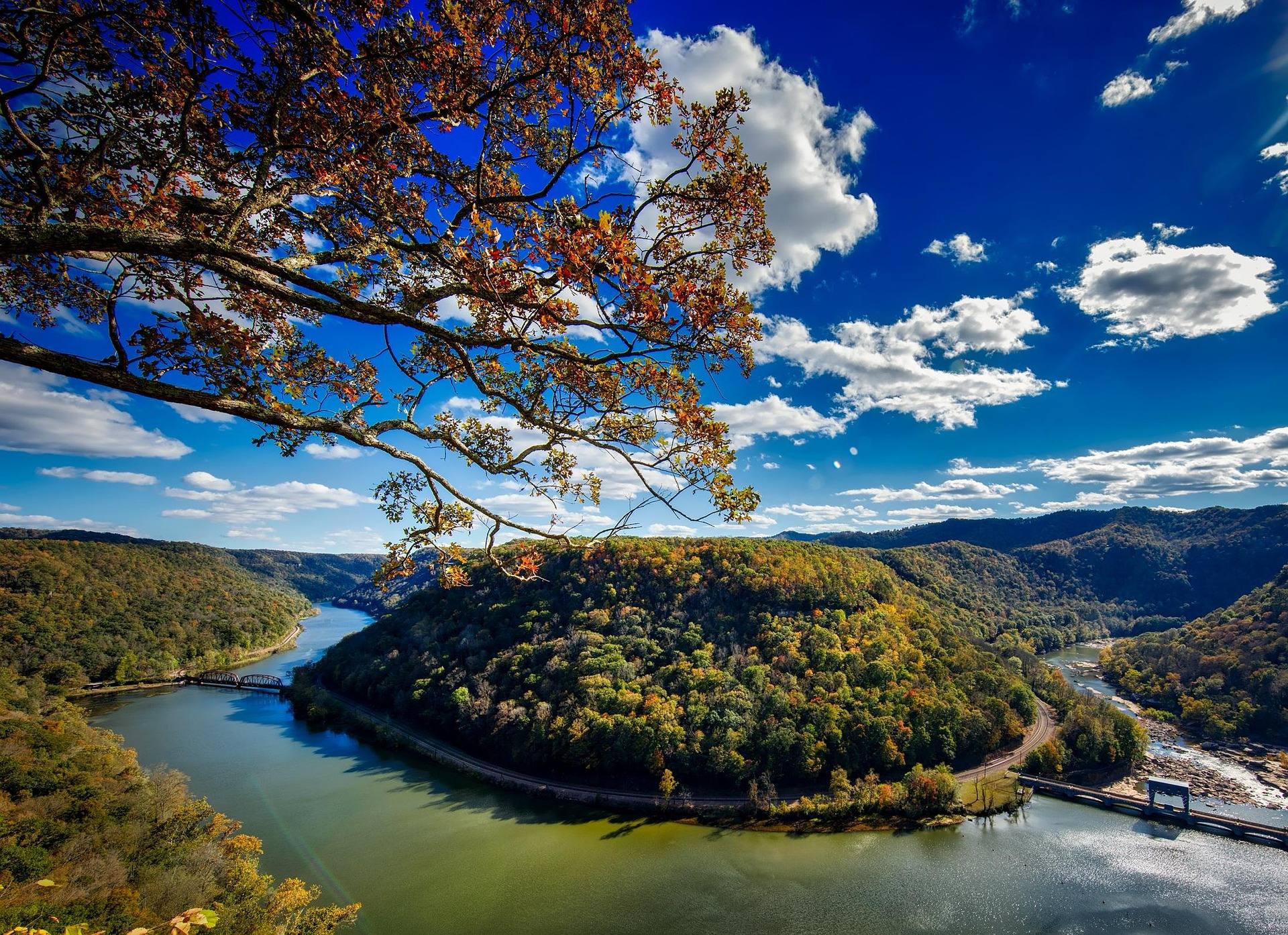
A gorge that carries two hard sports
The Meadow is two destinations sharing one canyon. On the water it is an exceptional and demanding run, graded Class IV-V. On the rock it is one of the most significant climbing developments in the eastern United States of the past decade, with hundreds of routes established on clean sandstone. The gorge itself is deep and quiet, and its lower end lies inside the national recreation area, where the Meadow enters the Gauley.
Those two identities do not share a planning process. Boaters here read rainfall and gauges. Climbers read Mountain Project, because the route list has grown faster than any printed source can track it. The one organization both groups follow is the Meadow River Valley Association, which is the group to watch on access questions.
The published record for this river is short on logistics. It names no put-in, no takeout, no parking area, no fee and no gauge reading. Treat what follows as the shape of the place rather than a set of directions, and get the specifics from the association and from people who already paddle or climb here.
Rain decides the run, not a calendar
Immediately north, the Gauley runs on scheduled autumn releases from Summersville Lake, which is why so much whitewater planning in this region happens around fixed dates. The Meadow works the other way. It is rain-dependent, so the run exists after it has rained and does not exist otherwise.
Spring tends to carry the peak for that same reason: it is when the water is there. Rainfall is the variable, though, not the month. Watch gauges instead of a season, because a dry spring is a dry river and a wet stretch of any other month can put the run back on.
Class IV-V inside a deep, quiet gorge sets the terms for everything else. Go with people who already know the lines. Quiet also means a long way from help, and the record lists no access or egress points along the run, so the association is the place to ask what your options are if something goes wrong mid-river.
Hundreds of routes and beta that ages in months
Hundreds of new routes on clean sandstone in one gorge over roughly a decade is the kind of development that redraws a region's map. The New River Gorge cliff bands already hold more than 1,600 established routes, the largest concentration of sandstone climbing in the eastern United States, and the Meadow has been the growing edge of it.
The consequence for a visitor is that no fixed source stays current. Route names, grades and approaches all move as development continues. Mountain Project is where the working information lives, and it is worth reading days before a trip rather than weeks.
Our record does not break the climbing down by wall, style or grade range, and it does not say what is bolted and what is not. Ask on Mountain Project, and follow the Meadow River Valley Association for anything touching permission and parking.
Access on foot was built by climbers
No trail mileage is published for the Meadow. What exists underfoot came from climbers walking to cliffs rather than from a trail crew building a system, and those approaches shift as new routes go in.
This is not a place to plan a walking day from a map. The record establishes the character of the ground well enough, a deep and quiet gorge with a protected lower end, but it does not give you a route. Read current approach descriptions on Mountain Project, and ask the association what is open and where a car can legally sit.
Fishing a stretch with no published species list
Rainfall governs fishing here as firmly as it governs paddling. Levels swing hard across a year, and water that fishes well in one month can be reduced to rock and standing pools by another.
No species are published for this river in our record, so read the WVDNR regulations for the drainage before rigging anything, and confirm the license and season rules that apply to that water. The lower river sits within the national recreation area, so also ask whether federal rules stack on top of the state ones on that section.
Who to ask, and what to ask them
Two contacts cover most of it. The Meadow River Valley Association, at meadowrivervalley.org, is the group to follow for access. Mountain Project carries the current climbing and approach information. For the lower river inside the national recreation area, the National Park Service is the authority on what is permitted.
Questions worth settling before you leave home: where legal parking is, what flow the run you have in mind needs, whether any approach crosses private ground, and whether your section falls under federal rules, state rules or both. None of that is fixed in the published record, and all of it can change between seasons.
Reach people planning this trip
Placement alongside guides for outfitters, guides, shops and lodging.
List your business hereQuestions
When can you paddle the Meadow River?
How hard is the Meadow River whitewater?
How many climbing routes are on the Meadow River?
What fish are in the Meadow River?
Read next
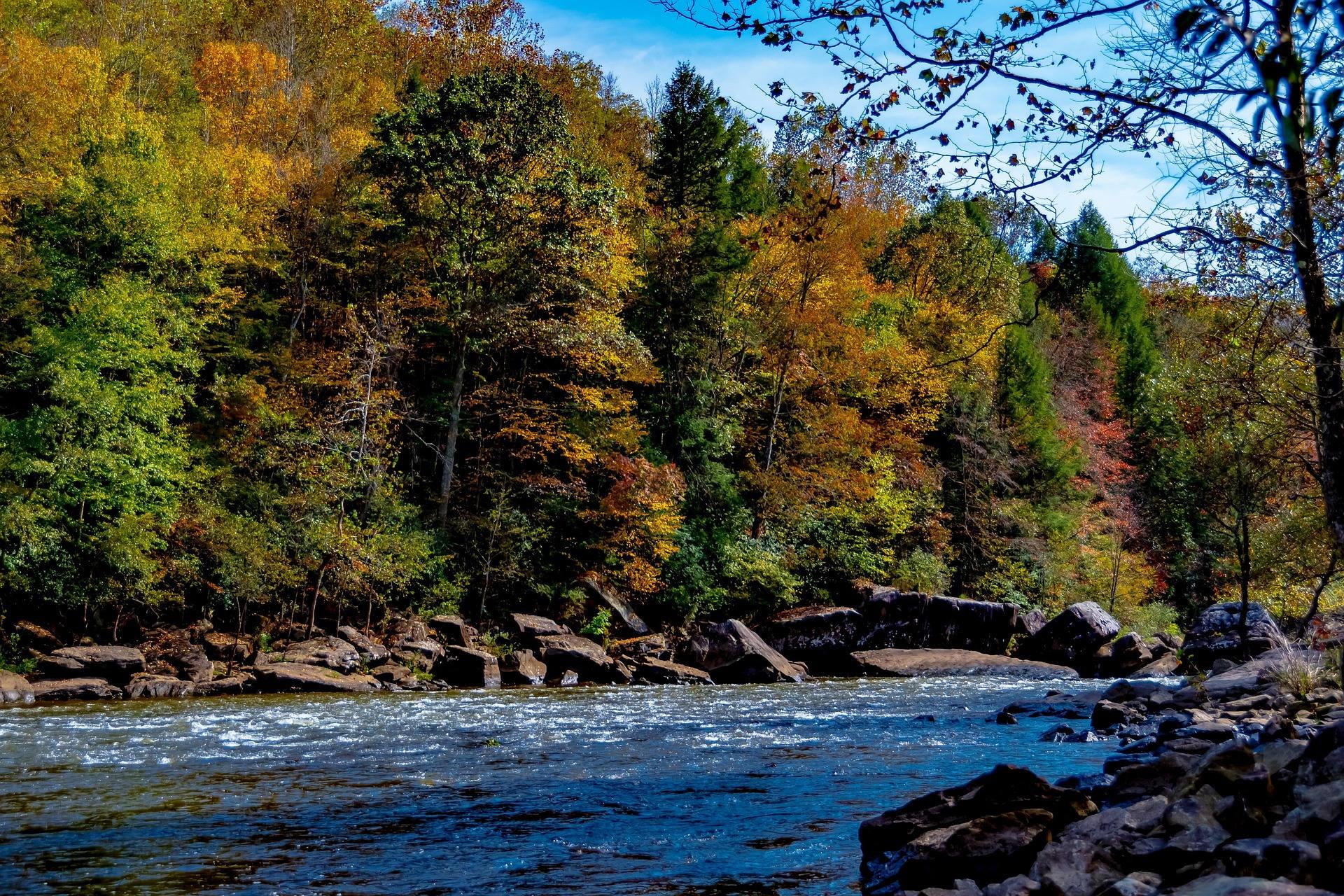 Guide · New River Gorge
Gauley Season: A Complete Guide
Everything to know about Gauley Season in West Virginia: how the dam releases work, Upper versus Lower Gauley, minimum ages, when to book and what to expect.
8 min read · September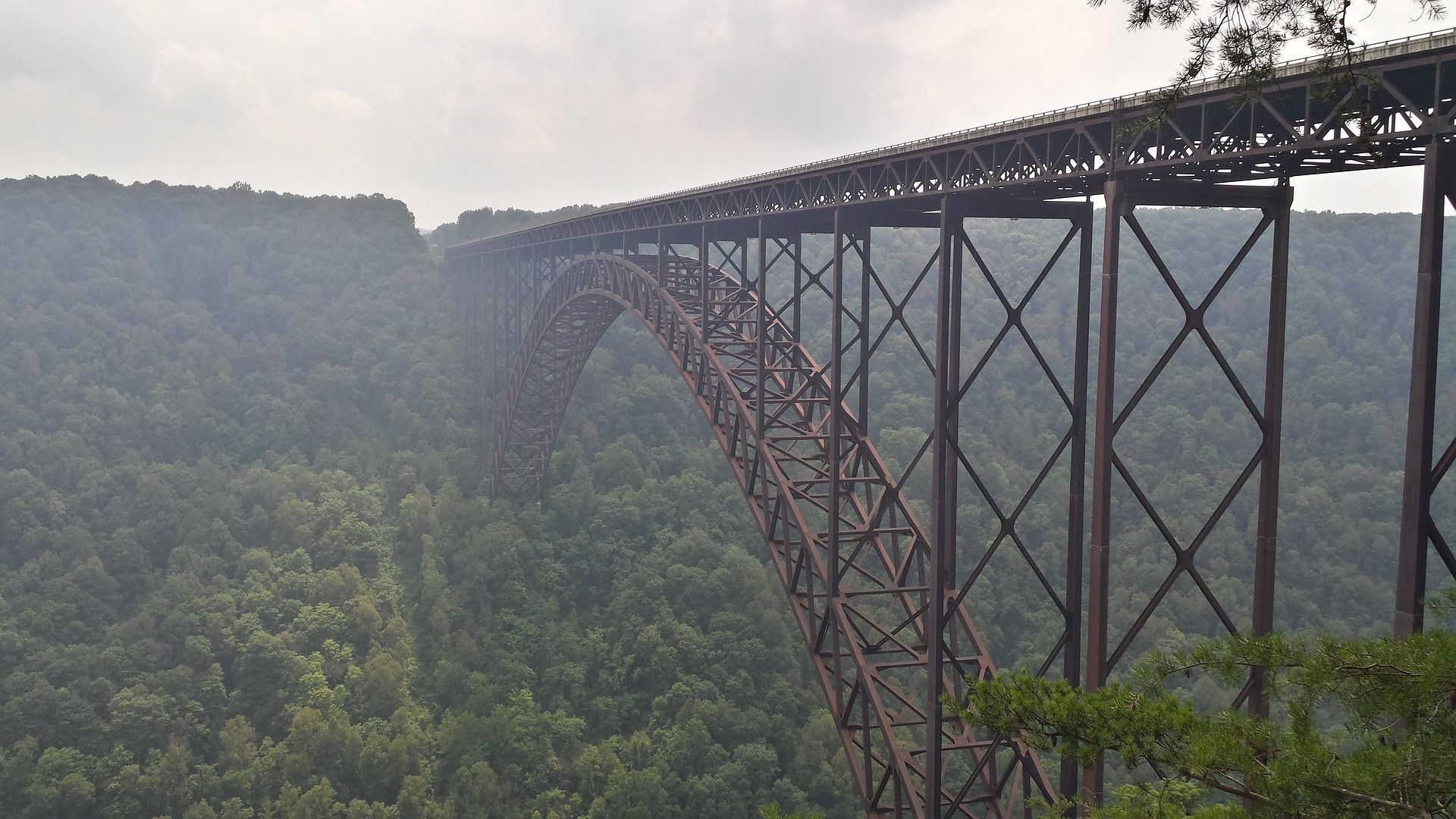 Destination · New River Gorge
Things to Do in New River Gorge National Park
A complete guide to New River Gorge National Park: the best hikes, whitewater, climbing and overlooks, plus where to base yourself and when to come.
12 min read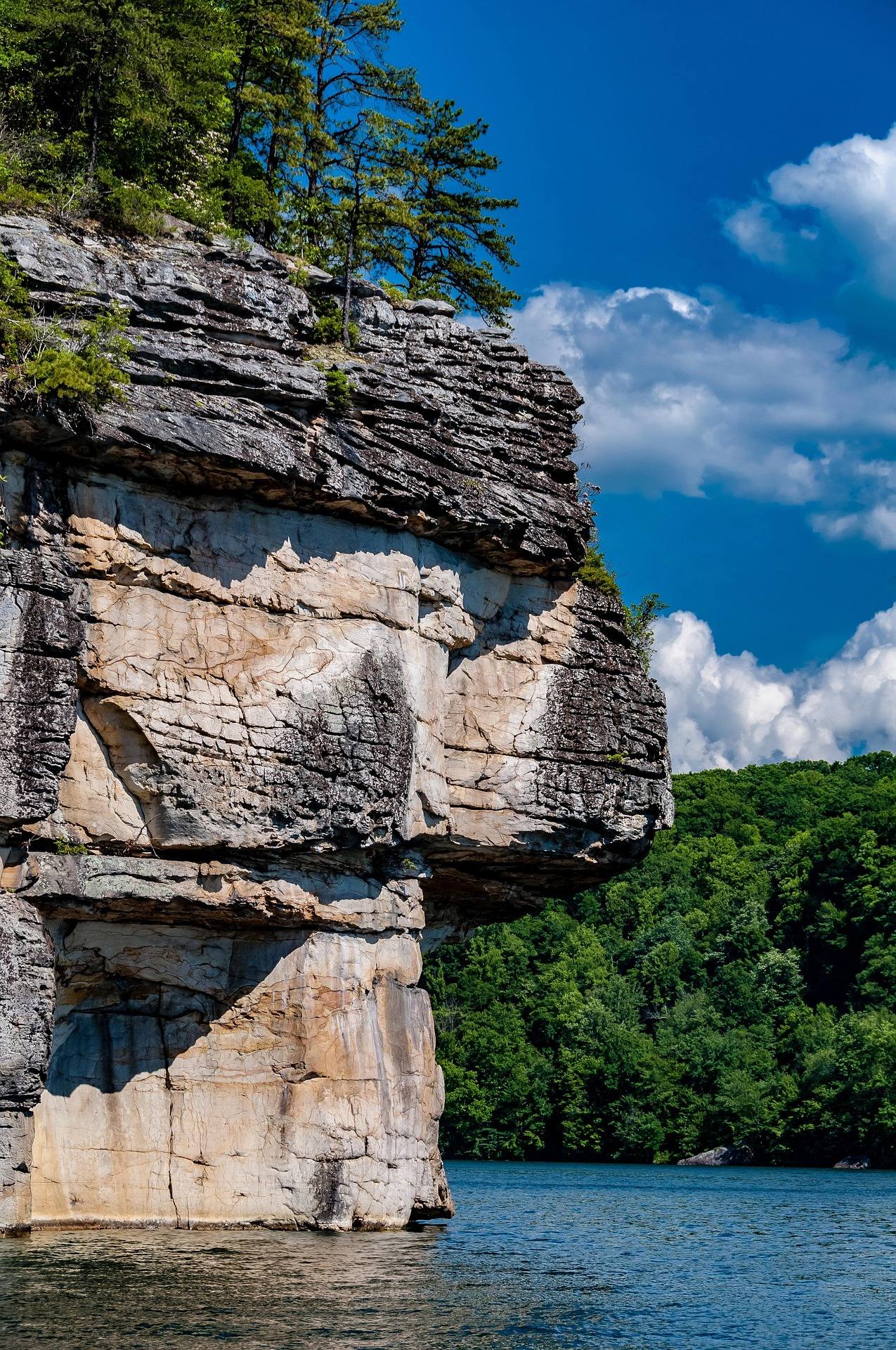 Guide · New River Gorge
Rock Climbing at Summersville Lake
Lakeside sport climbing and deep-water soloing at Summersville Lake: the walls, boat-only access, the autumn drawdown and when the rock is dry.
8 min read · August