
Every organization we link to: local tourism offices, the state and federal agencies that manage the land, the nonprofits and clubs that keep access open, and the universities doing the research.
West Virginia has roughly 1.5 million acres of public land and a handful of places that carry almost all of the attention. The consequence is that a great deal of very good ground sits nearly empty, usually for one of three reasons: nobody has heard of it, the road in is gated or rough, or it is undeveloped and has nothing to advertise. Those are the places below — of them across regions.
Almost Heaven Swings
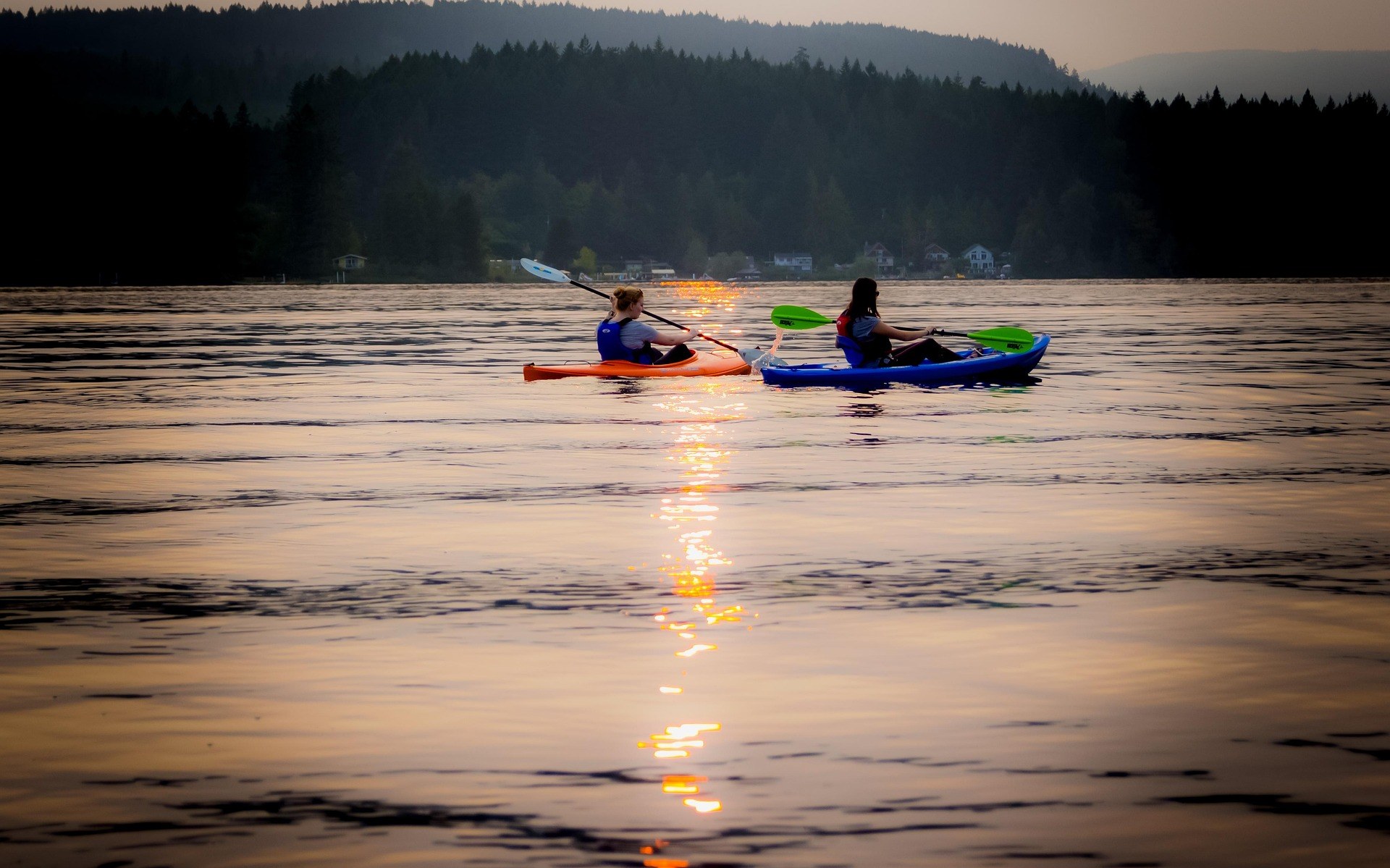
A 1,005-acre reservoir in Wayne County
East Lynn Lake covers 1,005 acres in Wayne County, in the southwestern corner of West Virginia, and it is a federal reservoir run by the U.S. Army Corps of Engineers rather than a state park lake. That distinction matters more than it sounds like it should, because it changes who you call about ramps, campsites and water levels, and it changes where you book a night.
More than 23,000 acres of wildlife management area wrap the reservoir. That single fact explains most of what a day here feels like. There is no ring of private frontage feeding docks and traffic onto the water, the shoreline is public, and the upper arms stay undeveloped. Quiet is not a marketing claim about this lake; it is a consequence of who owns the land around it.
The lake sits in the Metro Valley region — the Kanawha and Guyandotte valleys around Charleston and Huntington, which together hold the largest share of the state's population. Recreation in that region is mostly concentrated on restored city and suburban rivers and on close-in public land, so a big lake with 23,000 acres of public ground behind it runs against the local pattern.
Bass, crappie, and very little pressure
The fishery here is built on bass and crappie, and it is a strong one. The more useful part for anyone planning a trip is how little pressure lands on it. You can settle into a stretch of bank and work it at length without anyone else arriving to work the same water, which is not something you can count on at the better-known reservoirs.
Because so much of the shoreline is wildlife management area, bank access is not limited to a few developed pockets. Long sections of the lake have nothing built on them. That rewards the kind of angler who is willing to walk in and stay put rather than run a boat between marked spots.
The West Virginia Division of Natural Resources handles licensing and fishing regulations. This site's record for East Lynn does not list stocking, size limits or creel limits, so check the current WVDNR regulations for this lake specifically before you fish it — do not assume the numbers from another reservoir carry over.
Motorboats are allowed, but the traffic is light
Motorboats are permitted on the reservoir, and light motor traffic for a lake this size is the main reason people come back. There is enough surface to spread out on and few enough boats that spreading out actually works.
Ramps, boat registration and navigation rules run through the WVDNR boating program. Water level and the operational status of the lake's facilities are the Corps' side of the split. Call the Corps before you tow a boat down for a specific day — a reservoir's level moves, and it is a wasted drive to find out at the ramp.
For paddlers, a thousand acres with almost no current and almost no wake is straightforward water, and the undeveloped far arms are the payoff. Since it is a shared lake, hold a line near shore where you can be seen and where you have somewhere to go. Wind, not distance, is the thing that determines how far out you should paddle before turning around; plan the return leg against it rather than against the clock.
East Fork Campground and the federal booking system
East Fork Campground is the main Corps facility on the reservoir and the obvious base for more than a day here. It is also the practical launch point for a carry-in boat, which makes it the default answer for anyone combining camping with fishing or paddling.
Reserve it through the federal reservation system, not the West Virginia state park system. People who have only ever booked state park campgrounds in this state get tripped up by that regularly, and it is worth sorting out before the weekend you want is gone.
This site's record does not carry a site count, a season, hookup details or fees for East Fork. Rather than guess at them, ask the Corps of Engineers directly through the district office that manages the lake. Its official page is lrh.usace.army.mil.
The wildlife management area around the shoreline
East Lynn Lake WMA surrounds the reservoir with more than 23,000 acres open to public hunting. A contiguous block that size is significant by any measure, and by southwestern West Virginia standards it is lightly used.
The season here runs from September into February. WVDNR sets seasons, licensing and any rules that apply specifically to this WMA, and those local rules are the ones that catch people out — read the entry for this area rather than working from statewide defaults.
For non-hunters, the same 23,000 acres are why the lake looks the way it does from the water. It is also worth knowing that hunting seasons overlap with good fall paddling and fishing weather, so wear something visible if you are on foot along the shore between September and February.
Two agencies, and the gaps in the public record
The division of responsibility is simple once you have it. The Corps of Engineers runs the lake itself, East Fork Campground and the rest of the federal facilities. WVDNR handles fishing and hunting licenses, regulations, the WMA and boat registration. Almost any question about East Lynn resolves to one of those two.
There is a lot this site's record does not settle. It gives no day-use fees, no swimming or beach information, no marina or rental services, no trail mileage on the WMA, and no drive times from Huntington or Charleston. Anything asserting those numbers is not coming from what is documented here.
That is a reasonable state of affairs for a lake this quiet — small operations publish less. Treat the Corps district office as the authority on the water and its facilities, and WVDNR as the authority on everything you need a license for, and confirm both before a trip you have driven a distance to make.
Reach people planning this trip
Placement alongside guides for outfitters, guides, shops and lodging.
List your business hereQuestions
How big is East Lynn Lake?
What fish are in East Lynn Lake?
Can you camp at East Lynn Lake?
Can you hunt around East Lynn Lake?
Read next
Best of
The Best Fishing Spots in West Virginia
Where to fish in West Virginia: trophy trout tailwaters, native brook trout streams, smallmouth rivers, muskie water and how stocking works.
10 min read · April Guide · Southern Coalfields
Fishing Laurel Lake and R.D. Bailey
Two quiet warm-water lakes in the southern coalfields: what WVDNR publishes about Laurel Lake's 29 acres, licenses, camping and hunting overlap.
7 min read · May
Destination · Metro Valley
Beech Fork State Park: Fishing, Camping and Trails
How to plan a trip to Beech Fork State Park: the 720-acre lake's 10 hp cap, 275 campsites, launch and rental windows, and the overlook walk.
7 min read · May