
Every organization we link to: local tourism offices, the state and federal agencies that manage the land, the nonprofits and clubs that keep access open, and the universities doing the research.
West Virginia has roughly 1.5 million acres of public land and a handful of places that carry almost all of the attention. The consequence is that a great deal of very good ground sits nearly empty, usually for one of three reasons: nobody has heard of it, the road in is gated or rough, or it is undeveloped and has nothing to advertise. Those are the places below — of them across regions.
Almost Heaven Swings
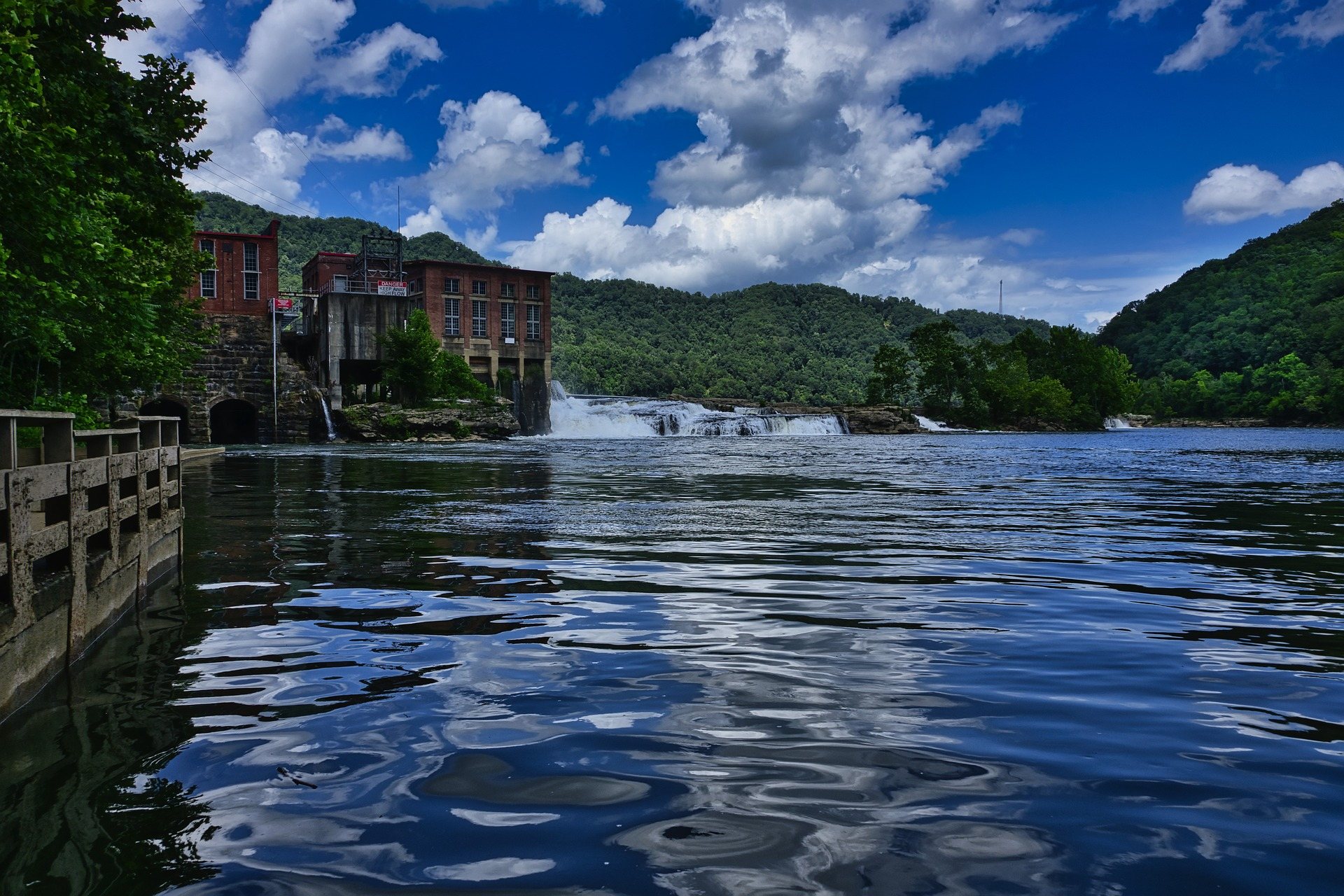
Fishing a 720-acre lake with a 10 hp cap
Beech Fork State Park is built around a 720-acre Corps reservoir, and for most repeat visitors the fishing is the reason to come back. It is a bass lake — the park's own summary is good bass fishing — and the shape of the water is part of why. There are 31 miles of shoreline folded into arms and coves around only 720 acres, a great deal of edge for the surface area. West Virginia's fishing season runs year-round under WVDNR, which administers licensing and regulations, so there is no opening day to wait out. What you wait on in spring is water temperature.
The 10 horsepower limit is the most useful single fact for an angler planning the trip. It rules out fast bass boats, and with them the wake traffic that pushes small craft off the good water on larger reservoirs. What remains is a lake a canoe, a kayak or a small tiller rig can fish properly, and kayak fishing is among the activities the park lists. If your normal method is covering ten miles of water in a day, this is the wrong lake. If it is working one arm slowly and coming back to the same laydown twice, it is close to ideal.
Access is cheap in the literal sense: there is no launch or usage fee. That changes the arithmetic of a short trip, because a two-hour evening session costs only the drive. Bank anglers get a real share of the water as well, since a lake with this much folded shoreline puts structure within reach of the ground in plenty of places. And 99 of the park's campsites are lakefront, which for a camping angler means the first cast happens before the coffee has finished. Boating, flatwater paddling and kayak fishing are listed separately here, but on this lake they overlap almost entirely.
What Beech Fork State Park publishes about the campground
The campground is the park's other headline, and it is genuinely large: 275 campsites spread across four separate areas, making it one of the biggest in the West Virginia state park system. Ninety-nine of those sites are lakefront. That is a strong number in absolute terms and a minority in relative ones — fewer than four in ten — so if being on the water matters to your trip, it is worth sorting out before you arrive rather than after. The park describes the campground as large and well serviced, and RV camping is on its list of activities alongside tent camping.
Two of the four areas, Old Orchard and Lakeview, stay open year-round. That is unusual in this state, where most park camping closes for the cold months, and it means a February or early-March trip here is a real option rather than a phone call that ends in disappointment. Plan any off-season stay around those two areas specifically. The park's operating hours are 8 a.m. to 9 p.m., worth knowing if you are arriving after a long drive, and arriving in daylight is easier than finding a site after dark in a campground spread across four areas.
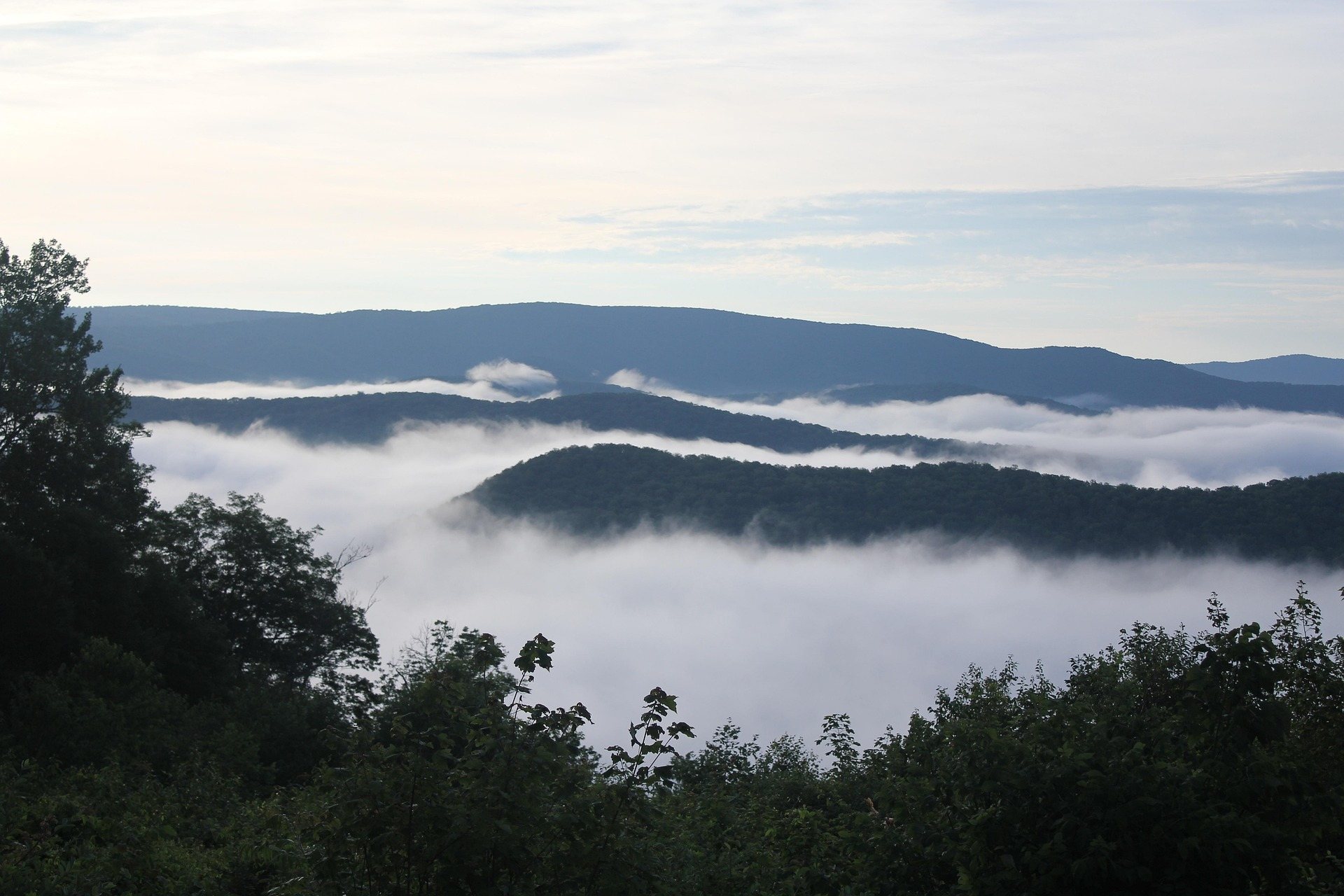
Launching a boat, and renting one
The boat launch is open April to November, with no launch or usage fee. Those two facts together define the boating year: eight months of free access, and four months when getting a hull onto the water is not part of the plan. Anyone thinking about a winter trip should treat this as a bank-fishing and walking lake rather than a paddling one. And because of the 10 horsepower cap, whatever you do launch will be small — this is a small-boat and paddling reservoir by rule, not by a local convention a visitor might get away with ignoring.
Rentals are a narrower window still: Memorial Day to Labor Day, noon to 8. That is the summer core only, and afternoons only. If you want to be on the water at first light in June, or on the lake at all in May or September, the boat has to be yours. Anyone relying on rentals should plan the day backwards from the 8 p.m. close, and remember the park itself shuts at 9 p.m. For a family without gear, that combination — noon start, summer only — is the whole boating plan. A cartop boat solves it permanently, and on a 10 horsepower lake it need not be much of one.
Trails and the overlook above the lake
The hiking here is straightforward. The park's trails are described as easy, and the park does not publish length or elevation-gain figures for them, so treat time on your feet rather than mileage as the planning unit. Easy in West Virginia terms still means wooded slope rather than pavement — roots, leaf litter and short pitches of climbing. Footing after rain is the main consideration, because hardwood leaves on a slope hold water for days. None of that is a shortcoming for what this place is: a lake park where the walking fills the hours between fishing sessions.
The one named viewpoint is Beech Fork Overlook, a ridge walk above the lake ending at a view over the park's own recreation area. Set expectations accordingly — this is a local hike, not a wilderness panorama, and what you are looking at is the campground and the water you fished that morning. The climb is steep at the start and then settles. No published length figure exists for it either, so allow a comfortable margin inside the park's 8 a.m. to 9 p.m. hours, particularly in the short daylight of late autumn.
Disc golf rounds out the on-site options, and hiking, flatwater paddling, boating and fishing are listed together for a reason: nothing here requires leaving the park. A weekend can run entirely between the campsite, the ramp and the ridge. It also means the place absorbs bad weather. When the lake is too cold or too rough for a small boat the walking is still there, and when the trails are running with mud the fishing is still open, because the season never closes and the bank does not care about the weather.
Planning a May trip
May is a good month here and a slightly awkward one. The launch has been open since April, so the water is available and free to get onto. Rentals do not start until Memorial Day, at the very end of the month, and then only from noon to 8, so early and mid-May visitors need their own canoe, kayak or small boat. The upside is a lake carrying neither the rental traffic nor the summer heat, and warming water pushes bass into the shallows, where a paddler working 31 miles of shoreline has the advantage over anyone in a hurry.
Spring rain is the variable. Runoff into a Corps reservoir colors the water and raises it, and the slopes hold moisture after a wet week — an easy trail is still a slick one under wet leaves. If a front settles in, the year-round camping in Old Orchard and Lakeview means the trip gets rearranged rather than cancelled. Fishing season is open regardless, so a rained-out paddling day becomes a bank-fishing day with no change of plan, and 99 lakefront campsites make that a short walk. Late spring is also when new hardwood leaf comes right down to the waterline.
If the park is full: East Lynn Lake
With 275 sites, Beech Fork still books out on holiday weekends, and the nearest equivalent is East Lynn Lake, a 1,005-acre Corps reservoir in Wayne County. It is bigger water than Beech Fork, with a strong bass and crappie fishery and very little traffic on it — one of the quieter big-water options in this corner of the state. East Fork Campground is the main Corps site there. The trade is services for solitude: a Corps campground is a plainer proposition than a state park with rentals and disc golf, and it keeps a fishing trip on flatwater.
East Lynn also comes with far more land around it. East Lynn Lake WMA surrounds the reservoir with more than 23,000 acres of public hunting ground, which opens up walking and hunting alike and makes blaze orange necessary once seasons are underway. For a fishing trip the difference is simple: Beech Fork is the better base if you want a serviced campsite on the water, with a launch open April to November and no fee to use it, and East Lynn is the better lake if what you want is an empty cove.
Reach people planning this trip
Placement alongside guides for outfitters, guides, shops and lodging.
List your business hereQuestions
How big is Beech Fork State Park?
What is the horsepower limit on Beech Fork Lake?
How many campsites does Beech Fork have?
Is there a fee to launch a boat at Beech Fork?
How long is the Beech Fork Overlook hike?
What kind of fishing is Beech Fork known for?
Read next
 Best of
The Best Fishing Spots in West Virginia
Where to fish in West Virginia: trophy trout tailwaters, native brook trout streams, smallmouth rivers, muskie water and how stocking works.
10 min read · April Best of · Metro Valley
The Best Hikes in Kanawha State Forest
Five Kanawha State Forest trails fifteen minutes from downtown Charleston: the mileages, the grades, which allow bikes and where each one starts.
7 min read · May Destination · Metro Valley
Things to Do Outdoors in Charleston, West Virginia
The forest, rivers, riverfront and fishing water within reach of Charleston, and what each one is actually good for.
6 min read