
Every organization we link to: local tourism offices, the state and federal agencies that manage the land, the nonprofits and clubs that keep access open, and the universities doing the research.
West Virginia has roughly 1.5 million acres of public land and a handful of places that carry almost all of the attention. The consequence is that a great deal of very good ground sits nearly empty, usually for one of three reasons: nobody has heard of it, the road in is gated or rough, or it is undeveloped and has nothing to advertise. Those are the places below — of them across regions.
Almost Heaven Swings
The forest fifteen minutes from downtown
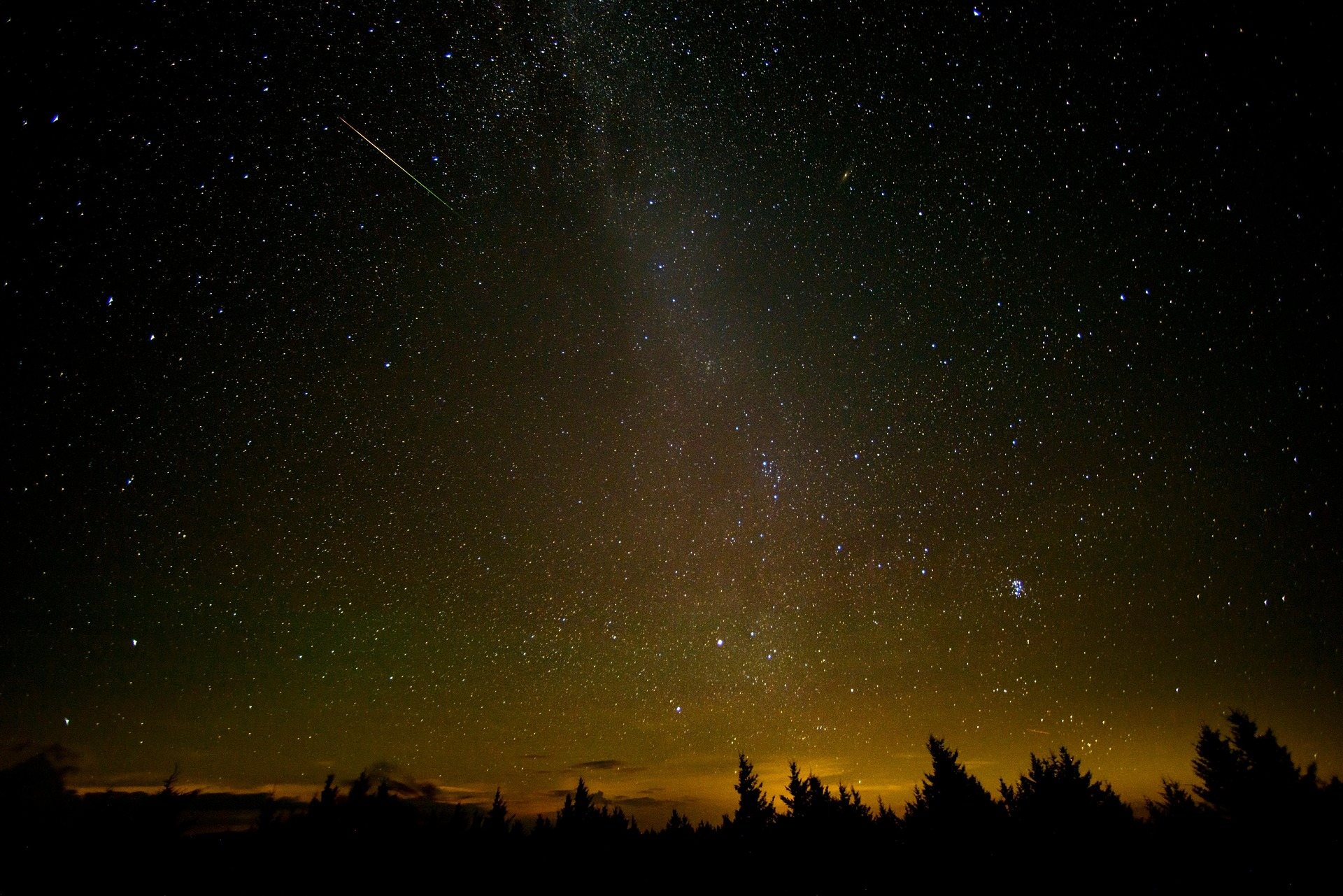
Most of the useful things to do outdoors in Charleston, WV are not in the city at all but within a short drive of it, and Kanawha State Forest is the shortest of those drives. It covers 9,300 acres of steep, wooded hollow fifteen minutes from downtown — seven miles, by the agency's own measure — and holds a well-known mountain bike network, a swimming pool and a campground alongside its trail system. For a forest this close to a state capital it contains a surprising amount of real backcountry, and the terrain is genuine hollow-and-ridge country rather than a landscaped city park with a path through it.
The single best reason to go is birds. Spring migration here is exceptional, and Cerulean and Kentucky warblers breed in the forest, which is not something most cities can offer inside a quarter-hour drive. Riders should know that Davis Creek and the ridge trails carry the best riding, and that the forest publishes which trails are foot-only and which allow bikes — a rare courtesy in this state and worth checking before you unload. Hunting is permitted in season on much of the forest, so autumn visitors need to know what is open before they pick a hollow to walk in.
The Coal River, south of the city
The Coal River Group maintains an 88-mile water trail on the Big Coal, Little Coal and main-stem Coal rivers south of Charleston, with maintained access points, mapped mileages and signage. The water is warm, slow and rated Class I, which makes it the family float closest to the capital and an easy first river for anyone who has never paddled moving water. The most-used section is the meander through Tornado and St. Albans, and the group publishes the most current access maps — worth checking before you drive out, because these are the people who put the access in and keep it there.
The group rents canoes and kayaks for the Tornado to St. Albans float, and that rental season runs May through September. One caution matters more than the rest: the rentals are paddle craft only, no tubes, and the season dates shift year to year, so confirm before making the trip. Levels drop in late summer, though most sections stay floatable even then. Fishing from the boat is a large part of the appeal here — the water holds good smallmouth and catfish, which is why locals keep a rod in the canoe rather than choosing between the two activities.
Riverfront and river trail in town
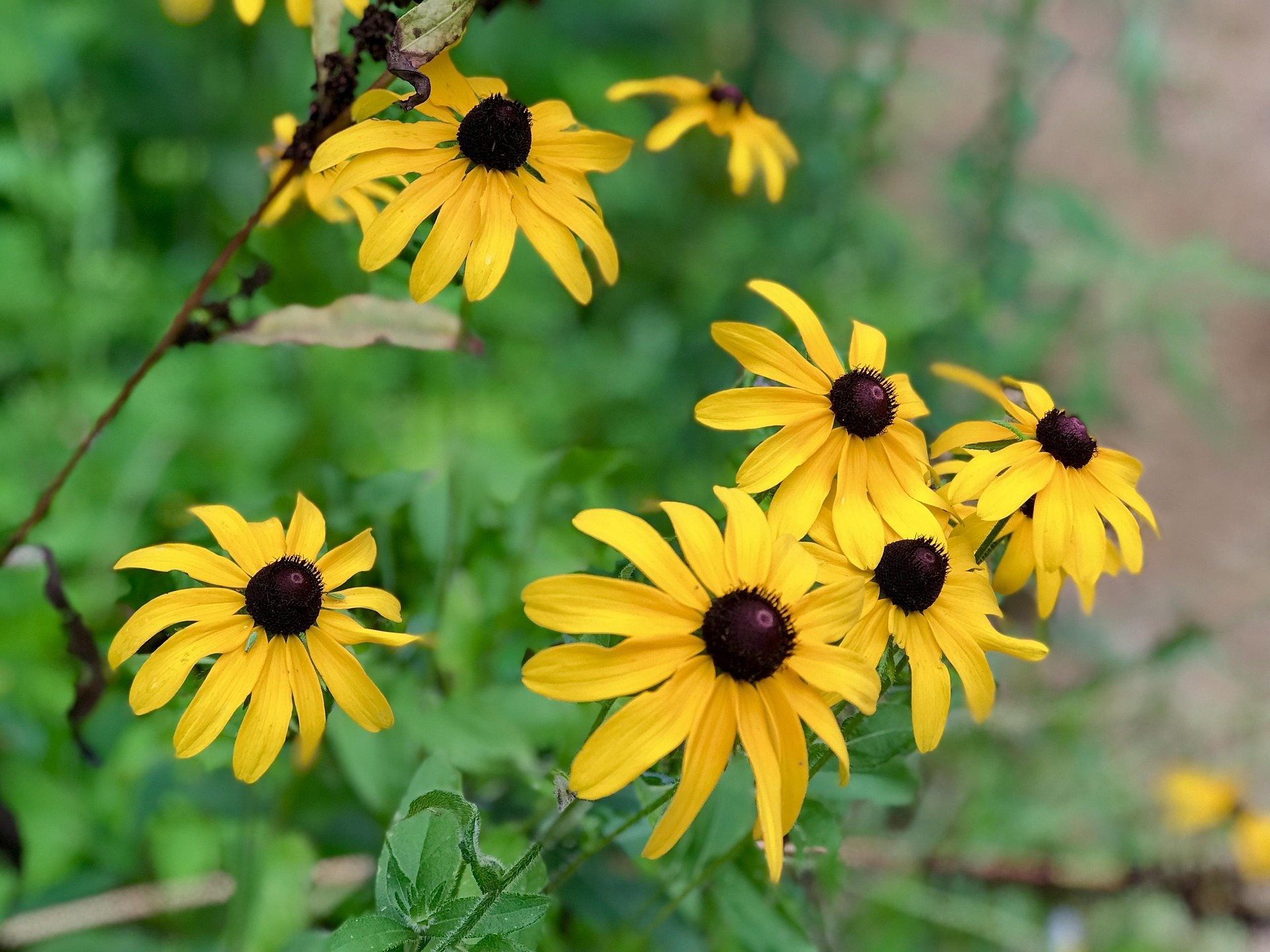
The Kanawha River is the reason Charleston is where it is, and the river trail and riverfront access in the city and downstream in St. Albans are the flat, close-to-home end of the region's recreation. This is the walking, running and evening-hour end of the inventory rather than a destination in itself — a path along a big working river, with the barge traffic and the bridges as the view. It is genuinely useful if you live here and largely incidental if you have come from out of state for a weekend, and it is honest to say so.
Charleston and Huntington give this region two major city river systems between them, which is unusual in West Virginia and is the product of decades of cleanup on rivers that were industrial working water first. The practical value of the in-town riverfront is that it does not depend on weather windows or water levels the way the float trips do — alone among the things to do outdoors in Charleston, WV, it needs no shuttle, no boat and no season. When the Coal is too low or the forest trails are slick, the riverfront still works, which is more than most of this list can claim.
Kanawha Falls and fishing near the city
Upriver from the city at Glen Ferris, the New and the Gauley join to form the Kanawha, and the wide ledge falls there is one of the best-known bank fishing spots in the state. Access is roadside, which is the whole point — you can be standing on fishable water minutes after parking, with a historic inn across the highway. The fish are hybrid striped bass, walleye and catfish, and the falls rank among the best hybrid striper spots in West Virginia. The caution is serious: the current below the falls is strong, and in most conditions this is bank fishing only.
Fishing statewide runs year-round, and the water around Charleston covers three of the four categories West Virginia is known for — smallmouth in the warm rivers, largemouth and muskie in the reservoirs, and walleye and catfish on the big rivers. Only cold-water trout fishing sits well outside this valley; the marquee trout rivers are the Elk, Cranberry, Williams and Cherry. WVDNR administers licensing and regulations, and a trout stamp is required in addition to a license on stocked trout waters. WVDNR also posts each day's stockings only by the end of that business day, never in advance.
Birding and nature study
The birding is the strongest nature-observation draw close to Charleston, and it is concentrated in the spring migration through Kanawha State Forest, where the warblers that breed on site make a two-hour morning worthwhile. Beyond the birds, the structured way to learn West Virginia ecology is the Master Naturalist program, and the West Virginia Native Plant Society provides the other organized route in. Both are the sort of thing that turns a hollow you have walked a dozen times into something you can actually read, which is a different kind of return than a new trail gives you.
The state's headline botanical sites are elsewhere. The sphagnum bog communities at Cranberry Glades, isolated since the last glaciation and holding carnivorous sundew and pitcher plants, are reached by a boardwalk that gives access without damaging the bog, and the shale barrens with their endemic and disjunct species are in the eastern counties. From Charleston those are trips rather than outings, and worth planning as such. What is genuinely local is hardwood forest, warm river, creek bottom, and the migration that moves through all three of them every spring — which is enough to keep a notebook busy without ever leaving the county.
Things to do outdoors in Charleston, WV by season
Spring is the best window and it is not close: the Coal River Group's rental season opens in May, the warbler migration peaks in the forest, and water levels are still high enough that the water trail floats comfortably. Summer works, with the caveats that Coal River levels drop in late summer even though most sections stay floatable, and that the state forest's swimming pool becomes the reason plenty of families go at all. Autumn shifts the balance to the trails and the hardwood color, with the reminder that hunting is permitted in season across much of the forest.
Winter leaves the in-town riverfront, the Kanawha River access and the bank fishing at the falls, all of which are open water and open path rather than seasonal programs. The Coal's published water trail season runs April through October, so a winter float is not what that trail is set up for. Further south, the Guyandotte Water Trail Alliance is developing a similar system, which will eventually give the region a second organized paddling route. Water trail groups are also the best local source for hazard and cleanup information, and they are worth contacting before a first trip rather than after.
Reach people planning this trip
Placement alongside guides for outfitters, guides, shops and lodging.
List your business hereQuestions
What is the closest place to hike near Charleston, WV?
Where can you paddle near Charleston?
Can you rent a kayak or canoe near Charleston?
Where is the best fishing close to Charleston?
When is the best time for birding near Charleston?
Is there anything to do outdoors in Charleston in winter?
Read next
 Best of · Metro Valley
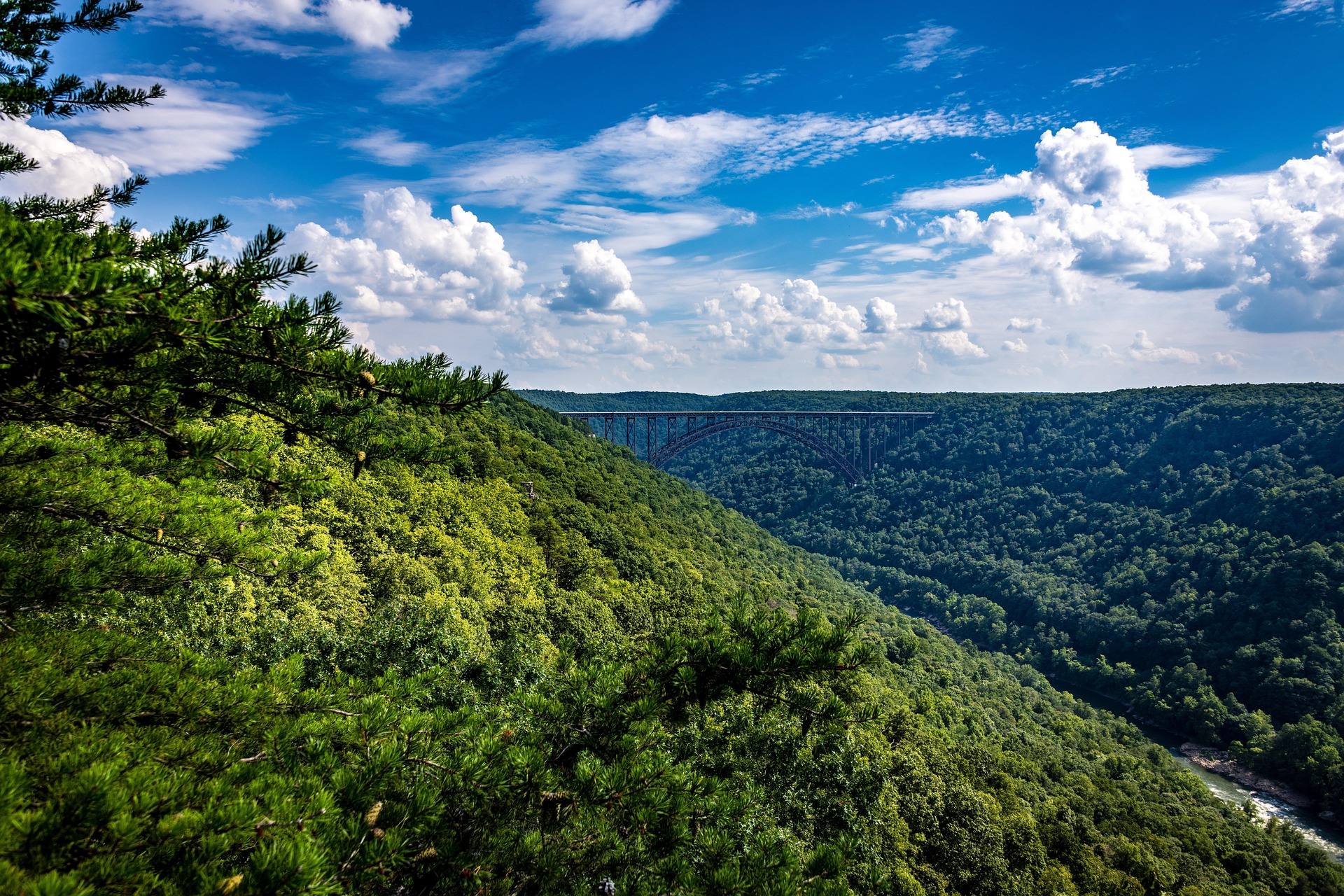
The Best Hikes in Kanawha State Forest
Five Kanawha State Forest trails fifteen minutes from downtown Charleston: the mileages, the grades, which allow bikes and where each one starts.
7 min read · May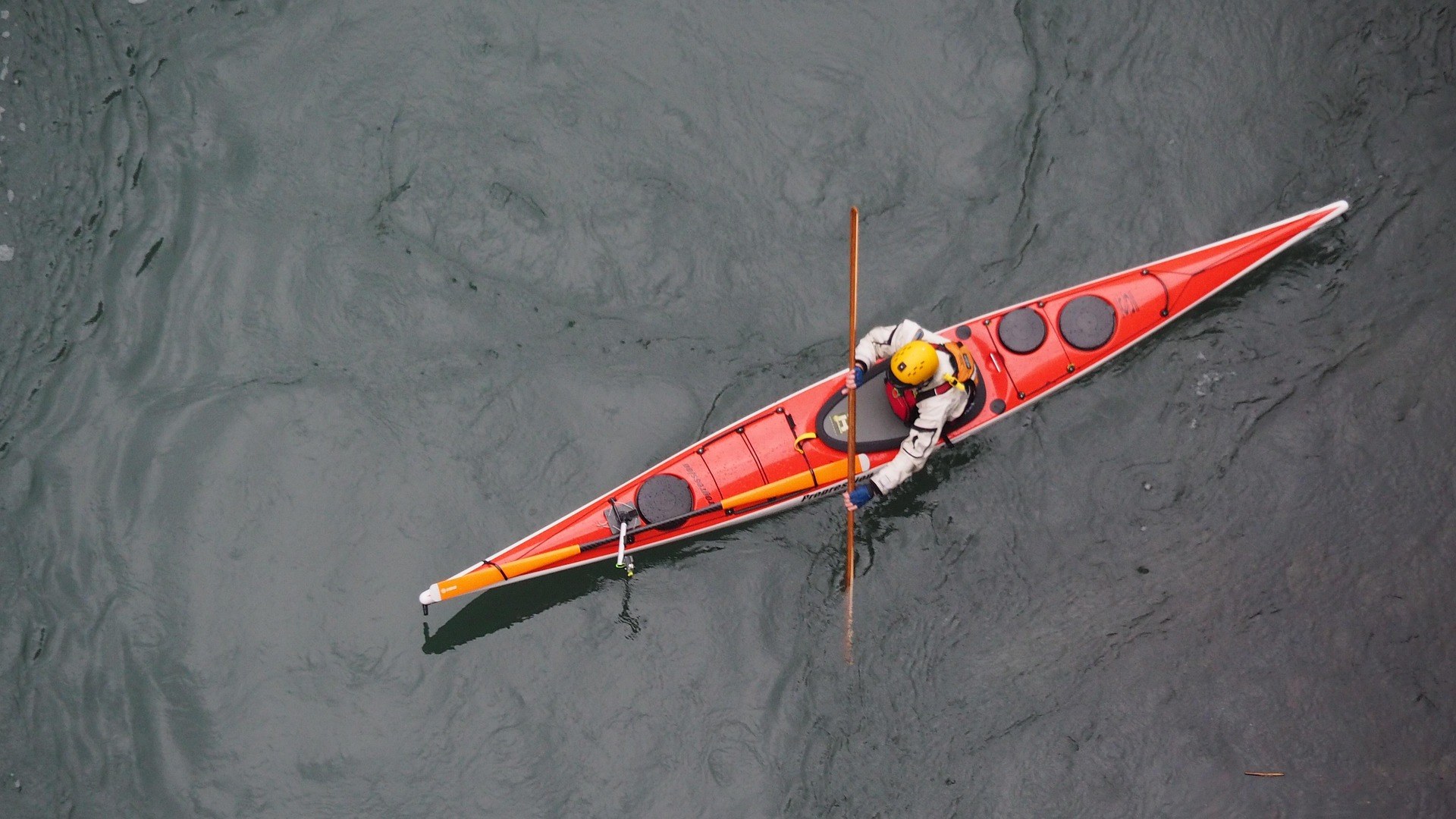 Guide · Metro Valley
Paddling the Coal River Water Trail
How the 88-mile Coal River Water Trail fits together branch by branch, which reach to paddle first, what the rentals are, and when the water drops.
6 min read · June
Destination · Metro Valley
Things to Do Outdoors in Huntington, West Virginia
Lakes, forests and in-town green space around Huntington: Beech Fork, East Lynn, Cabwaylingo and the greenway, with what each is best for.
7 min read