
Every organization we link to: local tourism offices, the state and federal agencies that manage the land, the nonprofits and clubs that keep access open, and the universities doing the research.
West Virginia has roughly 1.5 million acres of public land and a handful of places that carry almost all of the attention. The consequence is that a great deal of very good ground sits nearly empty, usually for one of three reasons: nobody has heard of it, the road in is gated or rough, or it is undeveloped and has nothing to advertise. Those are the places below — of them across regions.
Almost Heaven Swings
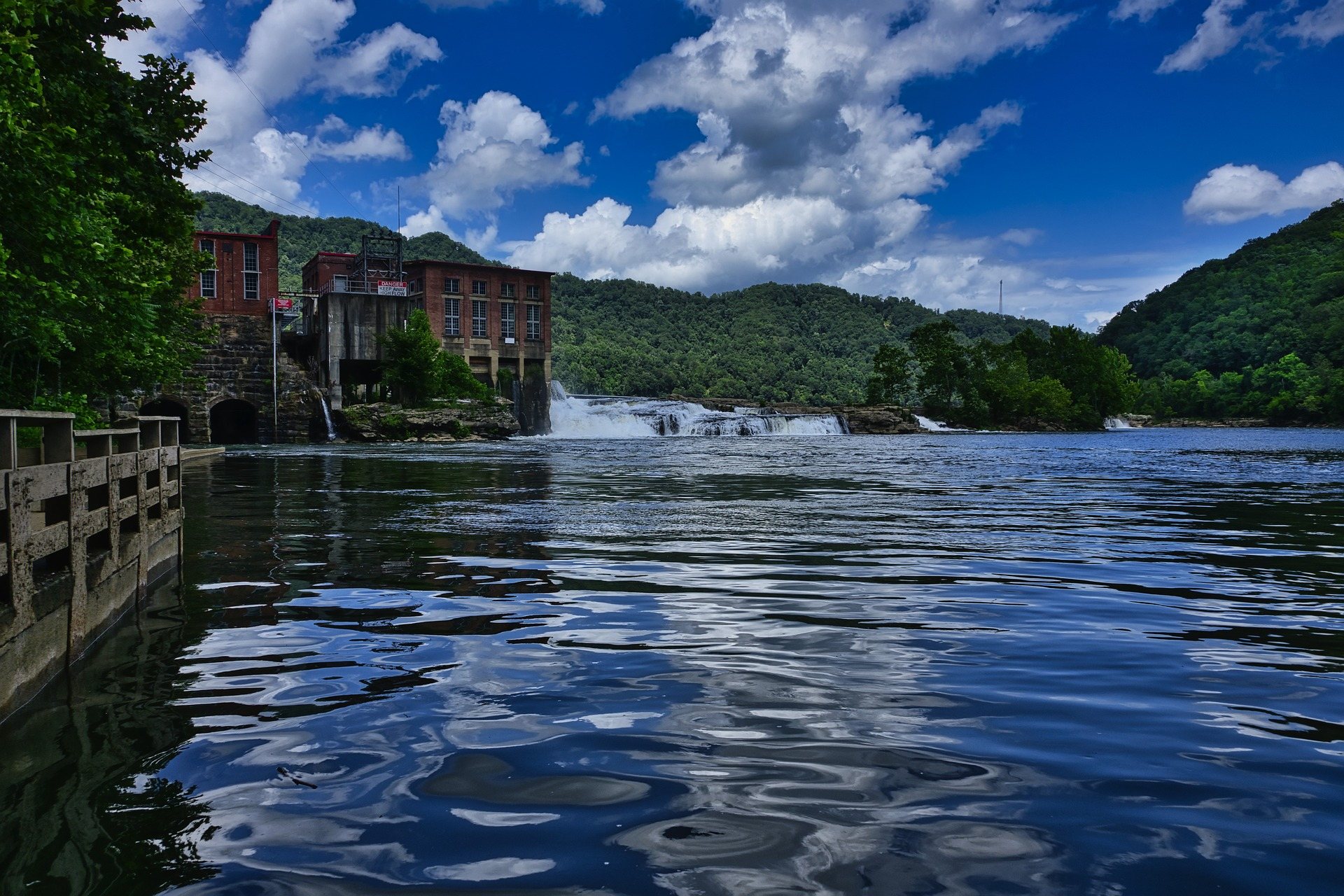
Where these two lakes sit
Laurel Lake, West Virginia, fishing is bank and small-boat fishing on 29 acres of warm water, and the wildlife management area around it is what makes the drive worth taking. That WMA runs 12,854 acres of Mingo County hillside, managed by WVDNR for hunting, fishing and primitive camping, and it is quiet in a way that popular reservoirs are not. R.D. Bailey Lake lies in the same cluster of southern counties — Logan, Mingo, McDowell, Wyoming and Boone — and is likewise a warm-water fishery rather than a trout lake. Both sit in coal country, where the roads follow the hollows and the drive to a ramp takes longer than the mileage implies.
The practical difference between them is scale. Laurel Lake is small enough to fish from the bank in an afternoon and to paddle end to end, which is why WVDNR lists flatwater paddling among its uses along with fishing, hunting, hiking and birding. R.D. Bailey is the larger impoundment and behaves like a reservoir: wind matters, a motor helps, and the water has arms worth exploring. No agency-published surface acreage for R.D. Bailey appears in the records this site works from, so it will not give you one — check any figure you see quoted for it against the managing agency.
What the fishing at Laurel Lake, West Virginia, is like
This is warm-water fishing, and it is worth being clear about that before you load the truck. West Virginia's reputation rests on trout in cold mountain water, and the marquee trout rivers — the Elk, Cranberry, Williams and Cherry — are hours north and east of here. What the southern coalfields offer is the other half of the state's fishing: smallmouth in the warm rivers, largemouth and muskie in the reservoirs, and walleye and catfish on the big rivers. Laurel Lake and R.D. Bailey belong to the reservoir end of that list, and both are described in the state's own summaries as quiet warm-water fishing rather than destination water.
Quiet is the actual product. Neither lake draws the crowds that the bigger reservoirs and rivers pull in, and the WMA setting means the shoreline stays undeveloped. Fishing in West Virginia runs year-round, so there is no closed window to work around, but May suits these lakes best. Warm-water species are shallow and active in late spring, the water has not reached its midsummer temperatures, and the hunting seasons that share this ground are months away in either direction. Summer afternoons in these narrow valleys get hot and still, which pushes fish deeper and the fishing earlier.
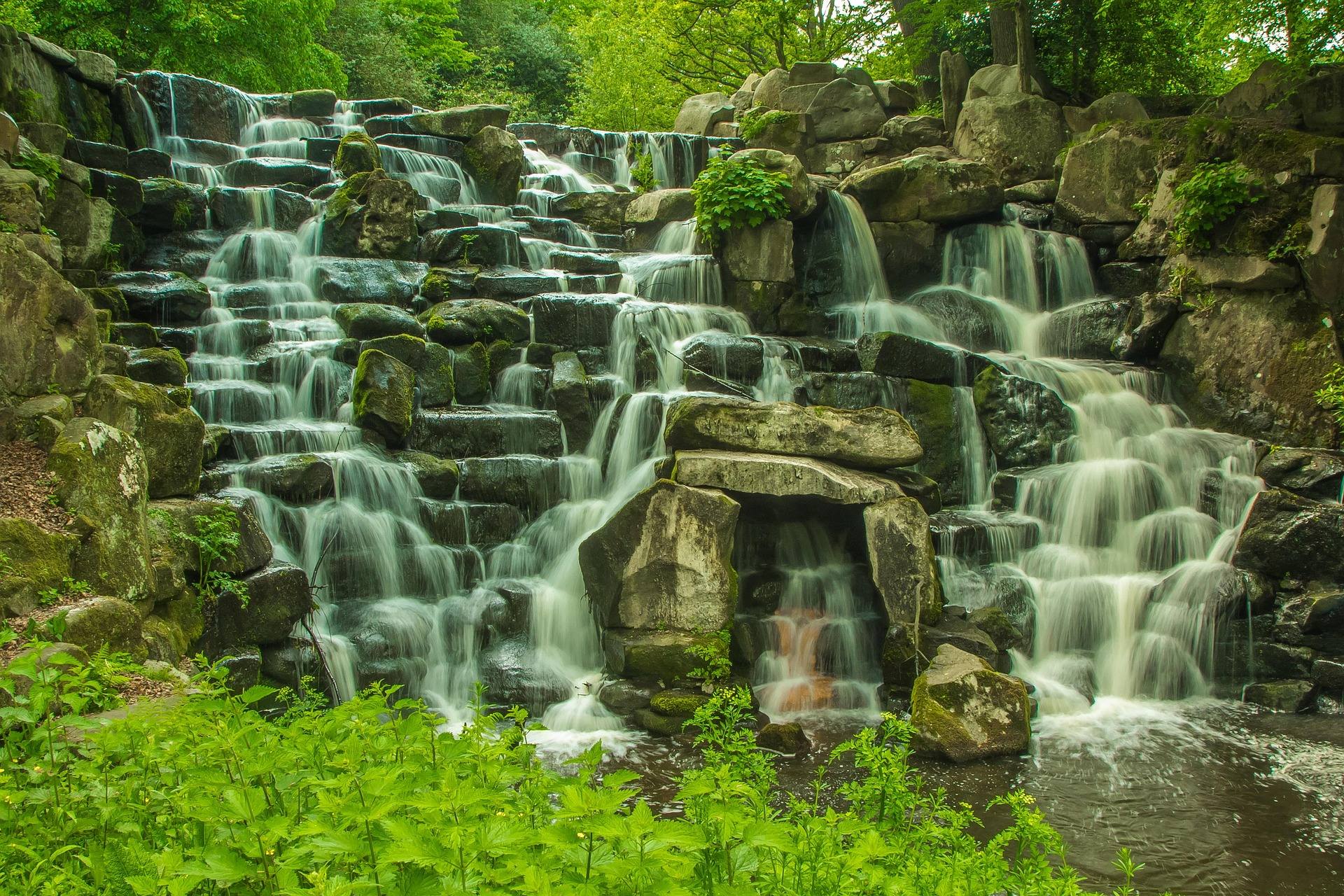
What WVDNR publishes about Laurel Lake, and what it does not
The agency record for Laurel Lake Wildlife Management Area is short: 12,854 acres of WMA, a 29-acre lake, warm-water fishing, public hunting, primitive camping at designated sites, and a caution to wear blaze orange during autumn and winter seasons. That is the whole published picture. There is no stocking schedule, no species list, no boat ramp count, no horsepower restriction and no fee table in it. This site does not fill those gaps with estimates, so treat any of those details you find elsewhere as unconfirmed until WVDNR states them.
That has a straightforward consequence for planning. Call or check with WVDNR about the two things most likely to change your day — whether a launch is usable for the boat you intend to bring, and whether any motor restriction applies on a lake this small. A 29-acre lake is the size where electric-only rules are common, but common is not the same as published, and the difference decides whether you bring an outboard or a paddle. Everything else on a lake this size you can work out on arrival by walking the bank.
Licenses, the trout stamp and finding out about stockings
WVDNR administers licensing and regulations statewide, and it runs one of the most extensive trout stocking programs in the East. A fishing license covers you for the warm-water species that make up the fishing at both of these lakes, and it is the only permit the fishing here calls for. A trout stamp is required in addition to a fishing license on stocked trout waters, so if your trip takes in stocked trout water elsewhere in the state on the way in or out, buy the stamp before you leave home rather than discovering the requirement standing at the water with a rod in your hand.
The stocking information matters even to warm-water anglers because of how the agency releases it. WVDNR posts each day's stockings by the end of that business day and does not release the schedule in advance. There is no way to know where the trucks are going next, only where they have been, and anyone offering you next week's stocking plan is guessing. For a trip built around these two lakes it is a minor point, but it is the most useful thing to understand about fishing information here: check the daily list, and never build a drive around a rumored stocking.
Small water, small boats
At 29 acres, Laurel Lake is canoe and kayak water. Flatwater paddling is one of the uses WVDNR lists for the WMA, and a lake this size can be crossed and recrossed in a morning, which makes it a reasonable place to fish from a boat you carried to the water yourself. Small water also rewards patience over coverage. On a lake you can see across, structure near the bank, inflows and shade lines are the whole game, and there is no benefit to running from spot to spot. A float tube or a car-top boat gets you everything a bigger rig would.
R.D. Bailey is where a trailered boat earns its keep, since a larger impoundment gives you arms and depth changes to work through and enough distance that wind and light matter to where you fish. Because no agency figures for its size, ramps or restrictions appear in the records this site draws on, plan that half of the trip with current agency information in hand. If you only have a paddle, Laurel Lake is the more reliable of the two: the water is small, sheltered by the hills, and the whole shoreline is public.
Camping at the lake
Primitive camping is permitted at designated sites at Laurel Lake WMA, which is the cheapest way to fish two mornings in a row without driving back out of the hollow in between. Designated means designated — the permission covers the sites WVDNR marks, not any flat spot along the shoreline that looks inviting at dusk. Come self-contained. A primitive WMA site means no hookups and, in most cases, no water on site, so carry drinking water in with you, and remember that the surrounding country is not somewhere to plan a late supply run.
For a group that wants a roof, there are conventional bases in the same counties, including Twin Falls Resort State Park in Wyoming County and, further west, Cabwaylingo State Forest, an 8,123-acre forest in Wayne County whose 1930s CCC cabins are its main lodging. Booking channels split by owner: state park and forest campgrounds and cabins go through the state park system, with sites opening a year out and popular parks filling fast for summer weekends, while federal campgrounds are reserved through Recreation.gov. Corps of Engineers lakeside campgrounds are consistently underrated, and The Dyrt, Hipcamp and Campendium cover the private and dispersed gaps.
Autumn and winter: sharing the ground with hunters
Laurel Lake is a wildlife management area first, and that changes the calculation for anyone fishing it outside summer. WVDNR's published guidance for the area is to wear blaze orange during autumn and winter seasons, and it applies to anglers walking the bank and to campers at the primitive sites, not only to hunters. Hunting seasons overlap the best autumn weather in West Virginia, and on a WMA that overlap is the normal condition. Orange clothing and a preference for the water over the ridges are what keep an autumn trip here uneventful.
The fishing itself holds up in cool weather because the season never closes, and a warm-water lake in October is a quieter place than the same lake in July. Bank access is easier once the leaves are down and the vegetation has died back, and the coalfield hardwood turns through October, which is reason enough to make the drive in autumn rather than midsummer. If you would rather avoid the hunting overlap altogether, the answer is the month this guide points at: late spring, when the fish are shallow, the water is warming, and nobody else is on the lake.
Reach people planning this trip
Placement alongside guides for outfitters, guides, shops and lodging.
List your business hereQuestions
How big is Laurel Lake?
What can you catch at Laurel Lake and R.D. Bailey?
Do I need a trout stamp?
When is the fishing season?
Can you camp at Laurel Lake?
How do I find out where trout have been stocked?
Read next
 Destination · Southern Coalfields
The Hatfield-McCoy Trails
A guide to the Hatfield-McCoy Trails: the individual trail systems, permits, difficulty, ATV-friendly towns and how the network is organised.
8 min read Destination · Southern Coalfields
Things to Do in Gilbert, West Virginia
A rider's survey of Gilbert, West Virginia: street-legal riding, Hatfield-McCoy permits, elk country nearby, and where to sleep and fish.
7 min read
Guide · Southern Coalfields
Riding the Rockhouse Trail System
How riding Rockhouse works: what the tread is like, the permit every rider needs, the street-legal trail towns it links, and where to sleep.
6 min read · September