
Every organization we link to: local tourism offices, the state and federal agencies that manage the land, the nonprofits and clubs that keep access open, and the universities doing the research.
West Virginia has roughly 1.5 million acres of public land and a handful of places that carry almost all of the attention. The consequence is that a great deal of very good ground sits nearly empty, usually for one of three reasons: nobody has heard of it, the road in is gated or rough, or it is undeveloped and has nothing to advertise. Those are the places below — of them across regions.
Almost Heaven Swings
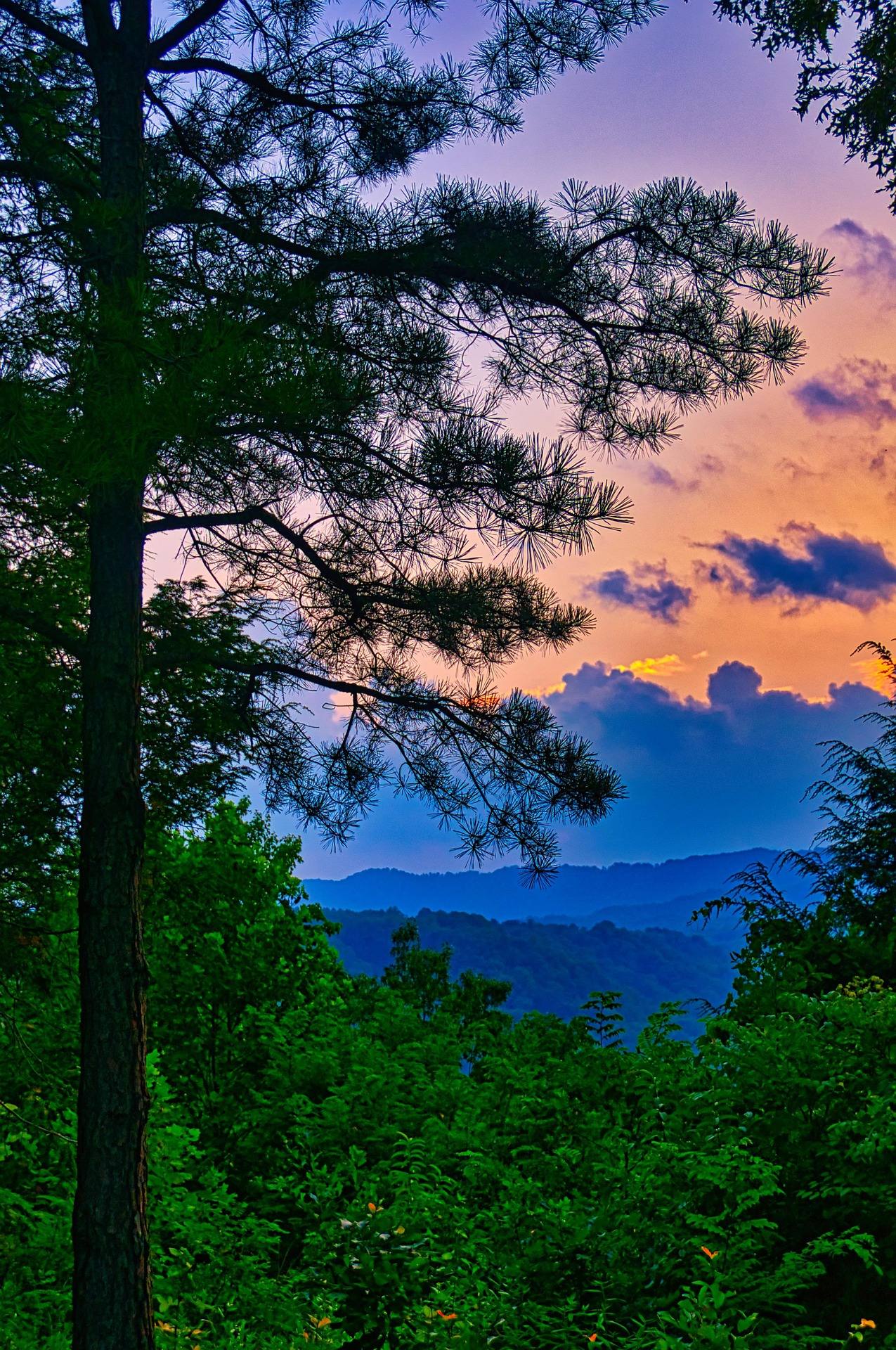
The answer is no, and it is set in state code
West Virginia charges no admission at any of its state parks or state forests. Day use is free at all 35 parks and all 9 forests, the policy dates to the founding of the system, and it sits in state code rather than being left to each park to decide. West Virginia is one of a small number of states that charges nothing to enter anywhere in its park system.
The same holds for walking. No permit is required to hike on state park, state forest or Monongahela National Forest trails. WVDNR manages the state system, and free entry is one of the few rules that applies uniformly across a roster running from a four-acre historical park to a state forest of more than 12,000 acres.
So the planning question is not what the gate costs. It is which services you intend to use once you are inside, because that is where the money is, and some of them book out long before you would think to call.
What actually carries a charge
Fees apply to specific services: camping, cabins, lodge rooms, swimming pools, golf and equipment rental. Roughly two dozen parks and forests operate campgrounds, with sites ranging from full hookups to primitive, and more than ten parks rent cabins. Entering the grounds triggers no payment; using the infrastructure does.
Ten parks run full lodges with restaurants and conference space: Pipestem, Canaan Valley, Blackwater Falls, Cacapon, Twin Falls, Hawks Nest, North Bend, Tygart Lake, Stonewall Jackson and Chief Logan. Pipestem has the largest lodging operation in the system, including a lodge reachable only by aerial tram, and Canaan Valley Resort is the only state park with lift-served downhill skiing.
The other end of the range costs less because it offers less. Kumbrabow and Seneca state forests rent cabins with no electricity, and Calvin Price State Forest has no facilities at all. Much of the system was built by the Civilian Conservation Corps between 1933 and 1942, and several of those timber cabins are still rented, so ask what a specific cabin includes before comparing two rates.
Cabins and campsites are where the pressure sits
Cabin bookings open a year in advance, and the popular parks fill fast. Babcock, Blackwater Falls and Watoga are the names that go first, filling for summer weekends and for all of October within days of the window opening. Free admission does not help much if there is nowhere to sleep.
State park and state forest campgrounds reserve through the West Virginia State Parks system, generally up to a year ahead. That is a separate queue from the federal one, and knowing which queue you are in saves an afternoon of looking in the wrong place.
Where a fee does appear: federal land
Some federal recreation sites do charge. Corps of Engineers day-use areas and a handful of national forest recreation areas take a modest fee at the gate or by envelope, so a day that starts on state land and ends at a Corps lake is not uniformly free. The America the Beautiful pass covers federal day-use fees where they apply.
Camping reservations split the same way. Monongahela National Forest campgrounds, National Park Service sites and Corps of Engineers campgrounds all reserve on Recreation.gov, while the state runs its own system. Neither honors the other's booking, and the lead times are not the same.
This site does not publish current fee amounts for individual federal sites, and they vary between them. Check the managing agency for the specific recreation area you are driving to, and carry the federal pass if you already own one.
Free entry does not make parks and forests interchangeable
State forests are managed for timber, wildlife and watershed alongside recreation, and most permit hunting in season. Kanawha, Coopers Rock, Cabwaylingo, Panther, Seneca, Kumbrabow, Greenbrier and Calvin Price all allow hunting under WVDNR regulations. State parks generally do not.
That difference shows up on a free autumn walk. Wear blaze orange from October through January on any public land outside state parks, and put orange on the dog. In those months the parks are the quieter option if you would rather not share a ridge with hunters.
Camping rules diverge too. Dispersed camping is not permitted in state parks, so free day use does not extend to sleeping on the ground somewhere in the woods. A campsite inside a park is a paid booking, and dispersed camping means going to the national forest instead.
Rides, and the days that genuinely cost nothing
Equipment rental and lodging are fee categories, so treat the things you ride as tickets rather than admission. Hawks Nest, 276 acres, uses a tram to reach the river. Pipestem's tram covers a 1,100-foot descent. Cass Scenic Railroad runs Shay locomotives from a town founded in 1901 toward Bald Knob at 4,842 feet, and Blennerhassett Island, 500 acres, is reached by sternwheeler. This site publishes no ticket prices or operating schedules for any of them, so confirm both with the park.
Everything else on the roster is a free walk in. Beartown is 110 acres with a half-mile boardwalk. Cathedral protects 133 acres of old growth with hemlocks over 90 feet. Blackwater Falls drops 57 feet of amber water at the head of an eight-mile canyon. Droop Mountain preserves an 1863 battlefield and has been a park since 1928, and Carnifex Ferry covers 156 acres around an 1861 battle.
Longer free days are easy to find. Kanawha State Forest holds more than 25 miles of trail across 9,300 acres, 15 minutes from Charleston. Coopers Rock stands 1,200 feet above the Cheat with hundreds of boulder problems. Watoga, the largest state park at 10,100 acres, is an International Dark Sky Park. The Almost Heaven Swings at park and forest overlooks are free as well, first come first served, with no booking.
Reach people planning this trip
Placement alongside guides for outfitters, guides, shops and lodging.
List your business hereQuestions
Do you have to pay to get into a West Virginia state park?
Do you need a pass or permit for West Virginia state parks?
What do you actually pay for at a West Virginia state park?
Can you hunt in West Virginia state parks and forests?
Read next
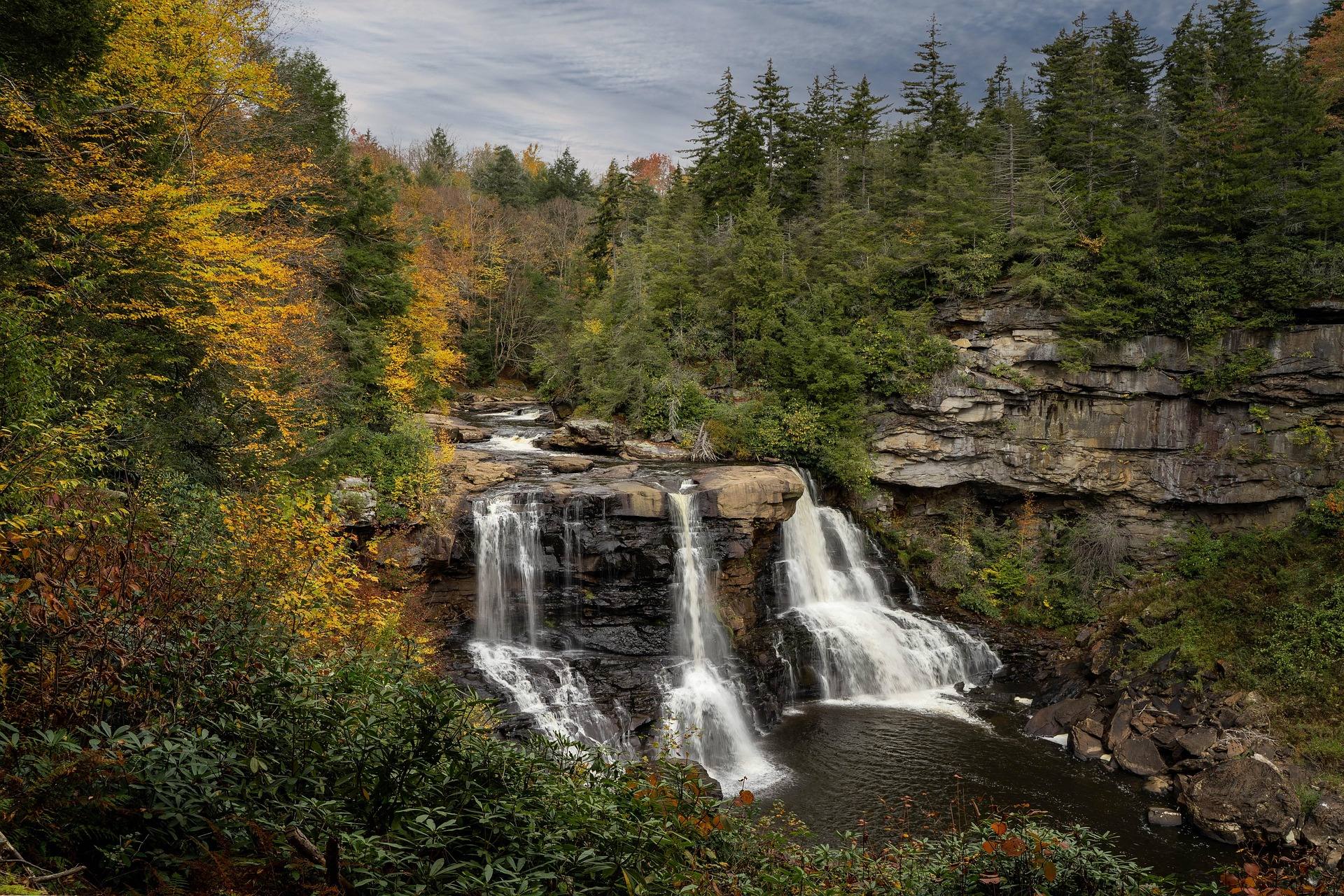 Destination · Potomac Highlands
Blackwater Falls State Park
A complete guide to Blackwater Falls State Park: every waterfall and overlook, Lindy Point at sunset, the trails, lodging and the best season to visit.
8 min read · October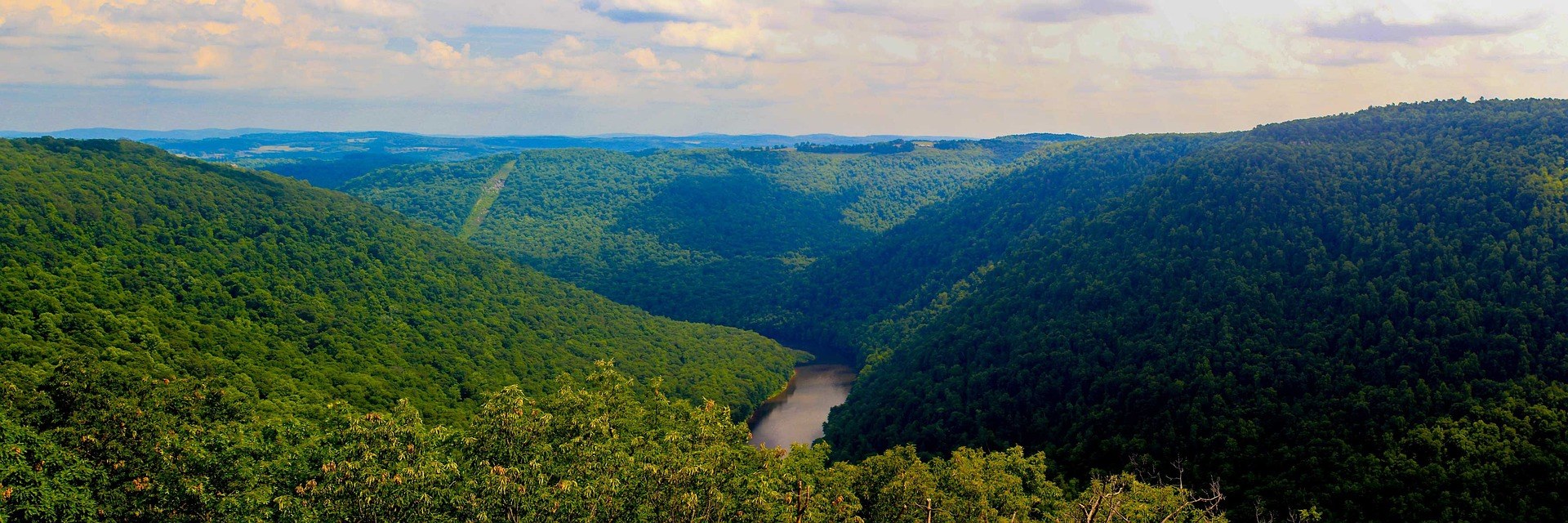 Best of · Mountaineer Country
The Best Hikes at Coopers Rock State Forest
All six Coopers Rock trails with the state's own mileages and ratings, where each one starts, and which walk replaces the closed overlook.
8 min read · October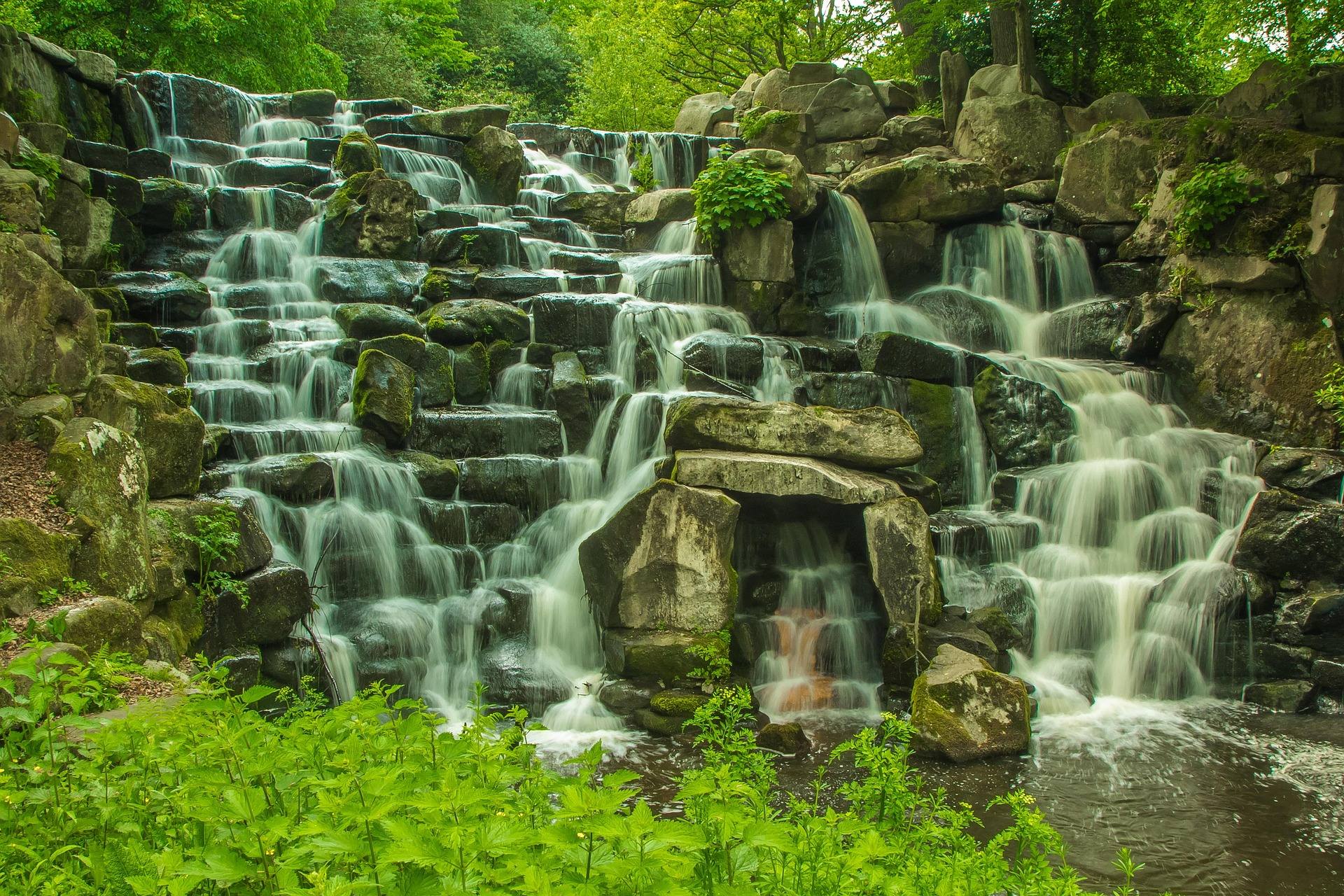 Destination · Southern Coalfields
Twin Falls Resort State Park: A Complete Guide
What the state park publishes about Twin Falls Resort State Park: the 1.25-mile Falls Trail, three ridge loops, sunset from Still Run Ridge, and camping.
7 min read · June