
Every organization we link to: local tourism offices, the state and federal agencies that manage the land, the nonprofits and clubs that keep access open, and the universities doing the research.
West Virginia has roughly 1.5 million acres of public land and a handful of places that carry almost all of the attention. The consequence is that a great deal of very good ground sits nearly empty, usually for one of three reasons: nobody has heard of it, the road in is gated or rough, or it is undeveloped and has nothing to advertise. Those are the places below — of them across regions.
Almost Heaven Swings
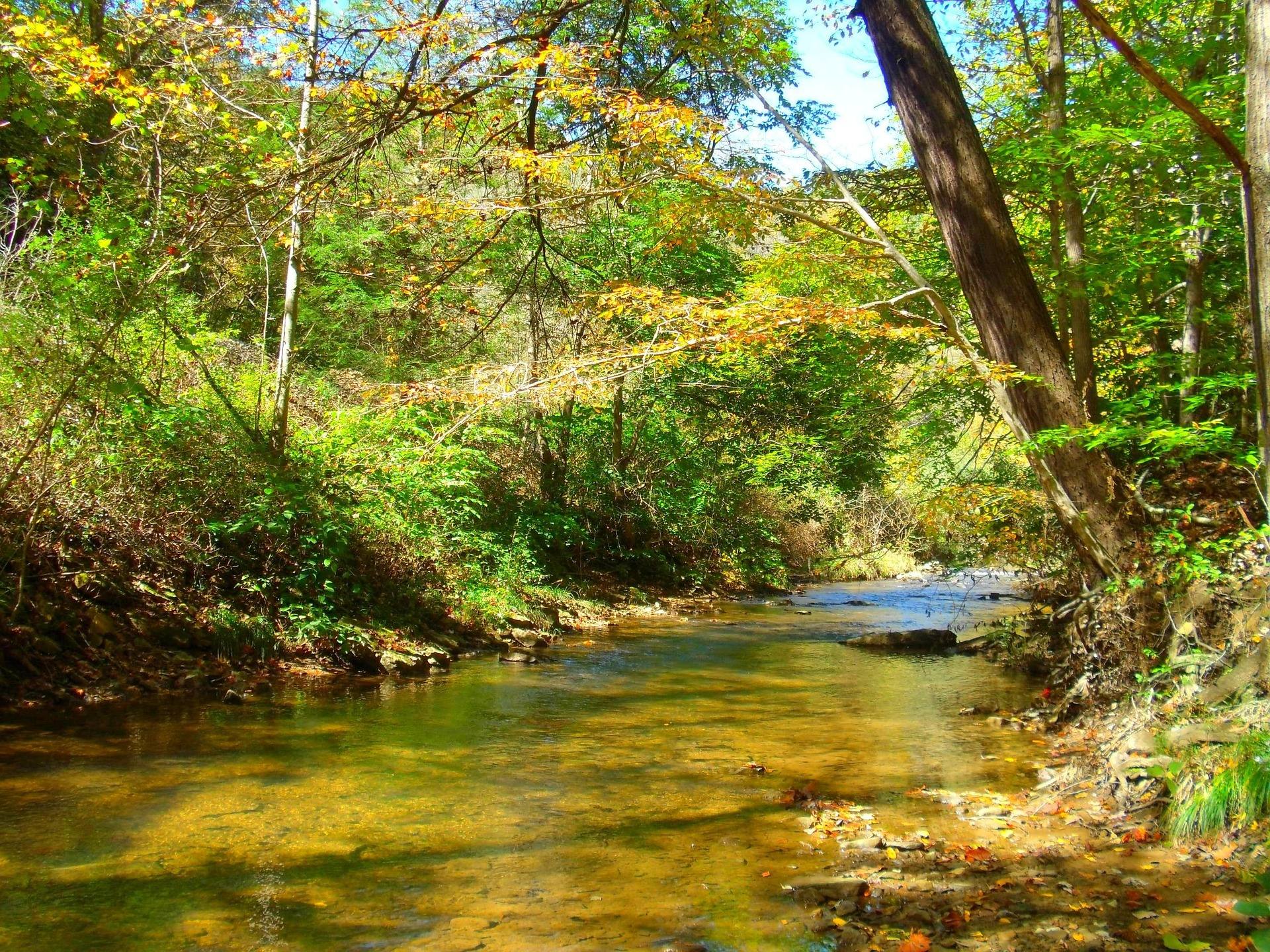
A forest named for four county lines
Cabwaylingo covers 8,123 acres in Wayne County, and its name is stitched together from the four counties whose borders it sits against. It is among the least-visited units in the West Virginia state park and forest system, which is the single most useful thing to know before you go.
That is a strange thing to find in this part of the state. The Metro Valley region takes in the Kanawha and Guyandotte valleys around Charleston and Huntington and holds the largest share of West Virginia's population, and most recreation here is concentrated on restored city rivers and close-in public land. Cabwaylingo is the other kind of place: a large block of quiet timber within reach of the same population.
Nothing in this record gives drive times or highway routes to the forest, so plan the approach from a current map. The state park system publishes the forest's own information at wvstateparks.com.
The CCC cabins are the lodging
Rustic cabins built by the Civilian Conservation Corps in the 1930s are the main lodging on the forest. They are the reason a lot of people book here rather than at a modern park, and they are old buildings, not resort units.
How many cabins there are, what each one sleeps, what they cost and which months they are open are not published in this record. Those are exactly the details a booking depends on, so get them from the forest or from the state park system before you plan a trip around a cabin. Do not assume year-round availability.
What is known about the campground
The campground sits alongside the cabins, so tents and trailers have a place on the forest as well. Because Cabwaylingo is so lightly used, a summer weekend here is a different proposition than a summer weekend at a busy state park with a lake and a pool.
Site counts, hookups and season dates are not in this record. Neither are reservation rules or fees. Call the forest and confirm all of it, particularly if you need electric service or you are arriving outside the core summer months.
Trout in the Twelvepole Creek tributaries
Trout are stocked in the Twelvepole Creek tributaries that drain the forest, and that stocking is why most anglers make the trip. It also means the fishing here is tied to a schedule rather than to a resident population you can count on any week of the year.
Which streams receive fish, and when, changes from year to year. WVDNR publishes the current stocking schedule and handles licensing, so check both before you load the car. This record does not name individual stocked streams or say how many are stocked.
Staying in a cabin or at the campground puts you inside the drainage, which is the practical argument for basing here: you can be on the water early without driving in from a town.
The fire tower and the 1930s footprint
A fire tower stands on the forest, and along with the cabins it is the most-cited reason to visit. This record does not say whether the tower is open to climb, how tall it is, or what it looks out over, so treat those as questions for the forest office rather than as settled facts.
The rest of the CCC footprint is easier to read on the ground. The 1930s work shaped roads, cabins and grades across the forest, and much of what you walk or drive here follows lines that crews cut then. It is a coherent piece of Depression-era public works, still in service.
Walking and listening on lightly used ground
Trails run through the forest, but no trail mileage is published for Cabwaylingo. Ask the forest office what is currently cleared and marked, because on a unit this quiet the answer changes with maintenance rather than staying fixed in a brochure. Expect self-reliance and expect to see few other people.
For birders, Wayne County sits well away from the high spruce where the state's marquee breeding species concentrate. What it offers instead is a large, quiet forest with almost nobody in it, and May is the peak of song. No species checklist is published for the forest, so bring your own list and log what you hear; the Twelvepole Creek drainages are a sensible place to start.
Hunting, and the rules you need to confirm
Space and solitude are the case for hunting here: 8,123 acres in a county that draws few visitors, with the fall seasons opening in September. The cabins give you a base inside the forest instead of a commute to it.
Which portions of the forest are open, and under what conditions, is not published in this record. Check WVDNR regulations and licensing along with the forest's own posted rules before opening day. The same goes for primitive camping: state forest ground does not carry the open dispersed-camping allowance that much of the Monongahela National Forest does, and no backcountry camping rules for Cabwaylingo appear here. Ask the forest office where it is permitted and whether you have to register.
Reach people planning this trip
Placement alongside guides for outfitters, guides, shops and lodging.
List your business hereQuestions
Where is Cabwaylingo State Forest?
Can you camp or rent a cabin at Cabwaylingo?
Is the fishing at Cabwaylingo stocked trout?
How many miles of trail does Cabwaylingo have?
Read next
 Destination · Metro Valley
Things to Do Outdoors in Huntington, West Virginia
Lakes, forests and in-town green space around Huntington: Beech Fork, East Lynn, Cabwaylingo and the greenway, with what each is best for.
7 min read Destination · Metro Valley
Beech Fork State Park: Fishing, Camping and Trails
How to plan a trip to Beech Fork State Park: the 720-acre lake's 10 hp cap, 275 campsites, launch and rental windows, and the overlook walk.
7 min read · May Best of
The Best Trout Streams in West Virginia
West Virginia's best trout water: the Elk River tailwater, wild brook trout headwaters, catch-and-release stretches and the spring stocking calendar.
8 min read · April