
Every organization we link to: local tourism offices, the state and federal agencies that manage the land, the nonprofits and clubs that keep access open, and the universities doing the research.
West Virginia has roughly 1.5 million acres of public land and a handful of places that carry almost all of the attention. The consequence is that a great deal of very good ground sits nearly empty, usually for one of three reasons: nobody has heard of it, the road in is gated or rough, or it is undeveloped and has nothing to advertise. Those are the places below — of them across regions.
Almost Heaven Swings
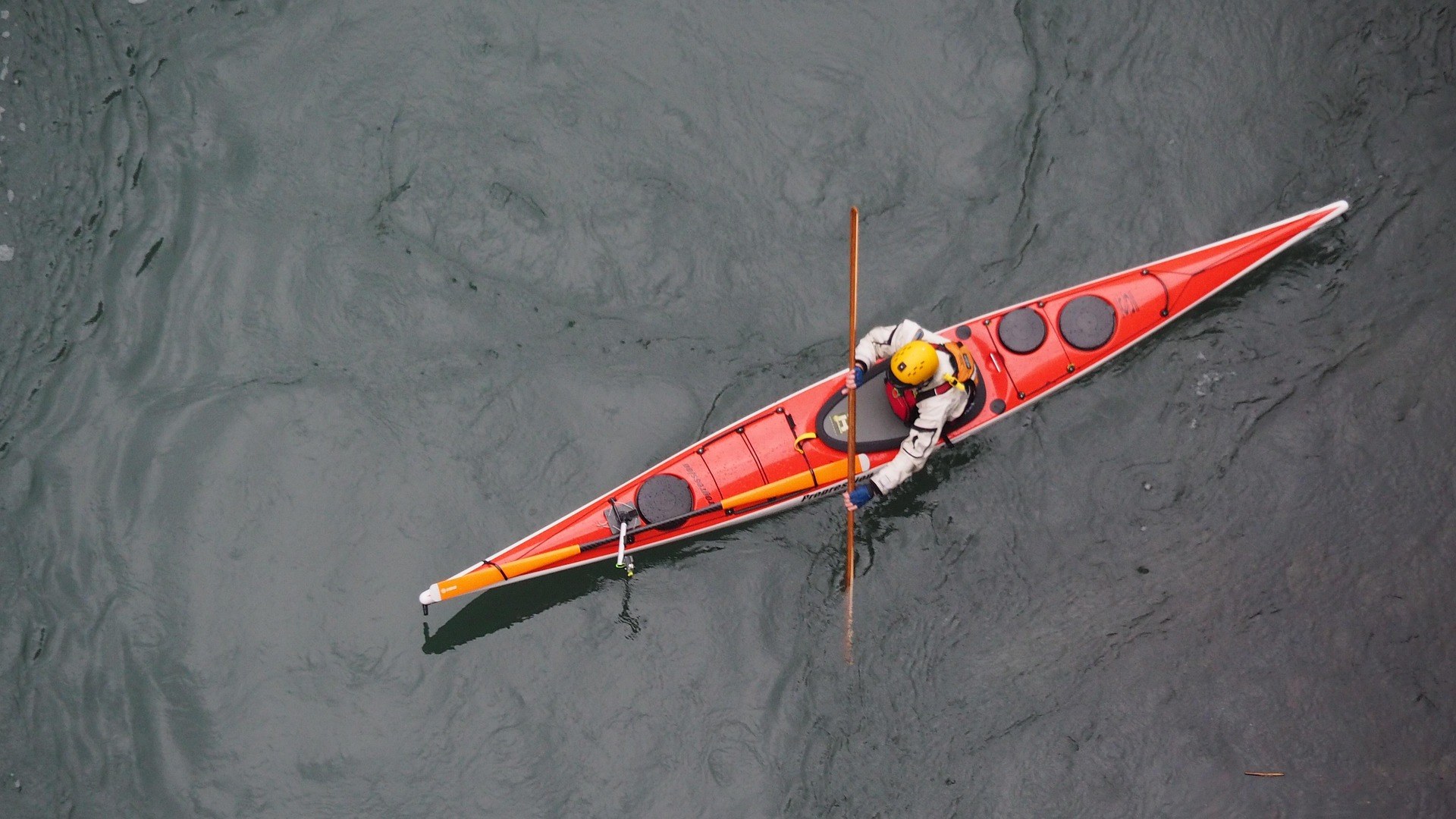
The Elk River tailwater
Below Sutton Dam the Elk becomes cold, regulated, year-round trout water and it is the closest thing West Virginia has to a destination trout river. It holds large fish, it fishes through the winter, and it has the technical, selective character that tailwaters everywhere develop.
The thing to respect is the release schedule. Water comes up fast and wading conditions change with it. Check before you go in, and know your exit.
Wild brook trout in the Monongahela
The native brook trout water is the other half of West Virginia trout fishing and, for a lot of anglers, the better half. It is small, cold, steep and often unnamed on maps. Seneca Creek below Spruce Knob, the upper Williams, the Cranberry headwaters and the tributaries of Shavers Fork all hold wild fish.
This is short-line, careful, single-fly fishing in tight cover, and the reward is a fish that has been in that stream since before the logging era. Several of these waters carry catch-and-release or fly-fishing-only regulations, and the county-by-county lists in the current regulations summary are the authoritative source.
Elevation matters more than the calendar here. The high headwaters fish well into summer when lower streams have gone warm and slow.
The stocked program
Most trout caught in West Virginia are stocked, and the program is extensive. WVDNR assigns frequency codes to each water, so a little reading tells you not just where fish go but roughly when. Spring is the peak, with a second push in autumn on some waters.
Gold Rush in April is the headline event, distributing golden rainbow trout across dozens of waters statewide. It is a good excuse to fish somewhere new, and the annual list is published.
Delayed-harvest waters are the underrated part of the system: stocked, then managed catch-and-release for a period, which produces better fishing than a standard put-and-take stretch.
Where to base a trout trip
For the Elk, base around Sutton or Webster Springs. For the Monongahela headwaters, Marlinton, Elkins or Durbin put you within reach of the Williams, the Cranberry, Shavers Fork and Seneca Creek. For the South Branch and Smoke Hole country, Petersburg or Franklin.
The Greenbrier Valley works as a base for both trout in the tributaries and smallmouth in the main river, which makes it the most flexible choice if the party wants different things.
Practical notes
You need a license plus a trout stamp, and national forest waters may require an additional stamp. Buy direct from WVDNR — published fee information from third parties is frequently stale.
The regulations summary is the document to read before a trip. It carries the frequency codes, the catch-and-release and fly-only lists by county, the delayed-harvest waters and the special species rules. It is updated annually and it is the only source that gets all of that in one place.
Reach people planning this trip
Placement alongside guides for outfitters, guides, shops and lodging.
List your business hereQuestions
What is the best trout stream in West Virginia?
When does trout stocking start in West Virginia?
Are there wild trout in West Virginia?
Can you fish for trout in summer in West Virginia?
Read next
 Best of
The Best Fishing Spots in West Virginia
Where to fish in West Virginia: trophy trout tailwaters, native brook trout streams, smallmouth rivers, muskie water and how stocking works.
10 min read · April Destination · Potomac Highlands
Hiking Dolly Sods
A practical guide to hiking Dolly Sods Wilderness: the main trails, route options, why it is navigationally serious, and how to reach Bear Rocks.
9 min read Best of
The Best Hikes in West Virginia
Thirty West Virginia hikes, from 400-foot overlook walks to the Dolly Sods traverse, ordered by effort rather than by fame.
11 min read