
Every organization we link to: local tourism offices, the state and federal agencies that manage the land, the nonprofits and clubs that keep access open, and the universities doing the research.
West Virginia has roughly 1.5 million acres of public land and a handful of places that carry almost all of the attention. The consequence is that a great deal of very good ground sits nearly empty, usually for one of three reasons: nobody has heard of it, the road in is gated or rough, or it is undeveloped and has nothing to advertise. Those are the places below — of them across regions.
Almost Heaven Swings
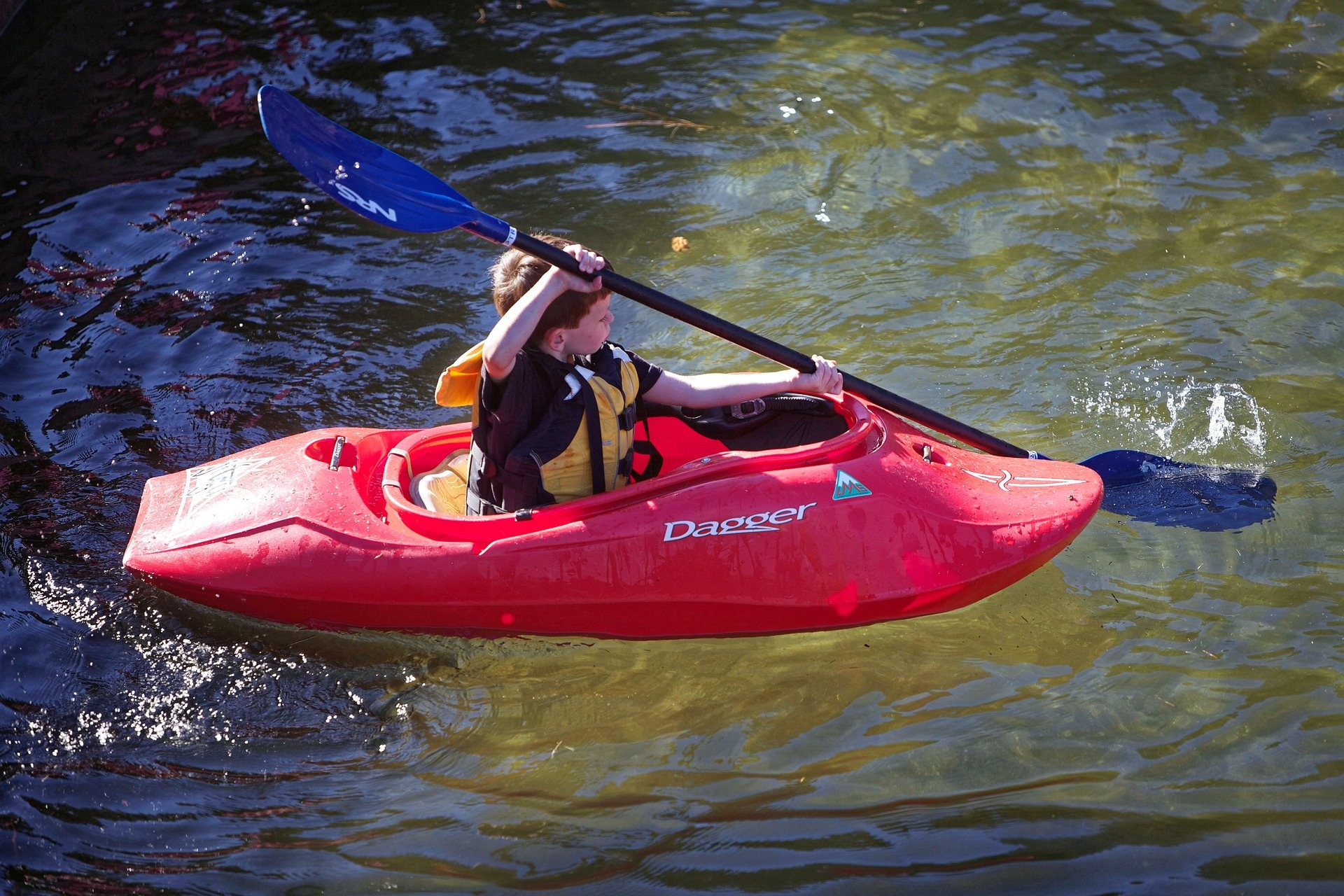
The pool below the stone beach
The swimming hole at Blue Bend is a deep green pool on Anthony Creek, framed by a stone-walled beach the Civilian Conservation Corps built in the 1930s. The masonry is still doing its job, which is unusual for recreation infrastructure of that age and part of why the place is known statewide.
The water is cold well into summer. That is the whole character of the swim: in August it is the reason to drive out here, and in June it is a shock people talk about for the rest of the afternoon. Anthony Creek does not warm up on a schedule that suits early-season swimmers.
Our record does not give a depth for the pool, a width for the creek, or anything about lifeguards or posted swimming rules. The Monongahela National Forest is the agency to ask, and conditions on a mountain creek move with recent rain regardless of what any page says.
Twenty-three sites in a single loop
One loop holds all 23 sites, most of them nonelectric. Nonelectric sites run $16 a night and electric sites run $20, which is the low end of what a developed campground costs anywhere.
Facilities change with the season. Flush toilets and showers operate in summer; in spring and fall the campground drops to vault toilets. There is no potable water at any point in the season, which is the single most important line on this page for anyone planning to stay.
That means hauling drinking water in for every person and every day, plus cooking and washing. It is a straightforward requirement and an easy one to overlook at a campground with showers listed among its amenities.
The Forest Service opens the area late March into November. Our record gives no reservation policy, no maximum stay, and no site-by-site detail, so check with the Monongahela National Forest before you count on a specific site being available.
Trail 614 and five miles of real climbing
Trail 614 is the loop hike here: five miles that climb off the creek onto the ridge, with three overlooks and a trail shelter along the way. This is a hike, not a walk up from the swimming area to look at a view.
The climbing is the defining feature. A five-mile loop that gains a ridge and comes back down is a couple of hours of steady work for most people, and it pairs naturally with a swim at the end rather than the start.
No elevation gain figure is published in this site's record, and neither is a direction of travel or a difficulty rating from the Forest Service. If those matter to you, the Monongahela National Forest district office is where to ask.
Fishing Anthony Creek at the recreation area
Anthony Creek runs straight through the recreation area, and the same cold water that bothers swimmers into July is the reason anglers look at it. Access is simplest around the day-use area, with more water to work upstream and downstream of the campground loop.
Here is the honest limit of what we know: this site's record names no stocked species for this stretch and lists no special regulations. That silence is not the same as saying the creek is unstocked or unregulated.
Check the current West Virginia Division of Natural Resources fishing regulations and stocking information for Anthony Creek before you rig up. Regulations on specific stretches change, and the DNR is the only authority worth trusting on them.
Connecting toward the Greenbrier River Trail
Trails from Blue Bend connect toward the Greenbrier River Trail near Anthony, which opens the door to a longer day than a five-mile loop. The rail trail itself runs 78 miles on an abandoned Chesapeake and Ohio logging grade with a gradient under one percent.
Those two gradients could not be less alike. Trail 614 climbs; the rail trail is close to flat for its full length. Linking them gives you a day with one hard section and a lot of easy mileage, if that is the shape you want.
We do not publish the mileage of the connector, the trail numbers involved, or whether the route is signed end to end. Ask the Monongahela National Forest what is currently maintained and marked before you plan a through-route from a map.
Fees, seasons and the questions left over
Camping costs are the only prices in our record: $16 nonelectric, $20 electric. We hold no day-use fee, no parking fee, and no group-site information, so do not assume the swimming area is free or that it is not.
The season is late March into November per the Forest Service, and the facility downgrade from flush toilets to vaults in spring and fall means the shoulder months are a different trip from July. Cold water plus vault toilets plus no potable water is a more committed visit than a summer afternoon.
For everything not listed here, the contact point is the Monongahela National Forest at fs.usda.gov/mnf. It is a better source than any secondhand page, this one included, for current conditions on a creek and a campground that both change with the weather.
Reach people planning this trip
Placement alongside guides for outfitters, guides, shops and lodging.
List your business hereQuestions
how much does it cost to camp at blue bend?
when is blue bend recreation area open?
is the water at blue bend cold?
how long is the blue bend loop hike?
Read next
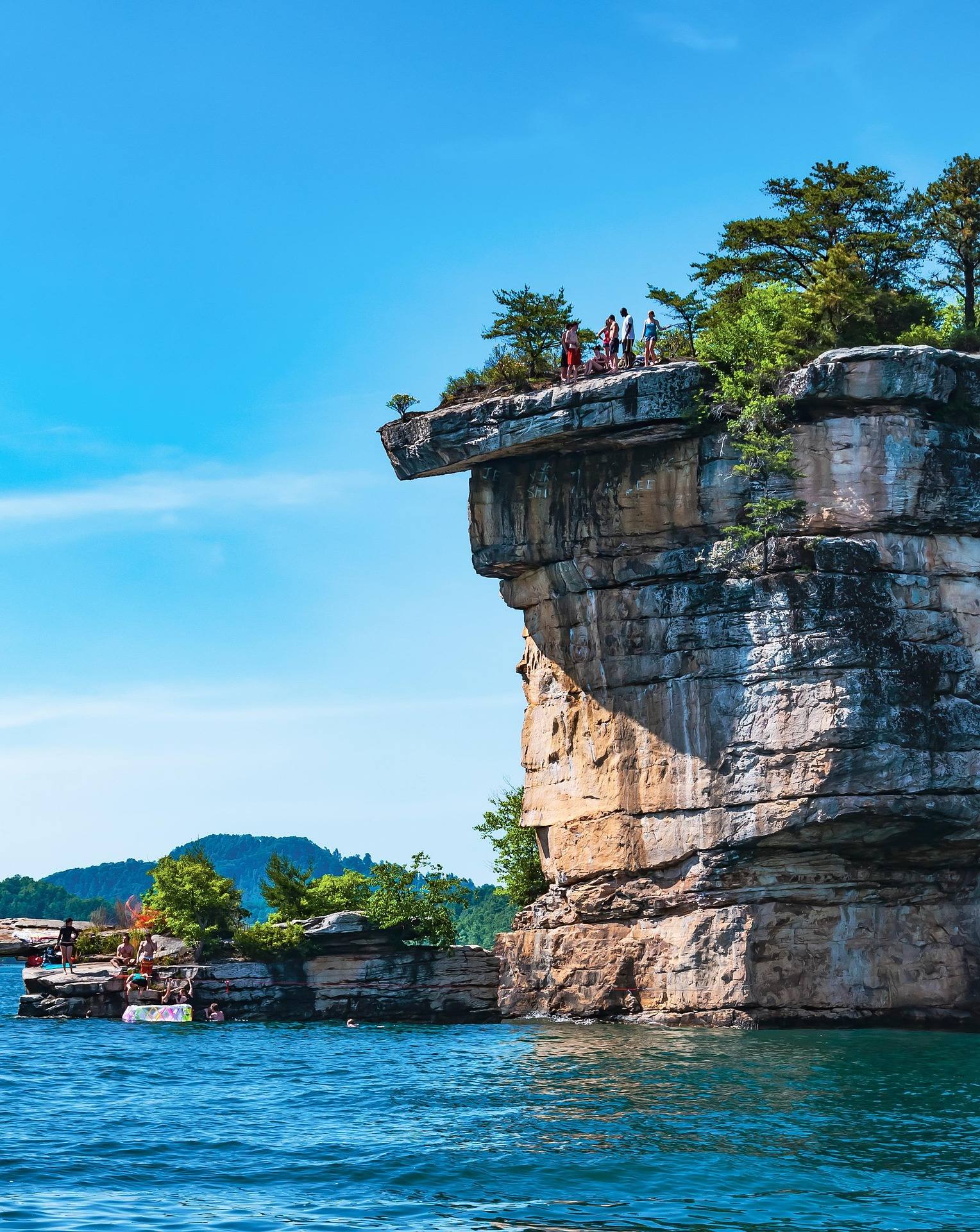 Best of
The Best Swimming Holes in West Virginia
West Virginia swimming holes and lake beaches, from Summersville Lake to CCC-built Blue Bend, with notes on the cliff-jumping risks.
7 min read · July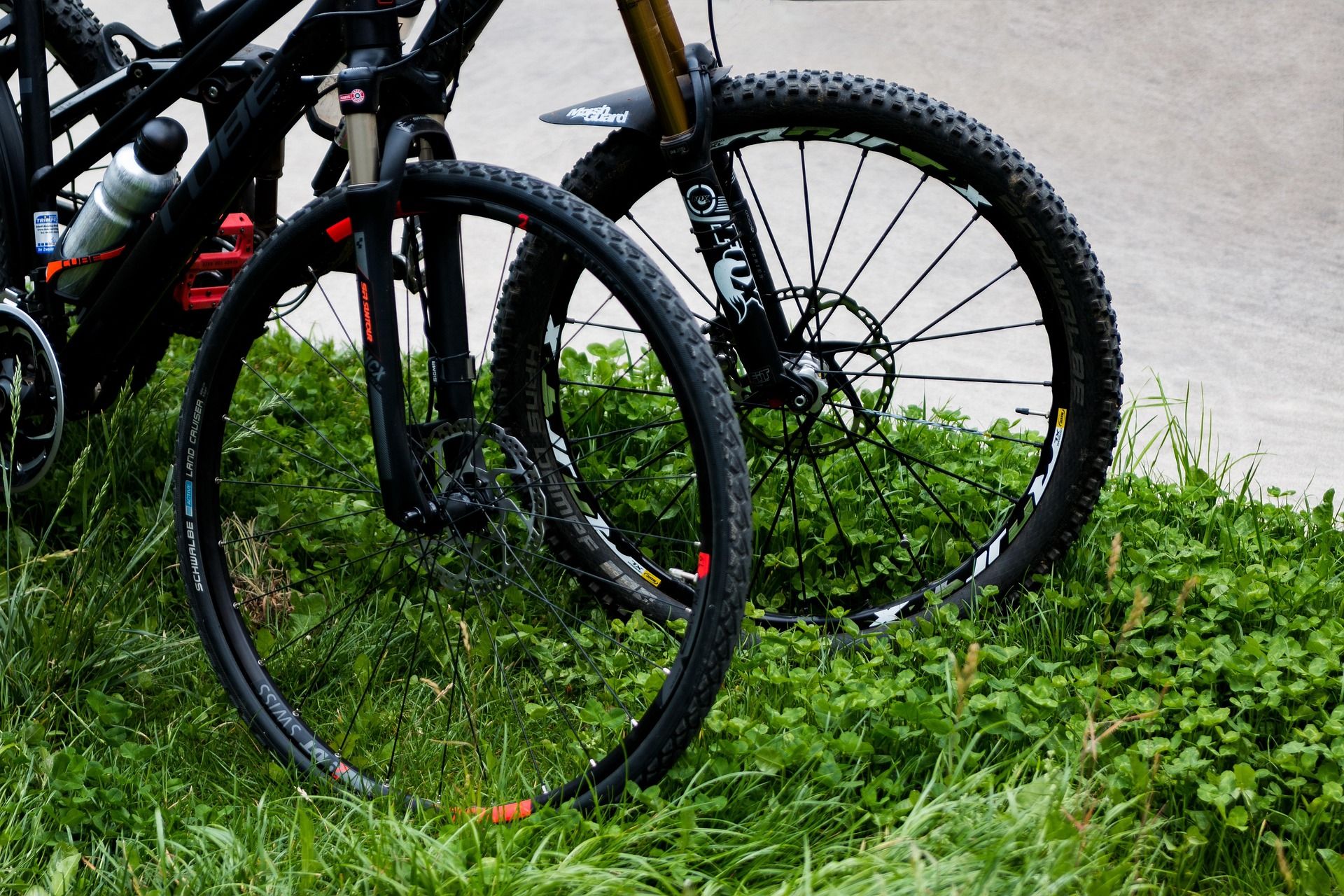 Destination · Greenbrier Valley
The Greenbrier River Trail
A guide to the Greenbrier River Trail: trailheads, camping, bikepacking it end to end, tubing alongside it, and the best sections for a day out.
8 min read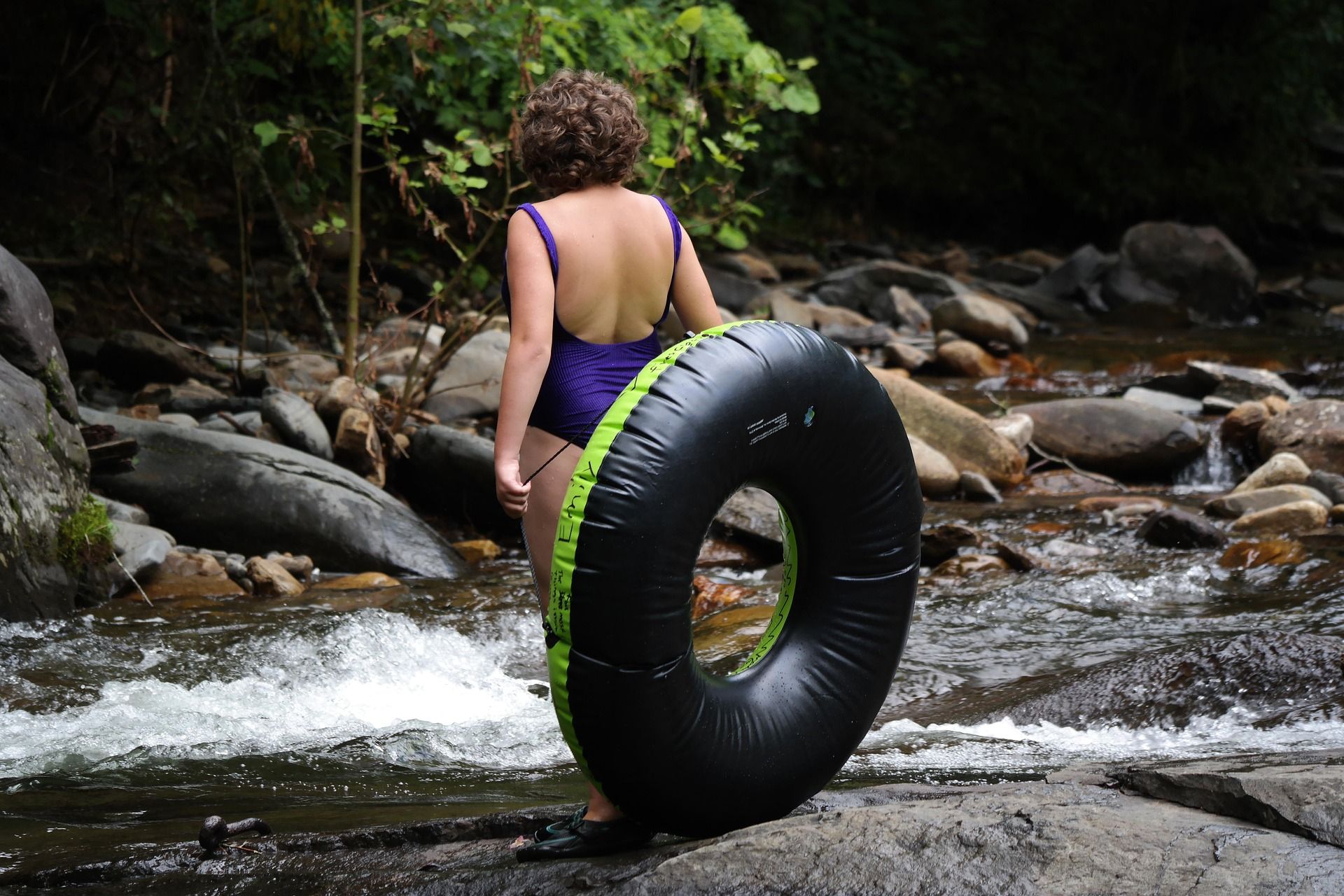 Destination · Greenbrier Valley
Lake Sherwood Recreation Area: A Complete Guide
Two sand beaches, 104 campsites in four loops and 18 miles of trail on the largest lake in the Monongahela National Forest, with fees and booking rules.
8 min read · July