
The marquee water
Elk River
The Elk's catch-and-release section below Sutton. Wild browns, technical fishing, and a sulphur hatch that draws anglers from several states.
Full guide to Elk River →Limestone spring creeks in the east, freestone mountain streams in the highlands, and outstanding smallmouth water on the Greenbrier, South Branch, Cacapon and New. Trout Unlimited's Mountaineer and Blennerhassett chapters do the conservation and access work.
West Virginia is known for its trout water, but the summer smallmouth fishing on the Greenbrier, South Branch, Cacapon and New rivers is of comparable quality and receives far less pressure.
Freestone mountain streams, one exceptional tailwater, native brook trout in the high country, and hundreds of miles of underfished smallmouth water.
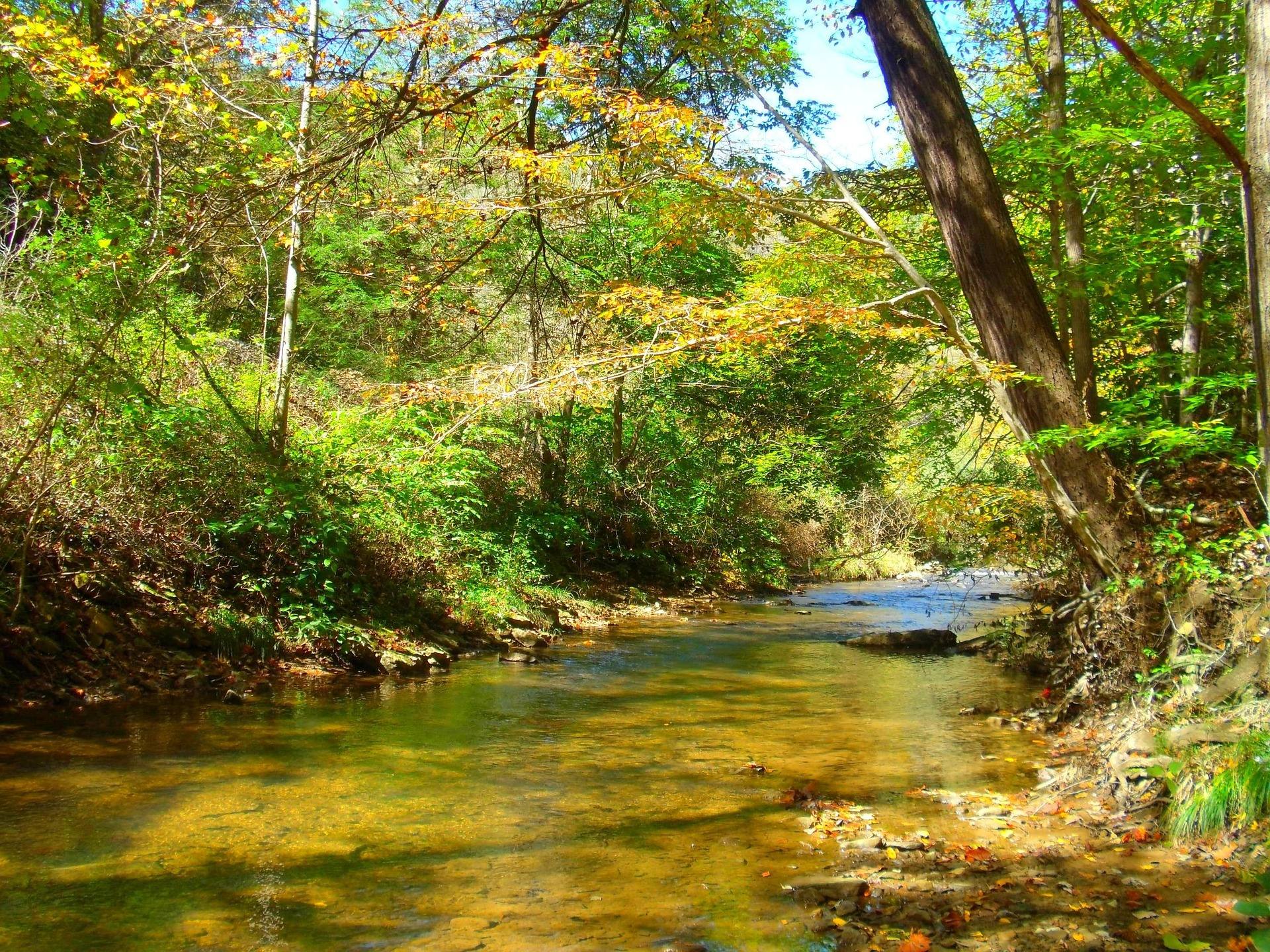
The Elk's catch-and-release section below Sutton. Wild browns, technical fishing, and a sulphur hatch that draws anglers from several states.
Full guide to Elk River →Seneca Creek below Spruce Knob. Small water, native brook trout, and a walk in to get to them.
Full guide to Seneca Creek Backcountry →Summer smallmouth on the Greenbrier or the South Branch. Warm, clear, wadeable, aggressive fish and almost no other anglers.
Full guide to Greenbrier River Trail →Check the Sutton Dam release schedule before you wade the Elk. Flows rise quickly once a release begins, and anglers wading the tailwater can be caught out mid-river.
All terrain in West Virginia above 4,000 feet lies in this region, including Spruce Knob at 4,863 feet.
Rail-trails, limestone caves, gentle river paddlingThe Greenbrier Valley sits on Greenbrier limestone, producing karst topography: sinkholes, springs, sinking streams and extensive cave systems, several with more than forty miles of surveyed passage.
Appalachian Trail, warm rivers, limestone streamsThe Appalachian Trail crosses the Potomac at Harpers Ferry and runs roughly 24 miles through this region.
Reservoirs, trout water, developing rail-trailThe geographic center of the state and its least-visited region.
47,815 acres of second-growth northern hardwood and red spruce on the high plateau — the largest wilderness in West Virginia.
A CCC-built swimming area on Anthony Creek in the Monongahela National Forest, with a deep green pool below a stone-walled beach, a campground and a loop trail up onto the ridge.
A network of trails below Spruce Knob following Seneca Creek through spruce and northern hardwood to a series of waterfalls, the largest around 20 feet.
About 20,000 acres of dense second-growth forest in a bowl between Shavers Mountain and McGowan Mountain, drained by Otter Creek.
A steep, narrow limestone canyon where the South Branch of the Potomac cuts through Cave Mountain — excellent smallmouth fishing, quiet canoe water at the right levels, dispersed camping, caves in the walls and a nineteenth-century chapel at the upper end.
The highest state forest in West Virginia, 9,474 acres of red spruce and northern hardwood on Rich Mountain, with rustic cabins, native brook trout in Mill Creek and almost no one there.
Two adjacent wilderness units, North and South, totaling around 12,000 acres along Laurel Fork — a beaver-worked stream valley with meadows, spruce and one of the quietest backpacking experiences in the state.
A CCC-built recreation area on the Shavers Fork near Elkins with a campground, picnic shelters and river access — the practical basecamp for the central Monongahela National Forest and the Otter Creek and Cheat Mountain country.
One of the finest and least-known trout fisheries in the Appalachians.
West Virginia's second-largest state park at 8,101 acres, in a narrow valley of hemlock and hardwood with waterfalls, cabins and a rugged trail network.
One of the finest gentle canoe rivers in the East — clear, shallow, warm and slow, winding through farmland and forest with reliable smallmouth fishing and easy multi-day trips.
Forty-four miles of interlocking trail off the Highland Scenic Highway, and the best-known mixed hiking and mountain-biking network on the Marlinton district of the Monongahela National Forest.
The most approachable region in the state: a rail-trail at under one percent grade, warm river paddling, a preserved eighteenth-century town, and limestone country with commercial show caves.
2–3 days · Apr–Jun, Sep–OctCold tailwater below Sutton Dam holding wild browns, a sulphur hatch worth planning around, and smallmouth downstream when the trout water gets busy.
Reserved for a West Virginia operator serving this activity. The listings above and below it are unpaid.
List your business hereGroups that handle access, maintenance, licensing and conditions data for this activity. Starred entries publish updates worth following.
Every organization we link to: local tourism offices, the state and federal agencies that manage the land, the nonprofits and clubs that keep access open, and the universities doing the research.
West Virginia has roughly 1.5 million acres of public land and a handful of places that carry almost all of the attention. The consequence is that a great deal of very good ground sits nearly empty, usually for one of three reasons: nobody has heard of it, the road in is gated or rough, or it is undeveloped and has nothing to advertise. Those are the places below — of them across regions.