
Every organization we link to: local tourism offices, the state and federal agencies that manage the land, the nonprofits and clubs that keep access open, and the universities doing the research.
West Virginia has roughly 1.5 million acres of public land and a handful of places that carry almost all of the attention. The consequence is that a great deal of very good ground sits nearly empty, usually for one of three reasons: nobody has heard of it, the road in is gated or rough, or it is undeveloped and has nothing to advertise. Those are the places below — of them across regions.
Almost Heaven Swings
Grandview holds the one dated peak
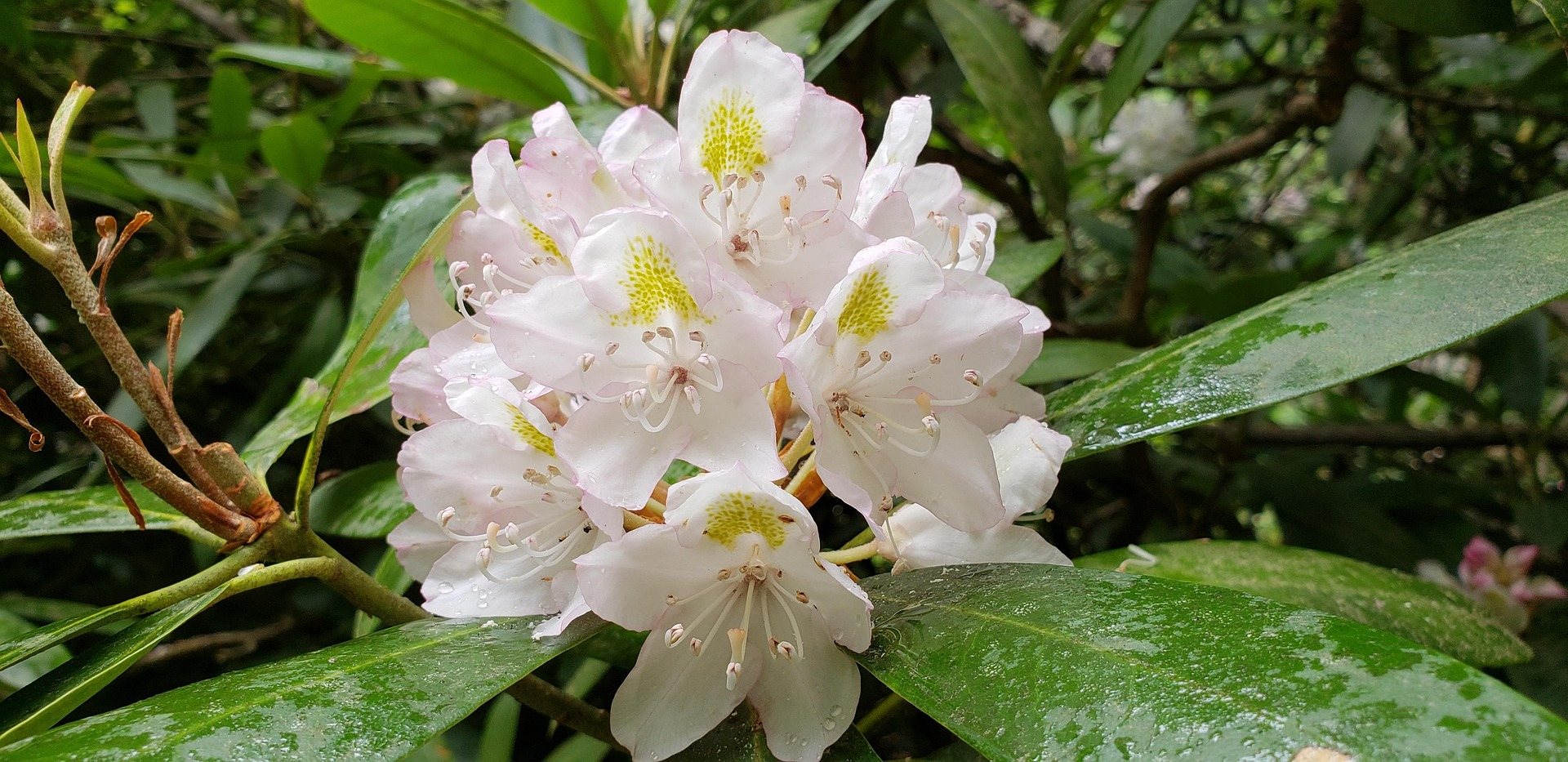
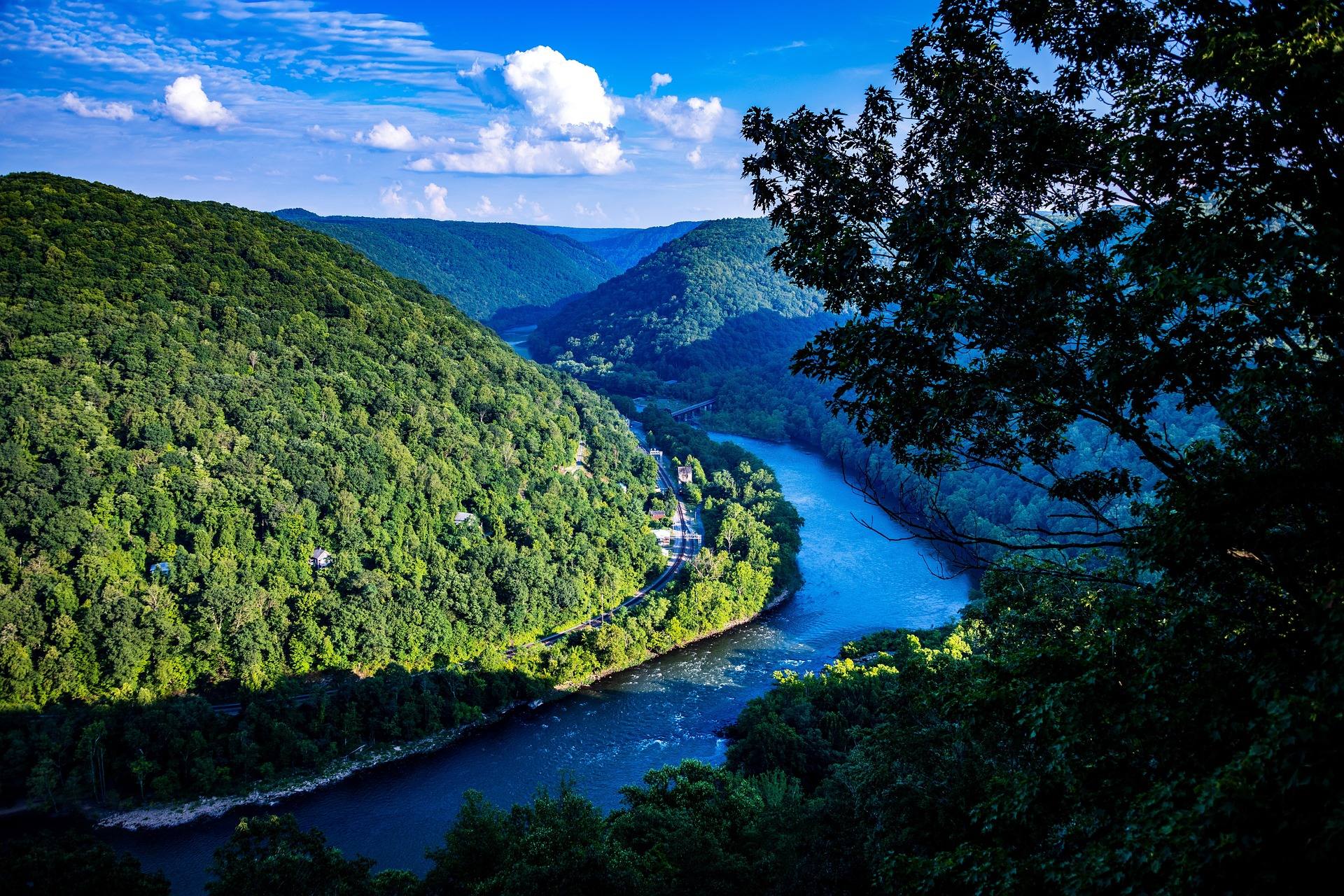
Grandview sits 1,400 feet above a horseshoe bend in the New River, with a seven-mile view up the gorge, the widest perspective anywhere in the park. The rhododendron bloom here in late May and early June is described as the best in the state, and the published peak is late May.
If you want rhododendron with a date attached, the last week of May into the first weeks of June is the window and Grandview is the address. Arriving late in June means accepting you may be past it.
Walk it rather than driving through. The Grandview Rim Trail runs 1.6 miles along the edge, and Turkey Spur Overlook is a short drive past the main lot, a 360-degree view up steel stairs.
Mountain laurel: where the record stops
The title of this guide promises mountain laurel, so here is the honest position. Mountain laurel appears in the records behind this site once, and not as a flower: alongside rhododendron, it is named as what makes off-trail travel difficult. There is no published bloom date for it here, and no place record identifying a laurel display worth travelling for.
Rather than invent locations and a window, treat that as a question for the agencies. For state parks and forests, ask WVDNR, which manages the 35 parks and 9 forests. For federal ground in the Highlands and the Greenbrier Valley, ask the Monongahela National Forest. For the New River Gorge units, ask the National Park Service.
What the record does support is habitat overlap: the thickets that make bushwhacking hard are the thickets that flower.
Rhododendron tunnels on Canaan Mountain
Canaan Mountain Backcountry is the plateau between Davis and Canaan Valley, from 3,100 to 4,145 feet, built around the eight-mile Plantation Trail with a dozen short connectors. The record describes rhododendron tunnels, spruce, blueberry heath and old logging grades, and it is the closest real backcountry walking to the Canaan Valley lodges.
Plantation Trail is the spine, and Mountainside, Railroad Grade and Lindy Run are the usual return legs. The plateau holds water and is wet underfoot most of the year, which is worth planning footwear around in June.
No bloom date is published for the Canaan Mountain rhododendron in what this site holds; the tunnels are described as a feature of the walking rather than of one week.
June on the Dolly Sods plateau is not a warm-weather hike
Dolly Sods Wilderness is 17,371 acres on a plateau largely above 4,000 feet, holding wind-flagged red spruce, heath barrens, sphagnum bog and exposed rock. The original spruce forest was logged and burned to bedrock in the early twentieth century, which is why it stays open. It was a live-fire artillery range during the Second World War, and unexploded ordnance warnings are still posted at trailheads.
There are 47 miles of trail in all, with Red Creek at 6.4 miles, Blackbird Knob at 4.7 and Rohrbaugh at 3.6. Trails are unblazed, junctions unsigned and crossings unbridged, so navigation is a requirement. Red Creek runs tannin-brown and can be impassable after rain, and there is no potable water anywhere in the wilderness.
Temper any assumption about June warmth: this plateau and Canaan Valley regularly run twenty degrees colder than the valleys, with wind and driving rain in June. Camp only on durable surfaces, since the bogs are slow to recover, and camping is prohibited within 300 feet of Forest Roads 19 and 75 except at Red Creek Campground.
Cranberry Glades, for bog plants and the loudest birdsong of the year
Cranberry Glades Botanical Area is the largest area of bogs in West Virginia, roughly 750 acres of sphagnum and cranberry peat holding plant communities left behind by the last glaciation, including carnivorous sundews and pitcher plants. A half-mile boardwalk crosses two of the glades.
Peak birding here is late May and early June, the same window as the Grandview bloom. The high-elevation spruce and northern hardwood forests hold breeding populations at the southern edge of their range, including Cerulean Warbler, Golden-winged Warbler, Hermit Thrush and Northern Saw-whet Owl, and the state carries a significant share of the global Cerulean Warbler population.
The Brooks Bird Club is the statewide birding organization, and WVDNR recommends it as the primary way to connect with other birders here. Adjacent Cranberry Wilderness is 47,815 acres of unblazed backcountry if you want to go past the boardwalk.
Blue Bend, at the low end of the same season
Blue Bend Recreation Area is a Civilian Conservation Corps swimming area from the 1930s on Anthony Creek in the Monongahela National Forest, a deep green pool below a stone-walled beach. The Forest Service notes the water stays cold well into summer.
The Blue Bend Loop is Trail 614: five miles with real climbing, three overlooks and a trail shelter. That walk takes you onto the ridge and through the mid-elevation shrub layer, and the area connects toward the Greenbrier River Trail near Anthony.
The campground is 23 sites in one loop, mostly nonelectric, at $16 a night and $20 with electric, with no potable water. It is open late March into November.
Planning around a bloom nobody forecasts
Late May and June is peak green in West Virginia generally, with warblers on territory by mid-May. Rhododendron blooming at Grandview in late May is the dated marker inside that window.
Because no agency in these records publishes a bloom forecast, build slack into the trip. Pair a low-elevation gorge rim with a high plateau walk so a week either side of peak still gives you something, and check the National Park Service conditions page for New River Gorge and Monongahela National Forest alerts before you drive.
Two field notes for shrub country. Rocky terrain and rhododendron thickets are where timber rattlesnake and northern copperhead turn up, so watch your hands on rock and step onto logs rather than over them. Ticks are active in any month above freezing in a state with high rates of Lyme disease, which makes permethrin-treated clothing and a check after every walk standard practice.
Reach people planning this trip
Placement alongside guides for outfitters, guides, shops and lodging.
List your business hereQuestions
when does rhododendron bloom in west virginia?
where is the best rhododendron display in west virginia?
when does mountain laurel bloom in west virginia?
what else is worth seeing in west virginia in late may and early june?
Read next
 Guide · New River Gorge
Hiking at Grandview in the New River Gorge
The rim trail, Turkey Spur's steel stairs and the late-May rhododendron at Grandview, 1,400 feet above the New River's long horseshoe bend.
7 min read · May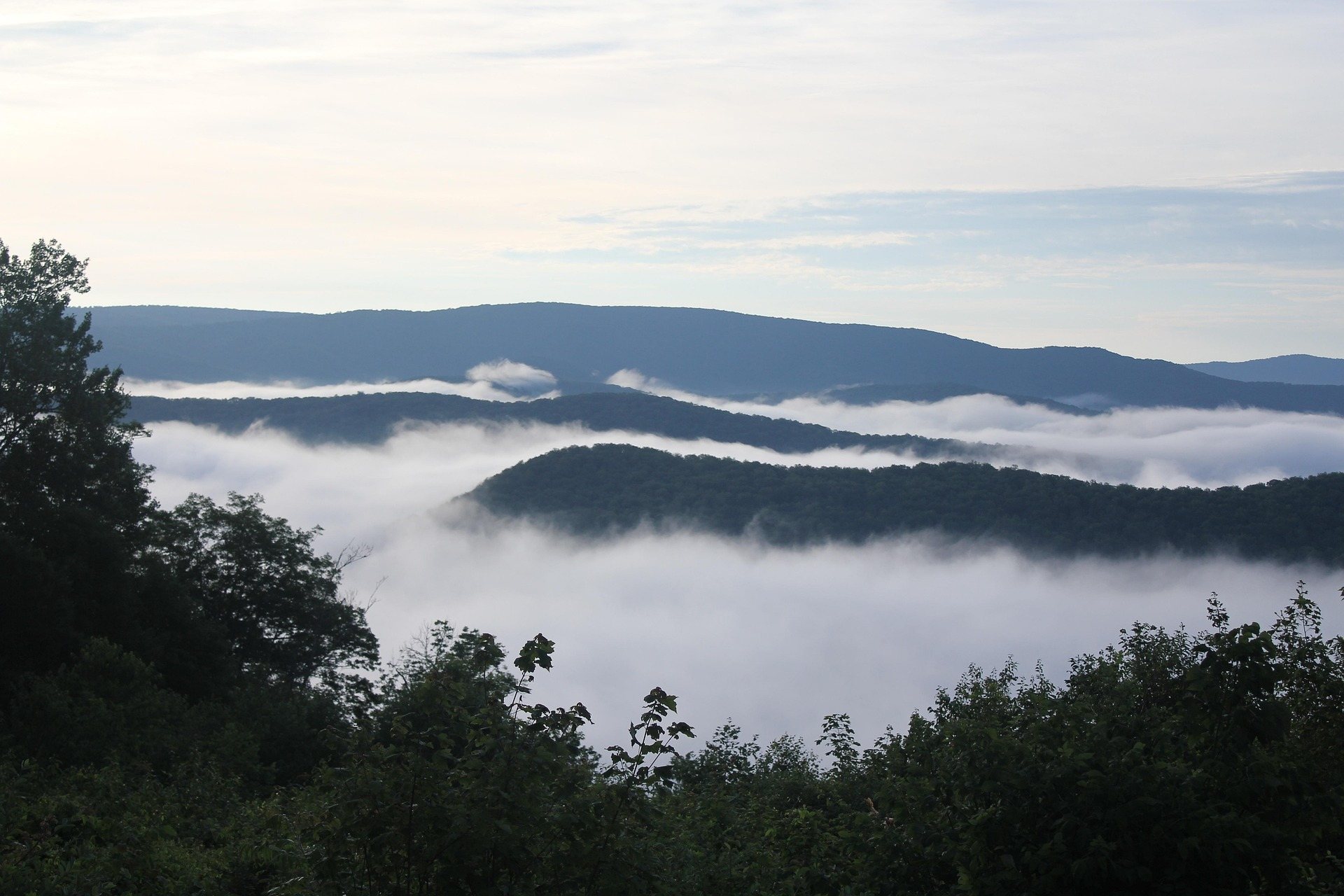 Destination · Potomac Highlands
Hiking Dolly Sods
A practical guide to hiking Dolly Sods Wilderness: the main trails, route options, why it is navigationally serious, and how to reach Bear Rocks.
9 min read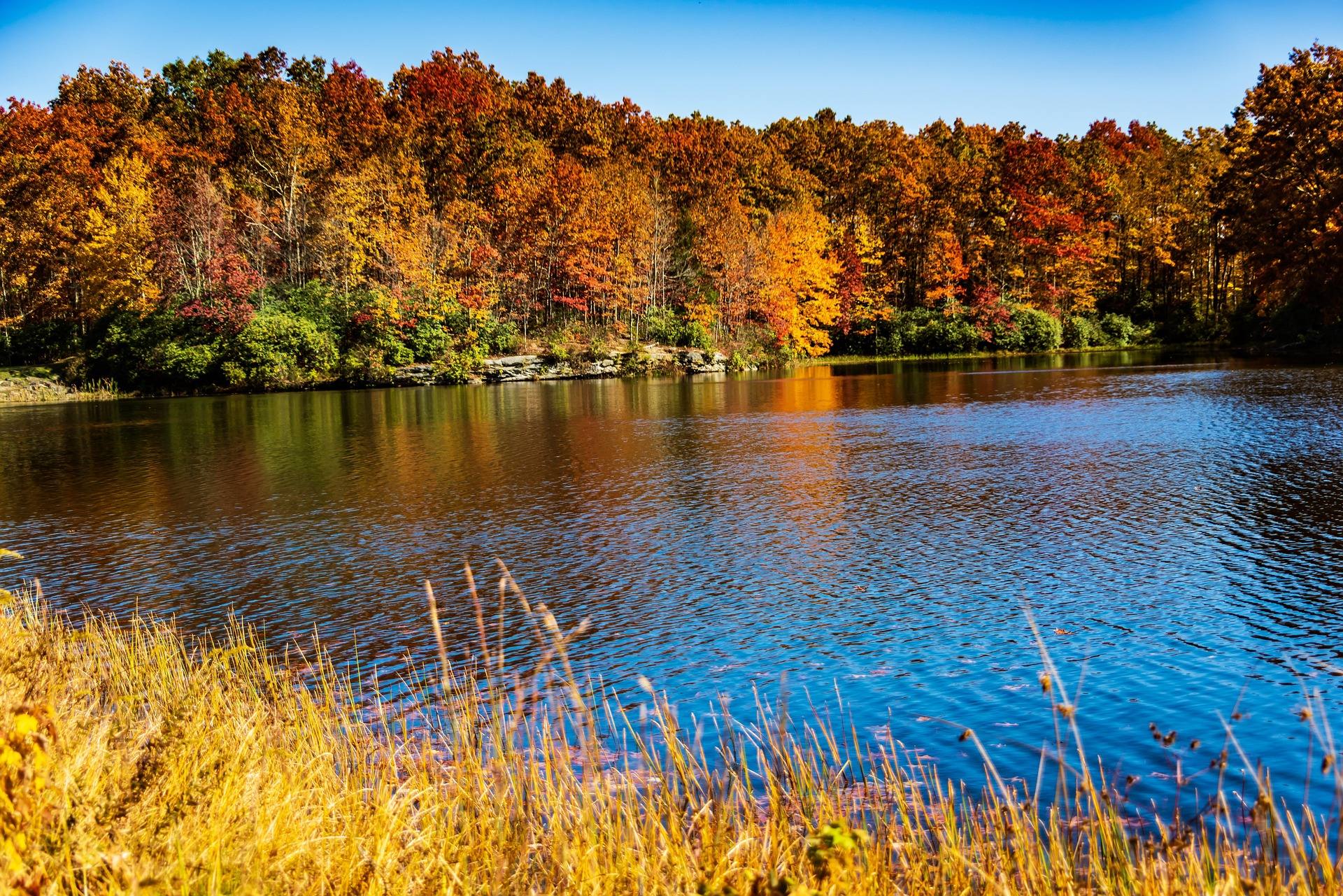 Best of · Potomac Highlands
The Best Hikes in Canaan Valley
Trail by trail on the Canaan Mountain plateau and the valley floor: lengths, surfaces, elevations, and the wet ground the Forest Service warns about.
8 min read · September