
Every organization we link to: local tourism offices, the state and federal agencies that manage the land, the nonprofits and clubs that keep access open, and the universities doing the research.
West Virginia has roughly 1.5 million acres of public land and a handful of places that carry almost all of the attention. The consequence is that a great deal of very good ground sits nearly empty, usually for one of three reasons: nobody has heard of it, the road in is gated or rough, or it is undeveloped and has nothing to advertise. Those are the places below — of them across regions.
Almost Heaven Swings
The snow belt decides where January works
Upslope snow off the Allegheny Front is the state's reliability advantage, and it is concentrated. Timberline Mountain and Canaan Valley Resort share the Canaan Valley snow belt, which averages far more than the surrounding region, and Snowshoe sits on the summit ridge of Cheat Mountain with roughly 250 inches a year.
Elevation matters even inside that belt. The Canaan Valley floor can be bare while Cabin Mountain holds snow, and the Canaan Mountain plateau between Davis and Canaan Valley, 3,100 to 4,145 feet, keeps snow when the valley below has none. That is why the ski touring happens up on the mountain.
A January plan therefore starts with a county rather than a statewide forecast. Tucker and Pocahontas are where the season is; anywhere else you are planning a bare-ground trip.
Downhill: Snowshoe, Timberline and Canaan Valley Resort
The downhill season runs December through March. Snowshoe is the largest ski resort in the mid-Atlantic and the only one with a genuine summit village, built upside-down so you ski down from a village at 4,848 feet. Three areas work as one: the main basin, Silver Creek with the terrain park and night skiing, and the Western Territory.
The Western Territory holds the expert terrain. Cupp Run, a 1,500-vertical-foot descent designed with Jean-Claude Killy, and Shay's Revenge are the two runs that reward people who already ski well. Summit weather is severe and the village sits in cloud often, so a bluebird photograph is not the January default.
In the Canaan Valley belt, Timberline's Salamander is the longest trail in the mid-Atlantic, and Canaan Valley Resort is the only state park in West Virginia with lift-served downhill skiing. None of the three publishes an operating calendar here. Each posts its own snow report, which is what to read the night before you drive.
White Grass and the Nordic side of the valley
White Grass Ski Touring Center is the cultural heart of eastern backcountry Nordic and the most important cross-country resource in the state. Founded in 1979, it runs more than 50 kilometers of groomed and ungroomed trail up the flank of Cabin Mountain, from about 3,200 feet to over 4,000. Telemark, skate, classic and backcountry all share the network.
The lodge is part of the appeal: soup and a woodstove in a converted farmhouse that people drive four hours to reach. Rentals, lessons and a good cafe are on site, weekday visits often mean near-empty trails, and the upper trails hold snow when the valley floor is bare.
Beyond White Grass the options are ungroomed. Canaan Valley National Wildlife Refuge and the Monongahela National Forest add terrain with no grooming and no ticket, and Elk River Touring Center and the Highland Scenic Highway corridor carry more Nordic skiing, on the same December-to-March season.
Blackwater Falls: ice, a sled run and 200 steps
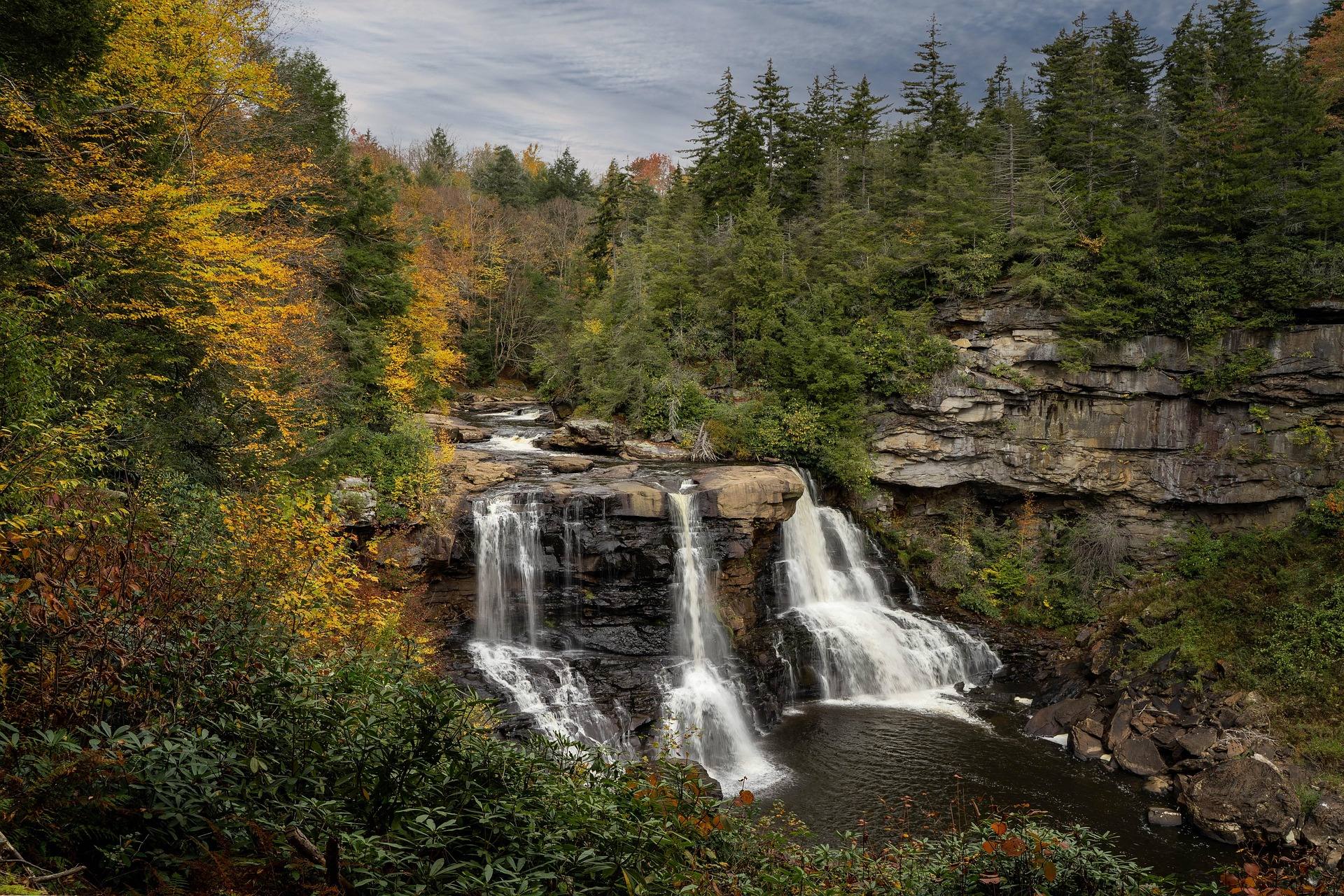
Blackwater Falls is a 57-foot drop where the Blackwater River enters an eight-mile canyon, the water stained amber by hemlock and spruce tannins. The boardwalk to it is a quarter mile and more than 200 steps down, which in January means 200 iced steps each way. The Gentle Trail is the paved alternative, and Pendleton Point Overlook gives the deepest canyon view without stairs.
The park has 21 trails, several usable with the right footwear. Lindy Point is 0.3 miles, rated moderate to difficult, to an overlook the park puts at 3,000 feet. Elakala Falls is a five-minute walk from the lodge. River Road Trail runs 1.56 miles of old railroad grade to Davis, the flattest walk here when everything else is glazed.
Sledding is why many families come. The park operates the longest lift-served sledding run in the region, using a magic carpet so laps come cheap, and Canaan Valley Resort runs a snow-tubing park. That season is listed as December through February, sessions are time-slotted, and they sell out on holiday weekends.
Snowshoeing, and why Dolly Sods is the exception
Snowshoeing is the lowest-barrier winter activity here and needs no special permission. Canaan Valley National Wildlife Refuge, Blackwater Falls, Dolly Sods and the Highland Scenic Highway corridor all hold snow, and rentals are available at White Grass, Blackwater Falls and Canaan Valley Resort. Canaan Mountain's eight-mile Plantation Trail, with connectors including Mountainside, Railroad Grade and Lindy Run, is the closest real backcountry walking to the valley lodges.
Dolly Sods in winter is a different proposition. The terrain is serious and navigation difficult with the trails under snow, compounded by Monongahela wilderness trails being unblazed by design and junctions frequently unsigned. Treat it as a navigation day, and expect Canaan Mountain to be wet underfoot even where it looks frozen.
Underground at 52 degrees
Caving runs year-round. Greenbrier, Monroe and Pocahontas counties sit on some of the most significant karst in the eastern United States, with systems running to dozens of mapped miles each, and cave temperature holds around 52 degrees Fahrenheit whatever January is doing above ground.
Lost World Caverns outside Lewisburg is the accessible face of that karst: a long stairway to 120 feet below the surface, into one enormous chamber holding the 28-foot Snowy Chandelier stalactite. The self-guided walking tour needs no experience. Four-hour wild cave tours require booking and a change of clothes.
Anything past a show cave needs a different route in. Most significant West Virginia caves are gated, private or access-controlled, and the National Speleological Society's grotto network is the only realistic way in for a beginner. White-nose syndrome decontamination protocols apply statewide to anything you carry underground.
Orange, gravel and the drive itself
Hunting seasons run into January on public land, so wear blaze orange through the end of the month anywhere outside a state park, and put orange on your dog. Hunting is generally prohibited in state parks and allowed in season on state forests, which changes what you wear at Blackwater Falls versus on national forest ground.
Access is the other constraint. Much of the best Highlands terrain sits at the end of a forest service road, some seasonally closed, and Forest Road 75 to Bear Rocks is the worst; check Monongahela National Forest alerts. Sixty road miles can take two hours, there is no cell service, and the plateau runs twenty degrees colder than the valleys.
Reach people planning this trip
Placement alongside guides for outfitters, guides, shops and lodging.
List your business hereQuestions
Where does it actually snow in West Virginia in January?
Can you sled at Blackwater Falls in January?
Is it worth walking to Blackwater Falls itself in winter?
What is there to do in West Virginia in January besides ski?
Read next
 Best of · Potomac Highlands
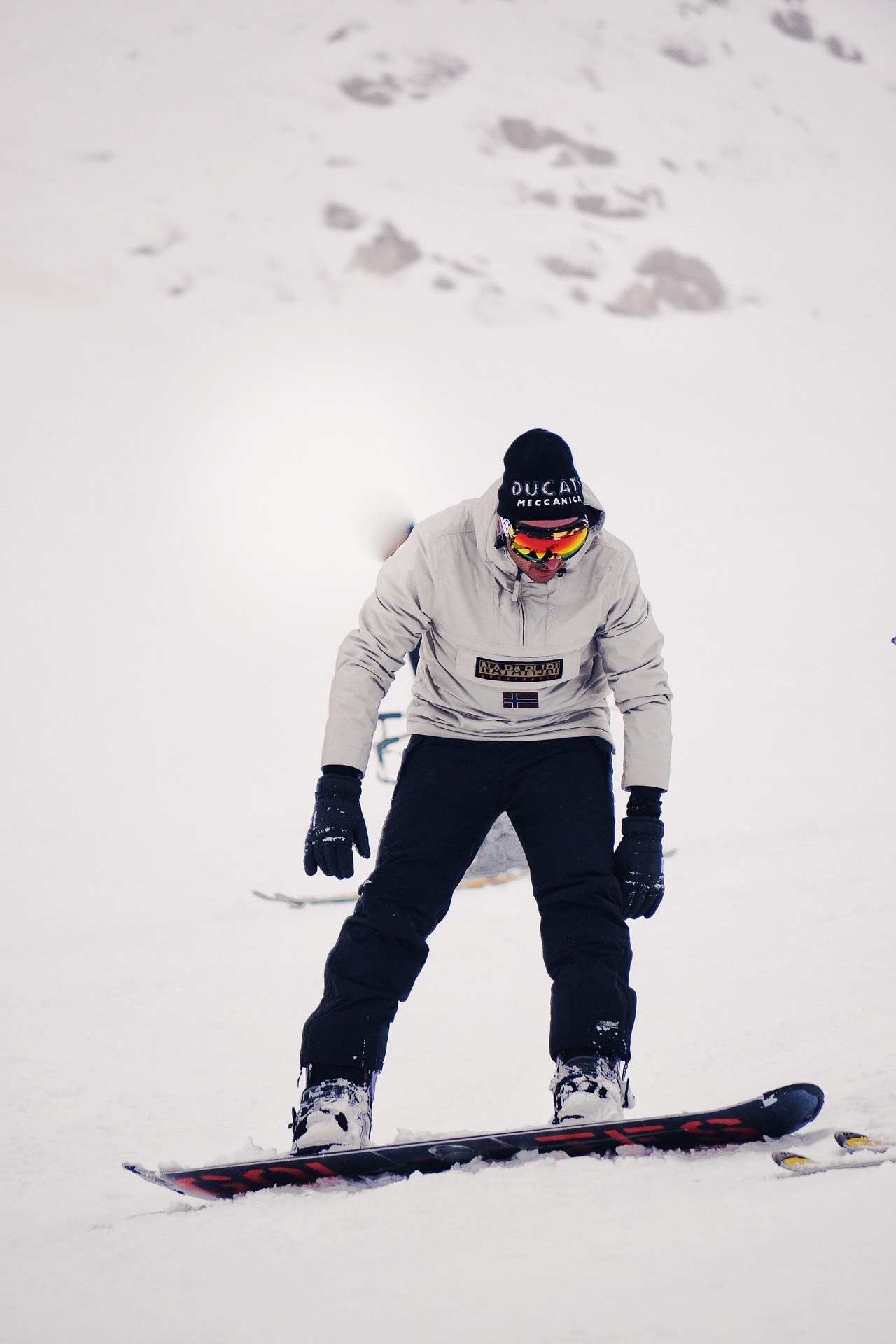
Skiing and Snowboarding in West Virginia
West Virginia ski resorts compared: Snowshoe, Timberline, Canaan Valley and White Grass, plus Nordic skiing, snow tubing and the snowiest corner of the state.
8 min read · February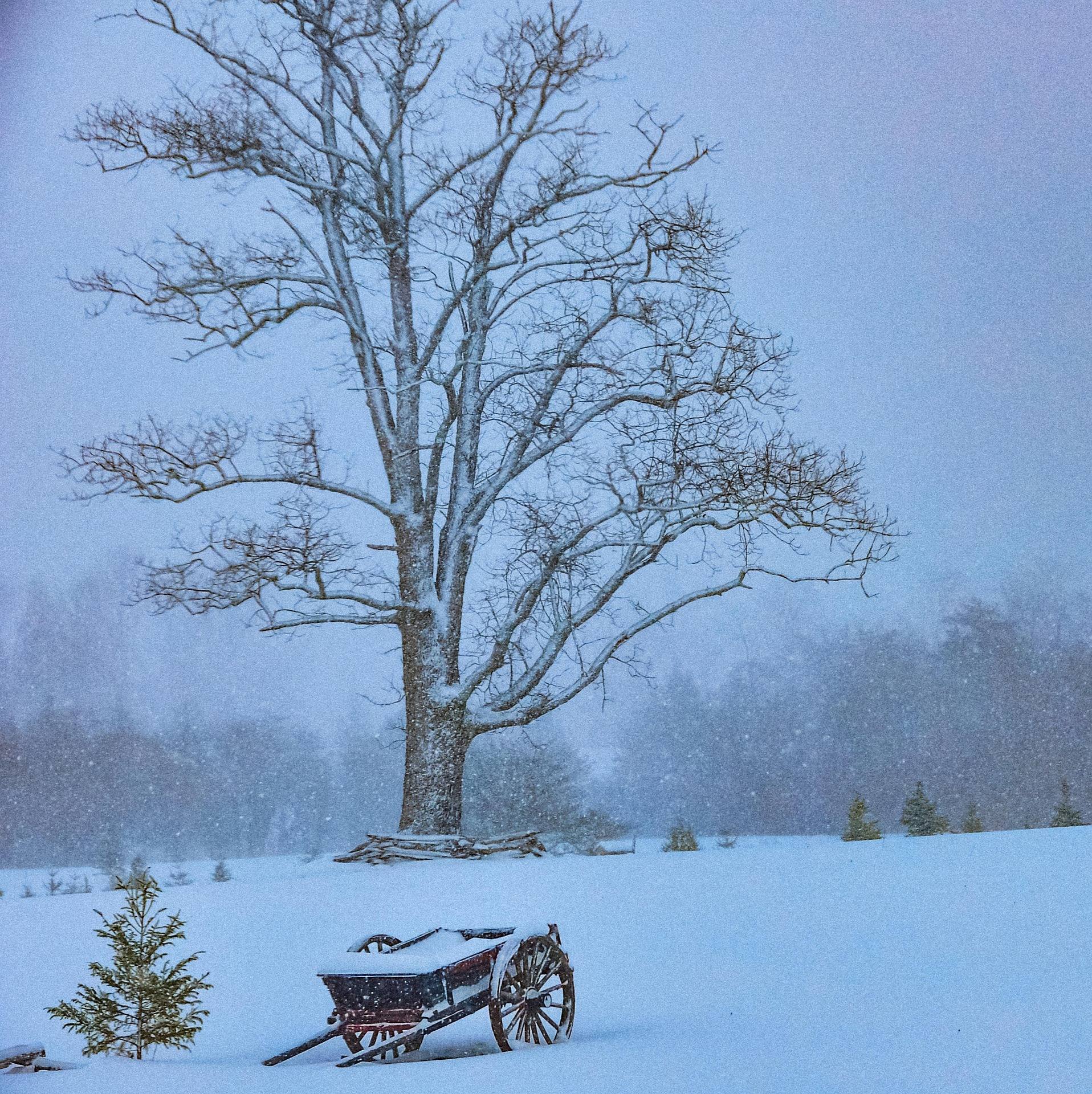 Guide · Potomac Highlands
Cross-Country Skiing at White Grass
How White Grass works: 50-plus kilometers on Cabin Mountain, why the upper trails hold snow, rentals and lessons, and where to ski when it turns thin.
7 min read · February
Destination · Potomac Highlands
Blackwater Falls State Park
A complete guide to Blackwater Falls State Park: every waterfall and overlook, Lindy Point at sunset, the trails, lodging and the best season to visit.
8 min read · October