
Every organization we link to: local tourism offices, the state and federal agencies that manage the land, the nonprofits and clubs that keep access open, and the universities doing the research.
West Virginia has roughly 1.5 million acres of public land and a handful of places that carry almost all of the attention. The consequence is that a great deal of very good ground sits nearly empty, usually for one of three reasons: nobody has heard of it, the road in is gated or rough, or it is undeveloped and has nothing to advertise. Those are the places below — of them across regions.
Almost Heaven Swings
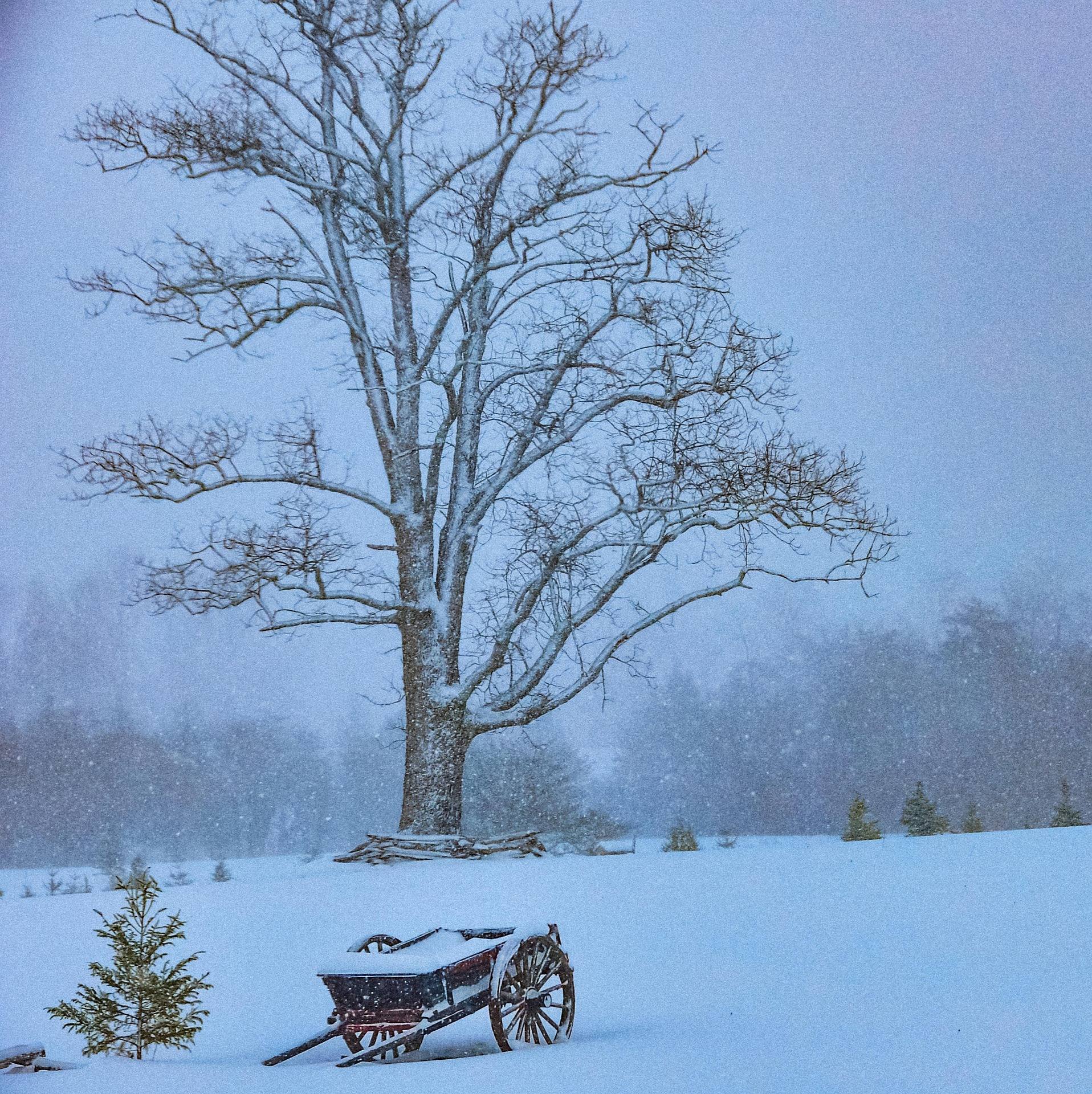
What White Grass Ski Touring Center is
White Grass Ski Touring Center is a cross-country ski area in Canaan Valley, founded in 1979 and run out of a converted farmhouse. Its network climbs the flank of Cabin Mountain from about 3,200 feet to over 4,000, with more than 50 kilometers of groomed and ungroomed trail on it. Telemark, skate, classic and backcountry skiing all coexist here, which is unusual: most Nordic centers pick one discipline and groom for it. This is the single most important cross-country resource in West Virginia and the heart of eastern backcountry Nordic skiing.
The lodge is a large part of why. Soup, a woodstove and a café in the farmhouse have produced a culture that people drive four hours for, and the driving is the point — this is a destination rather than an amenity bolted onto a resort. The café is part of the plan on a cold day rather than an afterthought, since the mountain is skied in laps that come back past it. Rentals and lessons are on site, so a first-time skier can turn up with warm clothes and nothing else. Snowshoers use the same terrain, which helps if half your party has never had a ski on.
Why the snow is here when it is nowhere else
Canaan Valley catches upslope snow that misses everywhere else in the mid-Atlantic. The valley floor sits at about 3,200 feet in a 14-mile bowl that behaves climatically like central Canada, and it averages roughly 180 inches of snow a year. Cabin Mountain rises off the side of that bowl, and the trails gain most of their elevation on its flank. White Grass starts at the valley edge and climbs out, which is the whole trick: conditions here are elevation-dependent, and the upper trails hold snow when the valley floor has gone to grass.
That has a direct consequence for anyone driving in. What you see through the windshield in the valley is not what you will ski at 4,000 feet, and the error runs both ways — a bare-looking valley can be hiding a good upper mountain, and a green valley floor is not a reason to turn around. The forecast that matters is the one for the ridge, not the one for the valley. Check current conditions with the center before committing to the drive rather than judging from the road. The Nordic season in this part of the state runs December through March.
The network, and what to ski first
More than 50 kilometers is enough that a first visit should treat the lower ground as the whole mountain and leave the top for the next trip. The high point is above 4,000 feet and the climb to it from the base is real work; what it buys is spruce, open ground and the deepest snow on the property. Groomed and ungroomed trail sit in the same network, so it is possible to ski a track all morning and step off into backcountry snow in the afternoon without moving the car.
The center teaches across the full range of ability, which is the sensible way onto this mountain if your only Nordic experience is a flat park. Skate skiers want the groomed trails. Telemark and backcountry skiers come for the ungroomed upper mountain and the trees on it, and classic skiers can work both, which is an argument for renting here rather than bringing one pair of skis. Ask at the desk what has been groomed that morning and what is holding snow, because both answers change daily and the base and the ridge can amount to two different sports.
Weekdays, weekends, and where to sleep
Weekday visits often mean near-empty trails, and that is the most useful piece of planning information about White Grass Ski Touring Center. The network is large enough to absorb a crowd, but February Saturdays draw the same people who fill the downhill areas, and the farmhouse is not large. Weekend traffic concentrates near the base and thins with elevation, so climbing is also a way of finding space. Holiday weeks are the busiest of all, and they are the same weeks the valley's lodges fill. If your schedule can produce a Tuesday, use it.
Lodging, not snow, is the constraint on a winter trip. Canaan Valley Resort State Park on the valley floor has a lodge and cabins that book out for winter holiday weeks, and Blackwater Falls State Park to the north has its own lodge and cabins. Davis, at the north end of the valley, is the other obvious base. Both parks hold cross-country trails of their own — the resort park's run toward the national wildlife refuge — so a bed at either puts skiing outside the door on a morning when you would rather not drive anywhere.
Skiing the Canaan Mountain backcountry
White Grass and the shops in Davis send skiers up to the Canaan Mountain backcountry, the plateau between Davis and Canaan Valley running from 3,100 to 4,145 feet. The network there is built around the 8-mile Plantation Trail, with a dozen short connectors hanging off it: Mountainside at 6.0 miles, Railroad Grade at 1.8 miles on an old logging grade, Lindy Run at 1.3. Snow lies on that plateau when the valley floor is bare, for the same elevation reason it does at White Grass. It is the same ground the mountain bikers use in summer, which is why the grades are open enough to ski.
This is ungroomed, unpatrolled skiing on trails the Forest Service blazes lightly or not at all, so carry a map and a GPS track and treat it as backcountry travel rather than a marked loop. The plateau holds water year-round, which means early and late season skiing up there can be thin cover over wet ground. The railroad-grade sections give the gentlest skiing, and they are the ones to pick with a heavy pack or a beginner. Blackwater Falls State Park and the Blackwater Canyon Trail also carry cross-country skiing when there is snow down.
When conditions are thin
Cross-country skiing in West Virginia runs December through March and is elevation-dependent everywhere, so a thin winter is a question of going higher rather than staying home. Elk River Touring Center and the Highland Scenic Highway hold additional Nordic terrain to the south, and the Scenic Highway crosses the Cranberry backcountry above 4,000 feet, high enough to keep snow the valleys have lost. Closer in, Canaan Valley National Wildlife Refuge, more than 17,000 acres of the valley bottom, and the surrounding Monongahela National Forest add ungroomed ground when there is depth to use it.
With no skiable snow at all, snowshoeing needs less depth than skiing does and the same trails accept it. What does not work is fixing a date months ahead and expecting groomed track: the valley's snowfall is dependable across a season and undependable across any particular weekend. A conditions report is worth more than a forecast here, because a few hundred feet of elevation decides the day. Watch the ridge rather than the valley, confirm with the center, and go when the mountain is good rather than when the calendar is convenient.
Reach people planning this trip
Placement alongside guides for outfitters, guides, shops and lodging.
List your business hereQuestions
Where is White Grass Ski Touring Center?
How much trail does White Grass have?
Can you rent skis and take a lesson there?
When is the cross-country ski season in Canaan Valley?
Is there other cross-country skiing near White Grass?
How busy does White Grass get?
Read next
 Destination · Potomac Highlands
Hiking Dolly Sods
A practical guide to hiking Dolly Sods Wilderness: the main trails, route options, why it is navigationally serious, and how to reach Bear Rocks.
9 min read Destination · Potomac Highlands
Things to Do in Davis and Thomas, West Virginia
A guide to Davis and Thomas, West Virginia: Blackwater Falls, Dolly Sods access, Canaan Valley skiing and two of the best small towns in Appalachia.
8 min read Destination · Potomac Highlands
Blackwater Falls State Park
A complete guide to Blackwater Falls State Park: every waterfall and overlook, Lindy Point at sunset, the trails, lodging and the best season to visit.
8 min read · October