
Every organization we link to: local tourism offices, the state and federal agencies that manage the land, the nonprofits and clubs that keep access open, and the universities doing the research.
West Virginia has roughly 1.5 million acres of public land and a handful of places that carry almost all of the attention. The consequence is that a great deal of very good ground sits nearly empty, usually for one of three reasons: nobody has heard of it, the road in is gated or rough, or it is undeveloped and has nothing to advertise. Those are the places below — of them across regions.
Almost Heaven Swings
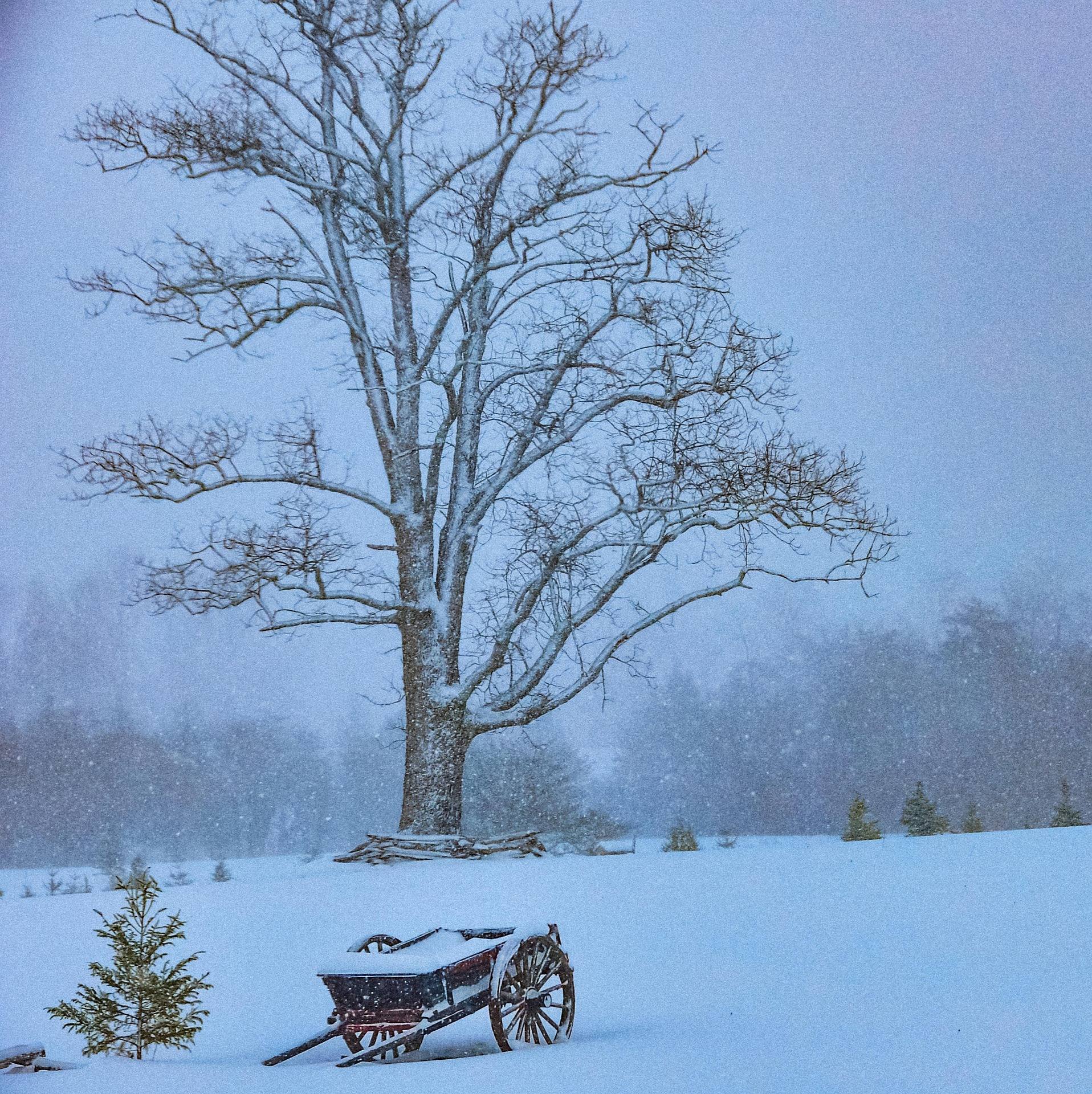
A thousand feet of vertical in Canaan Valley
Timberline Mountain sits in Canaan Valley, inside the Potomac Highlands — the region that holds every acre of West Virginia above 4,000 feet, up to Spruce Knob at 4,863. The published numbers for the ski area itself are compact: about 1,000 feet of vertical drop and roughly 40 trails.
That vertical figure is the one to hold onto, because it sets the ceiling on how long any single descent can be. A thousand feet is what the mountain has to spend, and how it spends it across forty trails is the whole character of the place.
Timberline is one of three downhill ski areas in the Potomac Highlands, and all three of West Virginia's downhill areas are in this region, along with the White Grass Nordic center. If you are building a ski trip around the state, you are building it here.
Salamander runs two miles from top to bottom
The longest trail in the mid-Atlantic is on this hill. Salamander covers two miles from the summit to the base, and length is the claim being made — not difficulty. It is a gentle cruiser, and the record is explicit that it is the reason many families choose Timberline.
The arithmetic explains itself. Two miles of trail spread across 1,000 feet of vertical averages a shallow grade, which is what makes the run last rather than what makes it demanding. For a new skier, that means a long descent with no section that forces a decision.
For a strong skier, Salamander is a warm-up lap and a way to show somebody the mountain, not the run you drove for. Treat it as the signature trail it is and plan the rest of your day around the other thirty-nine.
The steeper side is a comparison the record does not settle
Timberline's reputation in Canaan Valley is as the steeper of the valley's lift-served options. What this site can support is the vertical drop and the trail count. It does not hold a difficulty breakdown — no split of green, blue and black terrain, no pitch figures, no named steep runs.
So if steep terrain is the reason you are coming, read Timberline's own trail map before you commit to the drive, and ask what black terrain is actually open and groomed on the day you want. Early-season and late-season openings vary at any ski area, and this site publishes nothing about how they vary here.
The one thing the record is unambiguous about is the negative case: Salamander is not the test piece. Anything harder than that, you will need to confirm with the mountain.
The Canaan snow belt does the work
Timberline shares the Canaan snow belt with Canaan Valley Resort and White Grass, the Nordic center a short way up the valley. Three ski operations drawing on one localized snow pattern is unusual, and it is the reason this valley functions as a winter destination rather than a single hill.
That natural snow is now backed by snowmaking installed after the 2019 reopening. How much of the terrain the guns cover is not a figure this site holds, and neither are seasonal snowfall averages or typical opening and closing dates. Timberline publishes conditions at timberlinemountain.com, and that is the number to trust on any given morning.
The valley's cold is not incidental. Relict boreal communities survive across the Potomac Highlands from the last glaciation — red spruce forest, sphagnum bog, heath barrens more at home in eastern Canada. The climate that keeps those alive is the same one that fills the snow belt.
Mid-week and weekend are two different mountains
The record puts this plainly: mid-week here is dramatically quieter than weekends. If your schedule has any flexibility in it, that single choice will change your day more than equipment or conditions will.
The practical difference is time spent moving. On a mountain whose signature run takes two miles to deliver 1,000 feet, a lift line eats a meaningful share of the descent you came for. Quiet mid-week laps on Salamander are a different experience from the same run shared with a weekend crowd.
No visitor counts or lift-line figures are published for Timberline, so treat this as direction rather than data. If you can only come on a Saturday, arrive early and plan to be patient.
Snowboarding the same forty trails
The mountain's roughly 40 trails and 1,000 feet of vertical are open to boards, and Salamander's two low-angle miles make an unusually long descent to learn on. Low angle is a genuine advantage when somebody is still linking turns; it is a liability when they are not.
For an experienced rider, the calculation is the same as for a skier. Salamander is a long, easy line rather than a hard day, so the rest of the trail network has to carry the session.
Terrain park features, if any, are not something this site's record covers, and neither are rental or lesson programs. Ask Timberline directly if a park matters to your trip.
Questions to settle before you drive
Several things a first visit depends on are simply not in this record: lift ticket prices, operating hours, the season's opening and closing dates, the number and type of lifts, rentals, lessons and on-mountain lodging. None of it should be guessed at from a distance.
All of it is the ski area's own to publish. Timberline Mountain's site at timberlinemountain.com is the primary source for pricing, hours and daily conditions, and it is worth checking the morning of rather than the week before.
What you can plan on from here is the shape of the mountain: about 1,000 feet of vertical, roughly forty trails, one two-mile gentle run that is the longest in the mid-Atlantic, snowmaking and lifts renewed since 2019, and a valley that gets its own weather.
Reach people planning this trip
Placement alongside guides for outfitters, guides, shops and lodging.
List your business hereQuestions
how long is salamander at timberline mountain
how much is a lift ticket at timberline mountain
is timberline mountain good for beginners
when does timberline mountain open for the season
Read next
 Best of · Potomac Highlands
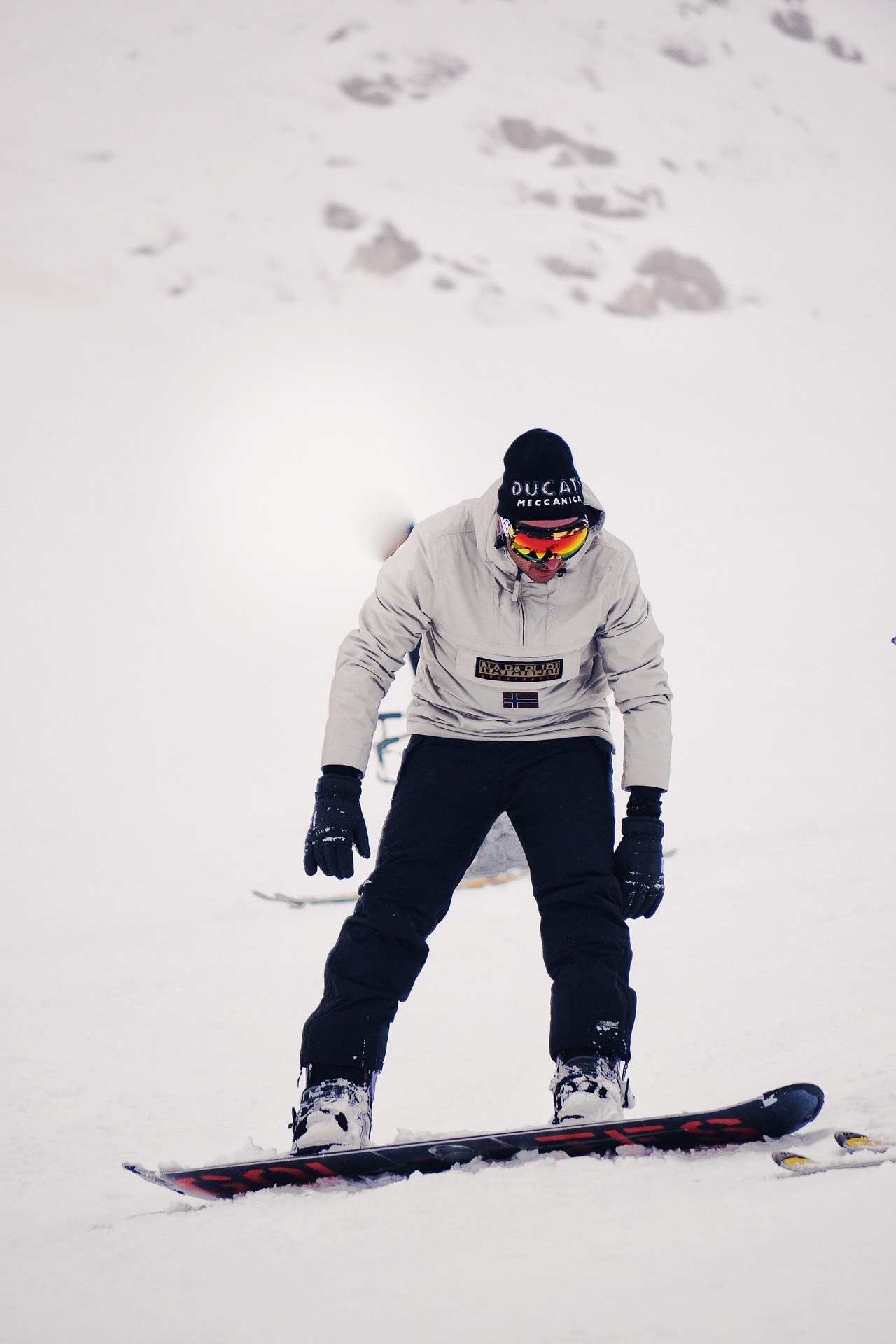
Skiing and Snowboarding in West Virginia
West Virginia ski resorts compared: Snowshoe, Timberline, Canaan Valley and White Grass, plus Nordic skiing, snow tubing and the snowiest corner of the state.
8 min read · February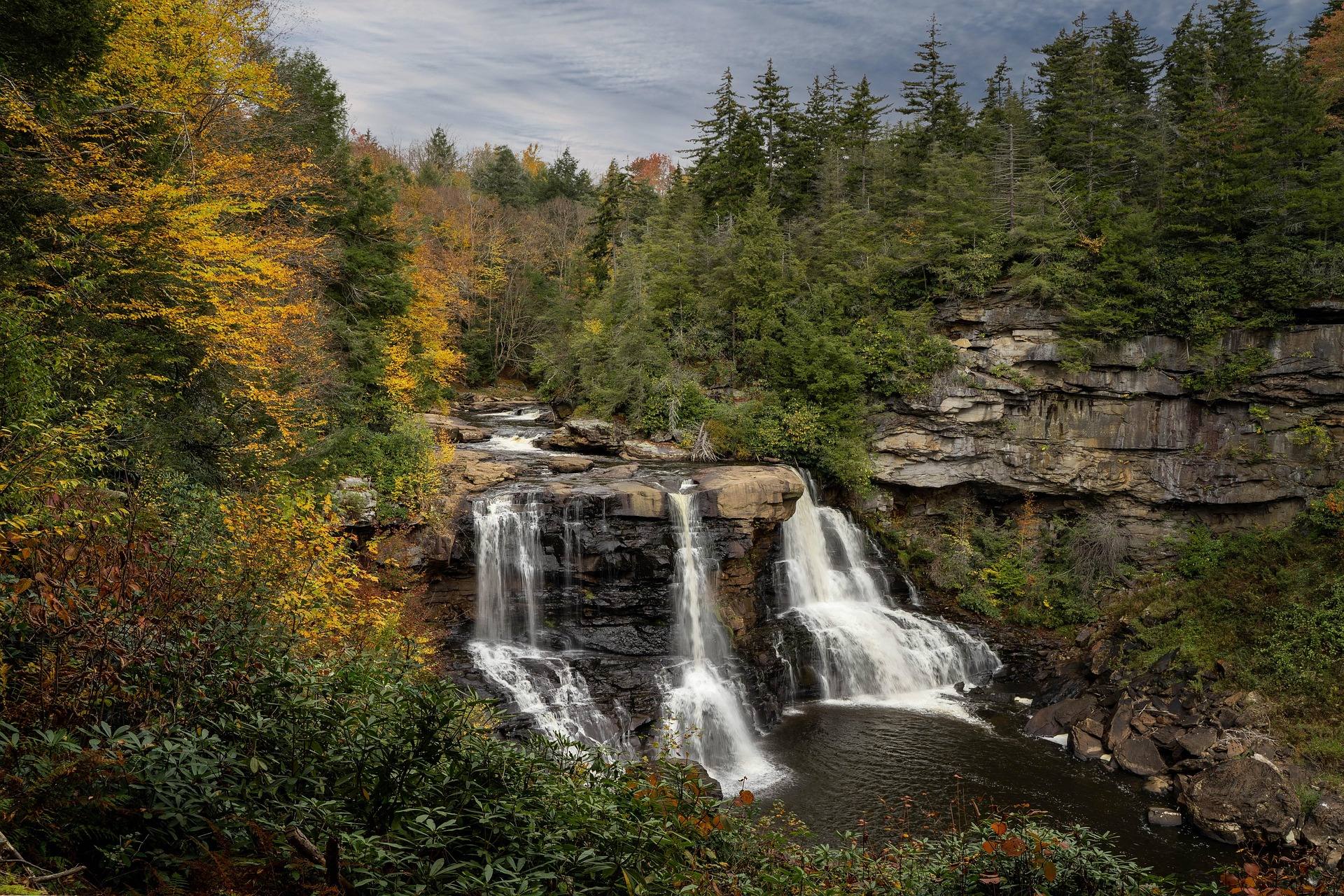 Destination · Potomac Highlands
Things to Do in Canaan Valley, West Virginia
A survey of Canaan Valley: three ski operations, a 17,000-acre refuge, Blackwater Falls, and what 3,200 feet of elevation does to every season here.
8 min read
Guide · Potomac Highlands
Cross-Country Skiing at White Grass
How White Grass works: 50-plus kilometers on Cabin Mountain, why the upper trails hold snow, rentals and lessons, and where to ski when it turns thin.
7 min read · February