
Every organization we link to: local tourism offices, the state and federal agencies that manage the land, the nonprofits and clubs that keep access open, and the universities doing the research.
West Virginia has roughly 1.5 million acres of public land and a handful of places that carry almost all of the attention. The consequence is that a great deal of very good ground sits nearly empty, usually for one of three reasons: nobody has heard of it, the road in is gated or rough, or it is undeveloped and has nothing to advertise. Those are the places below — of them across regions.
Almost Heaven Swings
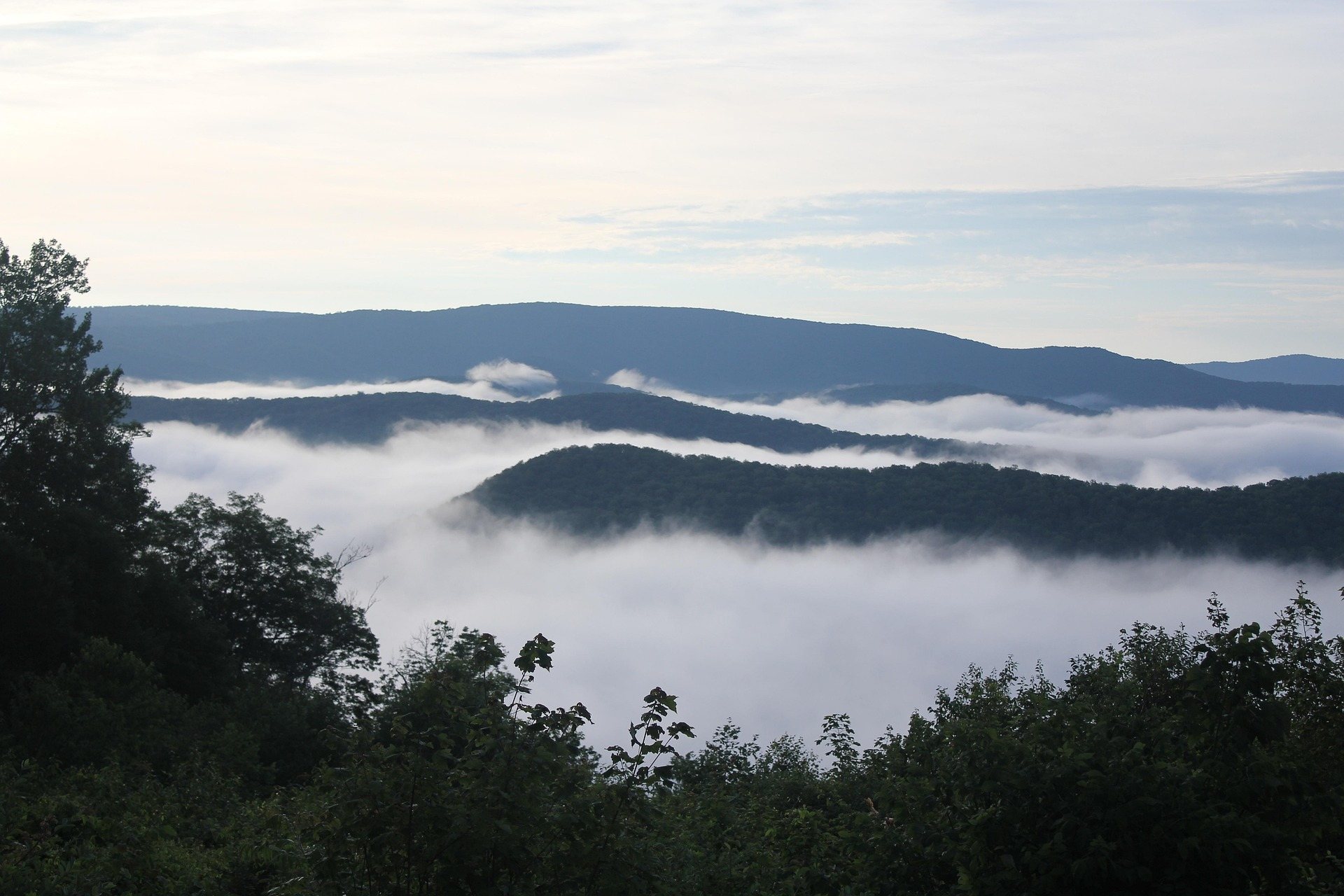
Chief Logan State Park
Most lists of things to do in Logan, WV start at Chief Logan State Park, and they are right to. The park covers 4,000 acres in Logan County, with a wildlife exhibit, an outdoor amphitheatre, and trails that run through country a mining company held not long ago. The Guyandotte Beauty Trail is the signature hike here — named for a plant, which tells you what the park expects you to look at. The trail network also carries mountain biking and birding, and there is a disc golf course. Camping is available on the state's April through October season.
The wildlife exhibit is the part that changes a rainy afternoon from a loss into something. It is also the reason this park works for families whose interest in walking runs out after a mile: the exhibit, the amphitheatre and the picnic ground sit near each other, so one member of a group can hike the ridge while the rest stay put. Hardwood forest covers most of the park and it turns in October, which is when the trails through the reclaimed sections look least like reclamation and most like ordinary Appalachian woods. What the park does not give you is a lake or a river of any size. Water here is creeks. If you want to fish or paddle something wider, that is a drive into a neighboring county rather than a walk from the campground, so build it into the plan before you arrive.
Riding the Hatfield-McCoy trails
The Hatfield-McCoy Trails are the reason people trailer machines here from a dozen states. Built across former coal lands beginning in 2000 and now running well over a thousand miles in nine or more connected systems, they make these five counties the largest off-highway vehicle destination in the eastern United States. The Hatfield-McCoy Regional Recreation Authority manages the network, riding is year-round, and every rider needs a permit — buy it online before you arrive or from a local vendor once you are here. Helmets are required statewide for anyone under 18.
Difficulty is color-coded by system, which is the single most useful thing to understand before booking. Green systems are the ones that suit side-by-sides and people who have never ridden a trail before; the harder colors are not a formality. Several towns in these counties, Man and Matewan among them, passed ordinances permitting machines on public streets, so riders reach fuel, food and lodging without loading a trailer between rides. That arrangement is unusual enough in the United States that it is worth a day of your trip on its own — riding to lunch instead of driving to it. Rain governs the rest. These are dirt and rock trails on steep ground, and a wet week turns the harder systems into a different proposition than the map suggests. Check conditions with the authority or a local outfitter, and keep a hiking day in reserve.
Wildlife and plants on reclaimed ground
The southern coalfields are the strangest wildlife-watching country in West Virginia because so much of the open ground is manufactured. Reclaimed surface mines produce grassland and forest edge in a state that is otherwise almost entirely closed canopy, and that edge is where animals show themselves. Black bear, river otter, beaver and bobcat all live in these counties, along with one of the densest whitetail populations in the region. West Virginia's reintroduced elk herd, brought back in 2016, occupies reclaimed mine land in Logan, Mingo and Boone counties, with viewing centered on the Tomblin WMA area rather than anywhere in town.
Dawn and dusk on forest edges and refuge roads produce the most sightings, and that is not a general platitude here so much as a schedule — the middle of a summer day in these hollows is quiet. Bring binoculars you can hold steady from a vehicle. If you want to log what you find and get identifications you can trust, iNaturalist is the practical tool, and the West Virginia Master Naturalist program is the structured way to learn the ecology behind what you are seeing rather than just ticking species off. Plant watching rewards the same patience. Second-growth hardwood, rhododendron and mountain laurel dominate the slopes, and the thickets that make spring bloom worth a drive are also what makes leaving a trail here a bad idea in any season.
Fishing near Logan
Fishing in this part of the state is a warm-water proposition. Smallmouth hold in the warm rivers, largemouth and muskie in the reservoirs, and catfish on the bigger water, with a year-round season and WVDNR handling licensing and regulations. If you plan to fish stocked trout water anywhere in the state, a trout stamp is required in addition to the fishing license. The quiet lakes worth a morning are in the counties next door rather than in Logan itself, so treat fishing as a half-day trip out rather than an evening after dinner.
One agency practice is worth knowing before you build a trip around stocked trout: WVDNR posts each day's stockings by the end of that business day and does not publish the schedule in advance. There is no calendar to plan against. You check what was stocked yesterday and decide this morning, which is why locals fish on short notice and visitors who came for a specific stretch of water are often disappointed. Plan the trip around a place you want to be, and treat the stocking report as a bonus rather than the reason you drove.
Camping and where to sleep
Chief Logan State Park is the practical lodging base close to town, and it is convenient to several of the trail systems, which is what most visitors actually need. State park campgrounds run the April through October season and are booked through the West Virginia state park system, with sites opening a year in advance; popular parks fill fast for summer weekends, so a July Saturday decided on in June is a gamble. Corps of Engineers lakeside campgrounds elsewhere in the region are consistently underrated if the state parks are full.
Riders who want a lodge and a restaurant rather than a tent tend to look at Twin Falls Resort State Park, over in Wyoming County. Closer in, the street-legal trail towns are the reason a lot of people skip camping entirely: if the machine can legally reach the motel, the trailer stays parked for the weekend. For private campgrounds and dispersed options that no agency lists, The Dyrt, Hipcamp and Campendium fill the gaps. No agency vouches for any of those listings, so read the recent reviews rather than trusting the photos and the star rating.
Fitting things to do in Logan, WV into a weekend
The seasons here do not line up neatly, which is the main planning problem for a short trip. Riding is year-round, camping in the state park system runs April through October, hiking is year-round in practice, and wildlife viewing is best at the two ends of the day in any month of the year. A spring or autumn weekend gets you all of it at once. A summer weekend gets you heat standing in the hollows and campgrounds that were booked in February. A January weekend gets you empty trails, early dark, and a longer search for somewhere warm to sleep than you expect.
October is the strongest single month for the things to do in Logan, WV that involve being outside. Hardwood forest across these counties turns, the reclaimed benches stay open and green underneath it, riding conditions are usually good after the summer storms quit, and the light at dawn and dusk does the most work it does all year. The one complication is that hunting seasons overlap the same weeks. Wear blaze orange on the wildlife management areas, where it is expected, and on state park trails in autumn, where it is simply cheap insurance.
A workable two-day plan looks like this: ride a color-coded system on the first day, with the permit bought before you leave home rather than in a parking lot; spend the second morning on the Guyandotte Beauty Trail and the wildlife exhibit at Chief Logan State Park; and put the last hour of daylight on a forest edge somewhere with binoculars in your hands. If rain closes the harder trail systems, invert the order — the park's trails and its exhibit hold up in weather that shuts a mountain trail system down for the weekend.
Reach people planning this trip
Placement alongside guides for outfitters, guides, shops and lodging.
List your business hereQuestions
What is there to do outdoors in Logan, West Virginia?
How big is Chief Logan State Park?
Do I need a permit to ride the Hatfield-McCoy Trails?
Can you ride an ATV on the streets in this area?
When is the best time of year to visit?
Do I need a trout stamp to fish here?
Read next
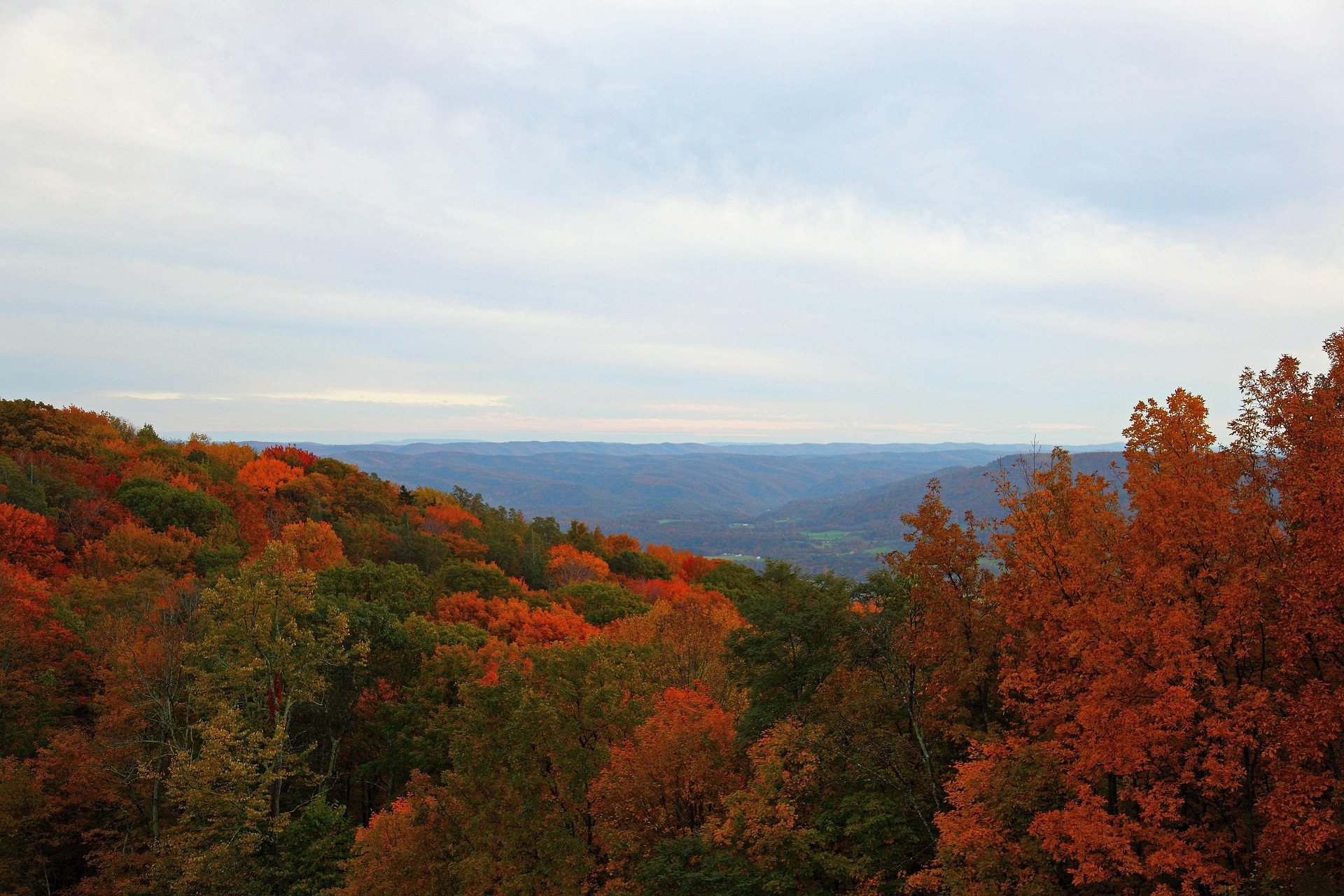 Destination · Southern Coalfields
The Hatfield-McCoy Trails
A guide to the Hatfield-McCoy Trails: the individual trail systems, permits, difficulty, ATV-friendly towns and how the network is organised.
8 min read Destination · Southern Coalfields
Things to Do in Gilbert, West Virginia
A rider's survey of Gilbert, West Virginia: street-legal riding, Hatfield-McCoy permits, elk country nearby, and where to sleep and fish.
7 min read
Guide · Southern Coalfields
Riding the Rockhouse Trail System
How riding Rockhouse works: what the tread is like, the permit every rider needs, the street-legal trail towns it links, and where to sleep.
6 min read · September