
Every organization we link to: local tourism offices, the state and federal agencies that manage the land, the nonprofits and clubs that keep access open, and the universities doing the research.
West Virginia has roughly 1.5 million acres of public land and a handful of places that carry almost all of the attention. The consequence is that a great deal of very good ground sits nearly empty, usually for one of three reasons: nobody has heard of it, the road in is gated or rough, or it is undeveloped and has nothing to advertise. Those are the places below — of them across regions.
Almost Heaven Swings
Six miles the highway never reaches
Between Romney and Moorefield, the South Branch of the Potomac cuts a gorge called the Trough. For six miles there is no road access. That single fact governs everything else about the place: how you get in, how long you are committed, and why the wildlife here behaves the way it does.
West Virginia has plenty of river that runs out of sight of pavement for a bend or two. Six continuous miles is a different category. It means no pull-offs, no bridges to bail at, and no way to look at the gorge from a car window.
There are exactly two ways in. One is a boat. The other is the Potomac Eagle excursion train, which runs alongside the water through the corridor the road never got.
The Potomac Eagle is the way in without a boat
If you are not paddling, the train is the easy answer. It runs the length of the road-free miles, which means you see the gorge from track level without a shuttle, a put-in or a weather window that suits an open boat.
That makes it the accessible option in a real sense. Anyone who can board a rail car can see the Trough, including people for whom a full day in a canoe is not on the table.
Schedules, fares, seasons and how far ahead seats sell are not in this site's record. Those belong to the railroad, and Hardy County's tourism office at hardycounty.com is the local starting point for current information on visiting the corridor.
Paddling it means finishing it
Once you put in above the Trough, you finish the float. There is no road to walk out to and nowhere to leave a vehicle in the middle, so the six miles are a single unbroken commitment. A full run through the gorge is a solid day trip.
Plan accordingly: check flows before you go, set the shuttle before you launch, and start early enough that daylight is not the thing you run out of. The consequences of a slow group are different on water you cannot leave.
The South Branch through here is classic open-boat river, which makes it good canoe water as well as good kayak water. This site's record puts the recreational paddling window at April through October. Specific put-in and take-out locations, river gauges and rapid classifications are not published here, so ask locally before you commit to a launch.
Bald eagles, and why they are reliable here
The Trough is one of the most reliable bald eagle viewing corridors in the mid-Atlantic. The birds are the headline, and they show up consistently rather than as a lucky sighting.
The absence of a road is a large part of the reason. Six miles with no traffic, no pull-offs and no foot access keeps disturbance low along a stretch of river that already has the water, the fish and the ridge-line perches eagles want.
From a boat, the technique is to drift and watch the ridge lines rather than the water. From the train, you watch out the window and let the corridor come to you. Either way, bring binoculars. May is the broader peak for songbirds if your interest runs past the eagles.
Smallmouth through water nobody walks to
Smallmouth fishing through the Trough is excellent, and the six road-free miles are much of the explanation. Water that cannot be reached from a bank sees a fraction of the pressure that roadside river does.
The access problem is the same as for paddling. You either float the whole gorge with your rods aboard or ride alongside it, and floating it is a day's commitment rather than an afternoon. That shapes what you can realistically fish — plan to cover water rather than work one hole.
WVDNR licensing and regulations apply. Sort out your license and check current size and creel rules before the put-in, because there is no convenient point on this stretch to fix an oversight.
What this record does not tell you
Several practical things are missing from what this site holds about the Trough, and none of them are worth guessing at. There are no published put-in or take-out points, no shuttle distances or drive times, no outfitter list, no train timetable or fares, and no gauge readings that define a good day for a loaded canoe.
The agencies to ask are straightforward. Hardy County's tourism office at hardycounty.com covers visiting the corridor generally and the excursion train specifically. The West Virginia Division of Natural Resources handles fishing licenses, regulations and boating rules.
What you can take from here is the shape of the trip. Six miles of gorge with no road. Boat or train. A full float is a day. Eagles are reliable. Smallmouth are worth carrying rods for. Everything past that is a phone call.
Reach people planning this trip
Placement alongside guides for outfitters, guides, shops and lodging.
List your business hereQuestions
how do you get to the trough west virginia
how long does it take to float the trough
can you see bald eagles at the trough
is the fishing good in the trough
Read next
 Best of
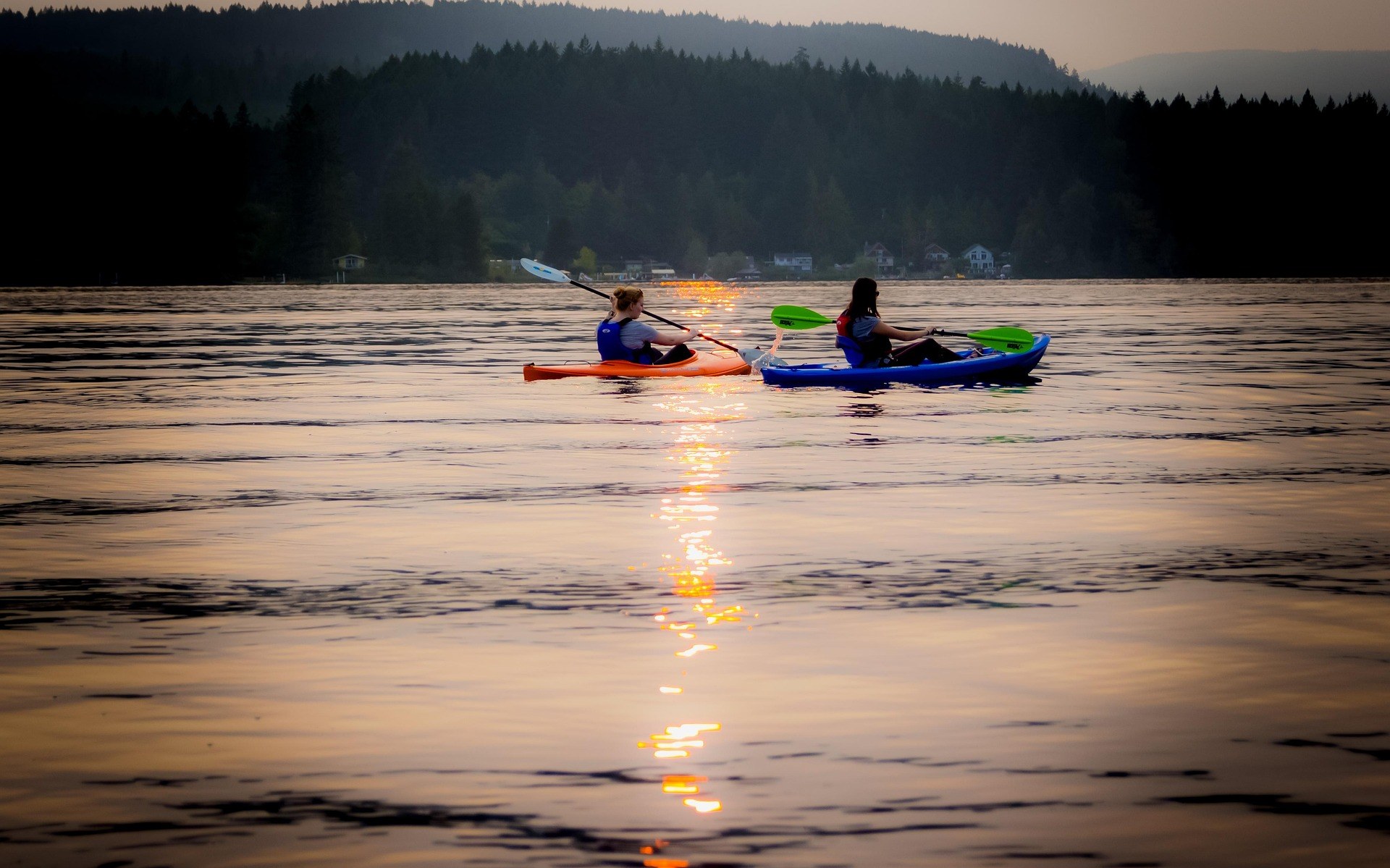
The Best Fishing Spots in West Virginia
Where to fish in West Virginia: trophy trout tailwaters, native brook trout streams, smallmouth rivers, muskie water and how stocking works.
10 min read · April Destination · Potomac Highlands
Smoke Hole Canyon: A Complete Guide
The smallmouth fishing, the two float sections and their landings, camping at Big Bend, and why late-summer water levels decide a Smoke Hole trip.
8 min read · May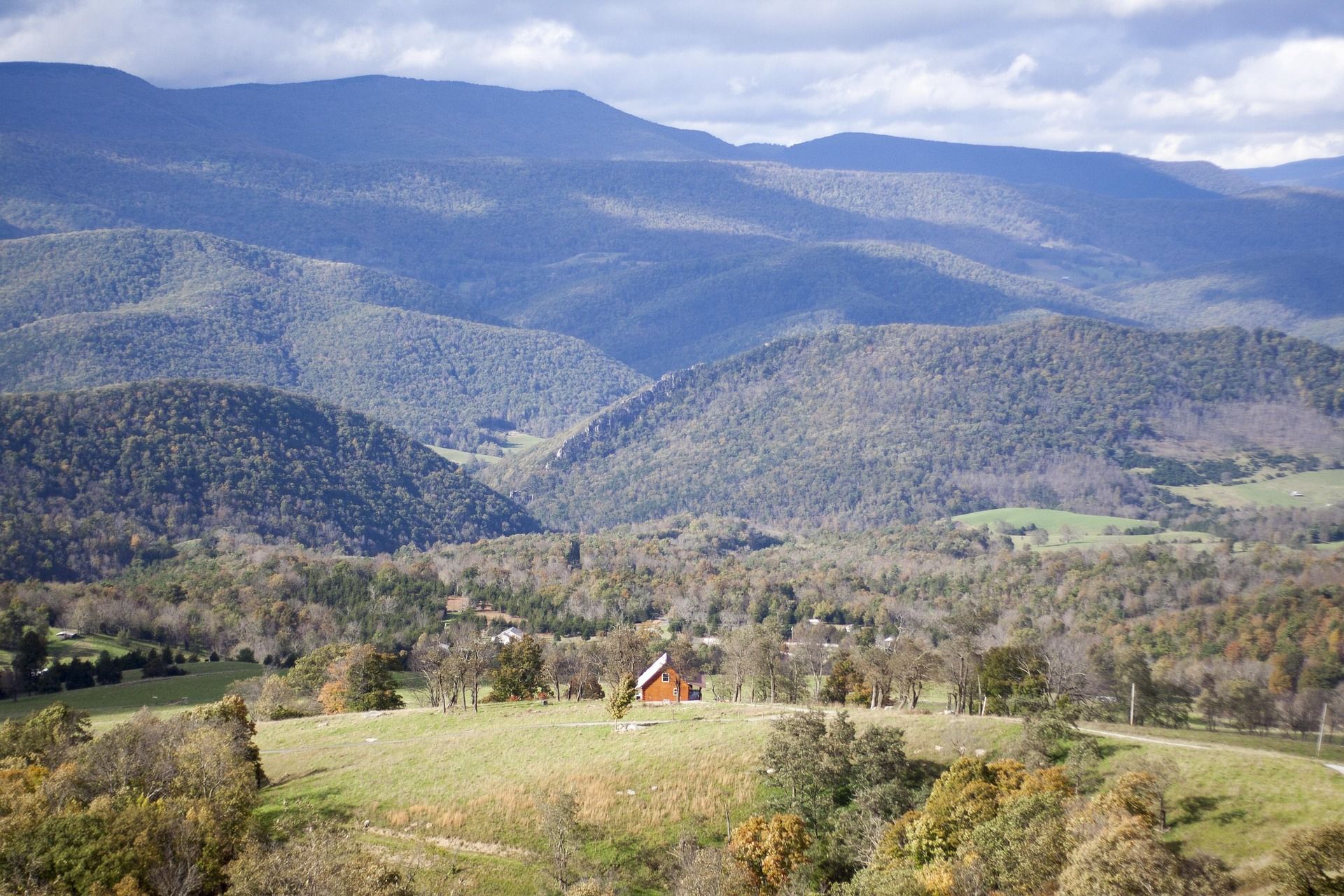 Itinerary · Potomac Highlands
Three Days in the Potomac Highlands
A three-day Potomac Highlands itinerary: Blackwater Falls, Dolly Sods, Seneca Rocks and Spruce Knob, with realistic driving and the forest roads to respect.
8 min read