
Every organization we link to: local tourism offices, the state and federal agencies that manage the land, the nonprofits and clubs that keep access open, and the universities doing the research.
West Virginia has roughly 1.5 million acres of public land and a handful of places that carry almost all of the attention. The consequence is that a great deal of very good ground sits nearly empty, usually for one of three reasons: nobody has heard of it, the road in is gated or rough, or it is undeveloped and has nothing to advertise. Those are the places below — of them across regions.
Almost Heaven Swings
Where the forest is and how you reach it
Panther sits deep in McDowell County, in the southwestern corner of the state where deep mining set the settlement pattern and the roads still follow the hollows instead of cutting across them. That geography is the first practical fact about Panther State Forest in West Virginia: the forest is not on the way to anywhere else. Nobody passes it en route to something bigger, which is most of the reason 7,810 acres of public land can stay as empty as this one does. Panther is convenient to several of the Hatfield-McCoy trail systems, so some visitors arrive with machines on a trailer and use the forest as quiet ground at the end of a riding day.
The forest's own guidance about getting in is short, and it is worth taking literally: the access roads are narrow and winding. In practice that means a slow approach, real care on blind curves, and no way to make up lost time. Trailers and long rigs are the vehicles most affected, and meeting oncoming traffic on a single-lane bend is the situation to plan around. The state does not publish a drive time from any particular town, so work the approach out on a map rather than on an estimate, and give yourself daylight for the last leg on a first visit. Arriving after dark on roads like these turns an easy half hour into the hardest part of the day.
What the forest publishes about camping
Panther has a small campground. That is the extent of what the managing agency publishes about it in the record this site works from — no site count, no loop layout, no hookup detail and no nightly rate. If any of those specifics decide your trip, get them from the state park system directly before committing a long drive to a forest this far out. Primitive camping is also among the uses the forest lists, alongside developed camping, hiking, fishing, hunting and birding, which gives a self-sufficient group more than one way to spend a night here.
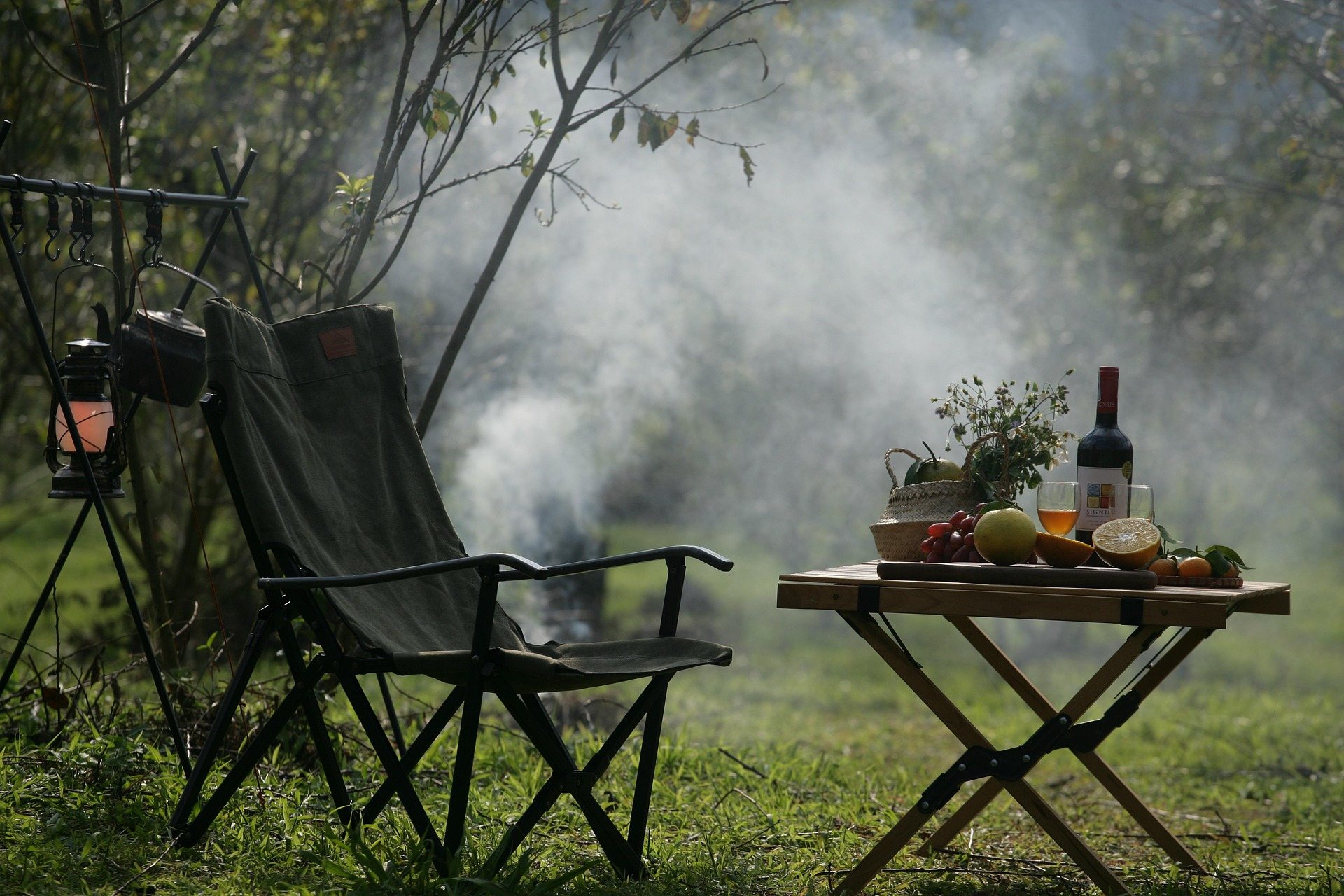
State park and forest campgrounds in West Virginia are booked through the state park system, and sites open for reservation a year out. Popular parks fill fast for summer weekends. Panther is not one of them — its own agency describes it as very lightly visited — so the calendar pressure that governs a stay at the marquee units is largely absent, and that is the trade: fewer amenities and a harder drive in exchange for a campground that is rarely full. May is a good month for a first stay. The hardwood has leafed out, nights are still cool enough to make a fire worth building, and the summer heat that settles into these narrow valleys has not arrived. Bring what you need, because a forest this remote is no place to plan on a supply run.
The overlook climb
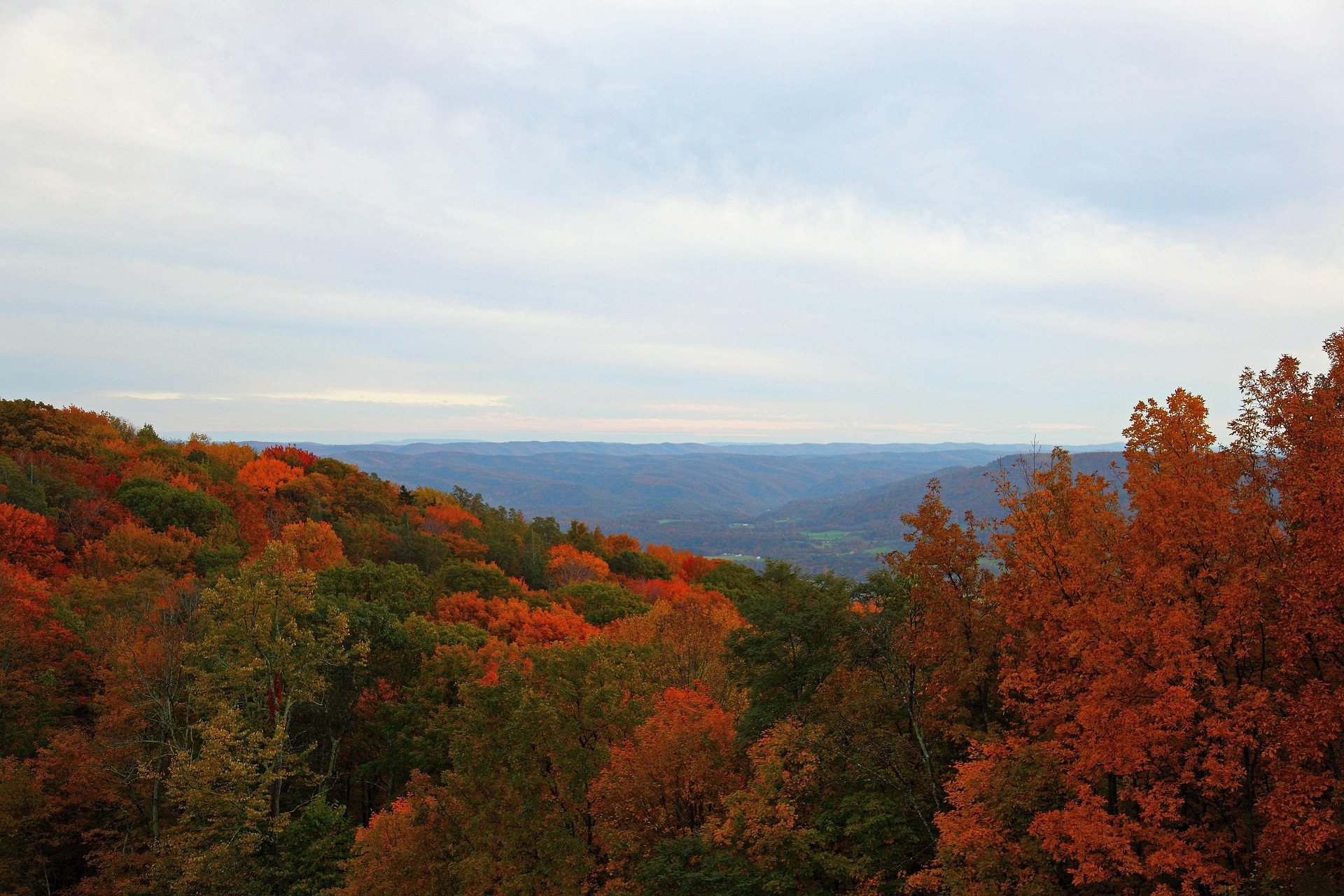
The one named viewpoint here is the Panther State Forest Overlook, and the agency classes it as a day hike rather than a roadside stop. It is a steep climb to sandstone outcrops looking across the rugged Cumberland Mountains — about as far off the tourist map as West Virginia gets. What you see from the top is the same broken terrain the access roads have just spent the last stretch of the drive working through, which is the clearest way to understand why this corner of the state stayed hard to reach. The outcrops make for exposed footing at the edge, and nothing about a viewpoint this lightly used guarantees a railing.
No mileage and no elevation gain are published for the route, so treat it as a climb of unknown length and pace it that way rather than trusting a guess from somewhere else. Carry water for a full outing even if the trail map you are handed makes it look brief, and start with enough daylight left to come down at walking speed. Unlike some viewpoints in the state system, the agency does not name a best time of day for the light here, so neither sunrise nor sunset is the published answer — go when you have the hours and the legs for the grade. On a weekday in a forest this quiet, you should expect to have the outcrops to yourself.
Hiking the steep hardwood
Hiking is one of the forest's listed activities, and the trails run through steep hardwood — there is very little flat ground anywhere inside the boundary. The state does not publish a trail-by-trail set of mileages and elevation gains for Panther the way it does for the larger resort parks, so the honest planning approach is to get the current trail map at the forest and treat every route as steeper than its distance suggests. Rhododendron and mountain laurel make off-trail travel difficult across southern West Virginia, so cutting between trails is almost never the shortcut it looks like on paper, and a hillside that reads as open on a map can be a thicket on the ground.
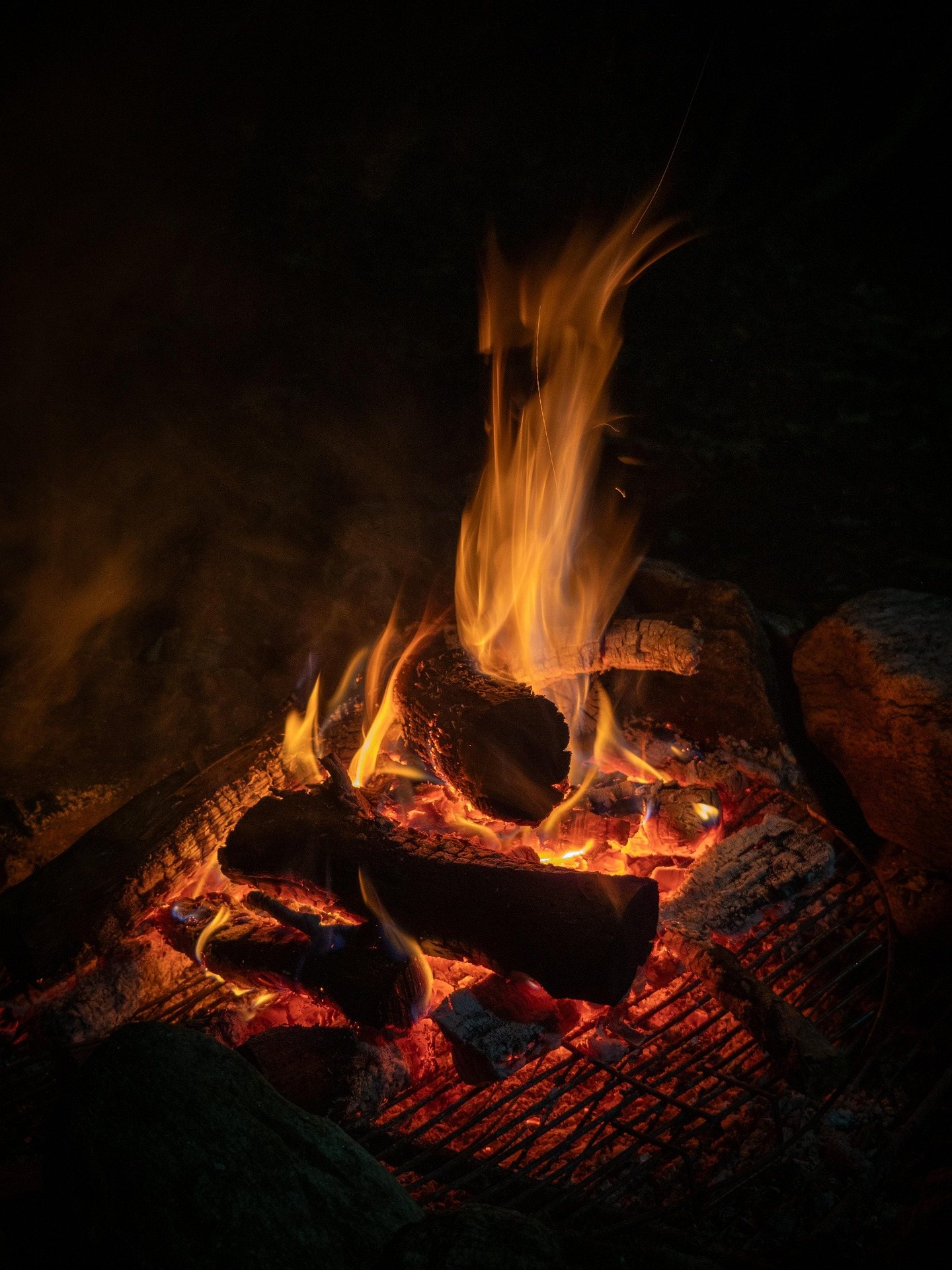
The second condition is hunting, which is one of the uses this forest supports, and the seasons overlap the best autumn hiking weather in the state. Wear blaze orange in autumn and winter and assume you are sharing the ridges with people who got there earlier. Spring and early summer sidestep the issue, which is another argument for a May trip. The payoff for the climbing and the thickets is the thing the agency keeps repeating about this unit: it is very lightly visited. On an ordinary weekday the trails are effectively yours, and that is not a claim many state-managed hiking areas in the eastern United States can honestly support.
The swimming pool, the fishing and the birding
Panther has a swimming pool, and in a forest this remote that is a more consequential amenity than it sounds — it is the one built attraction that turns a hot afternoon into something a family can use without another long drive. The state does not publish an operating season, daily hours or an admission price for it in the record we hold, and small units commonly run pools on a shorter summer schedule than the resort parks do. Confirm the pool is open before building a trip around it, particularly at the shoulders of the season, when a pool may be filled but unstaffed.
Fishing is also on the forest's list of uses. Fishing in West Virginia runs year-round, WVDNR administers licensing and regulations, and a trout stamp is required in addition to a fishing license on stocked trout waters. WVDNR posts each day's stockings by the end of that business day and does not release the schedule in advance, so the daily postings are the only reliable way to know where a truck has been anywhere in the region. Birding belongs on the list for a structural reason rather than a scenic one: a large block of unbroken hardwood with almost no visitors is the habitat where interior forest species are easiest to hear. Dawn and forest edges produce the most sightings.
If Panther does not fit the trip
The closest thing to Panther in character is Cabwaylingo State Forest, a large, quiet forest in Wayne County named for the four counties it borders. It covers 8,123 acres and, like Panther, is among the least-visited units in the system, so it delivers the same emptiness with more built lodging behind it. Its rustic CCC cabins, from the 1930s, are the main lodging, and the forest also has a campground and a fire tower. Trout are stocked in Twelvepole Creek tributaries there, which gives Cabwaylingo a fishing draw that Panther's record does not claim. Between the two, Cabwaylingo is the easier sell for a group that wants a roof and a stocked stream; Panther is the one for a group that wants distance.
The booking channels are worth knowing before you start comparing. State forest and park campgrounds and cabins are reserved through the state park system, a year out for the sites that actually fill, while federal campgrounds in the region go through Recreation.gov instead. Corps of Engineers lakeside campgrounds are consistently underrated if your trip can move to water, and private and dispersed options that neither system lists tend to surface on The Dyrt, Hipcamp and Campendium. Whichever unit you settle on, close the questions the records leave open before you drive: whether the campground has a site for your night, and whether the pool is running. McDowell County is a long way to backtrack.
Reach people planning this trip
Placement alongside guides for outfitters, guides, shops and lodging.
List your business hereQuestions
How big is Panther State Forest?
Is there camping at Panther State Forest?
How hard is the drive in?
Is there a swimming pool at Panther?
How long is the hike to the Panther State Forest Overlook?
What is a similar alternative if Panther is booked?
Read next
 Destination · Southern Coalfields
The Hatfield-McCoy Trails
A guide to the Hatfield-McCoy Trails: the individual trail systems, permits, difficulty, ATV-friendly towns and how the network is organised.
8 min read
Destination · Southern Coalfields
Things to Do in Gilbert, West Virginia
A rider's survey of Gilbert, West Virginia: street-legal riding, Hatfield-McCoy permits, elk country nearby, and where to sleep and fish.
7 min read
Guide · Southern Coalfields
Riding the Rockhouse Trail System
How riding Rockhouse works: what the tread is like, the permit every rider needs, the street-legal trail towns it links, and where to sleep.
6 min read · September