
Every organization we link to: local tourism offices, the state and federal agencies that manage the land, the nonprofits and clubs that keep access open, and the universities doing the research.
West Virginia has roughly 1.5 million acres of public land and a handful of places that carry almost all of the attention. The consequence is that a great deal of very good ground sits nearly empty, usually for one of three reasons: nobody has heard of it, the road in is gated or rough, or it is undeveloped and has nothing to advertise. Those are the places below — of them across regions.
Almost Heaven Swings
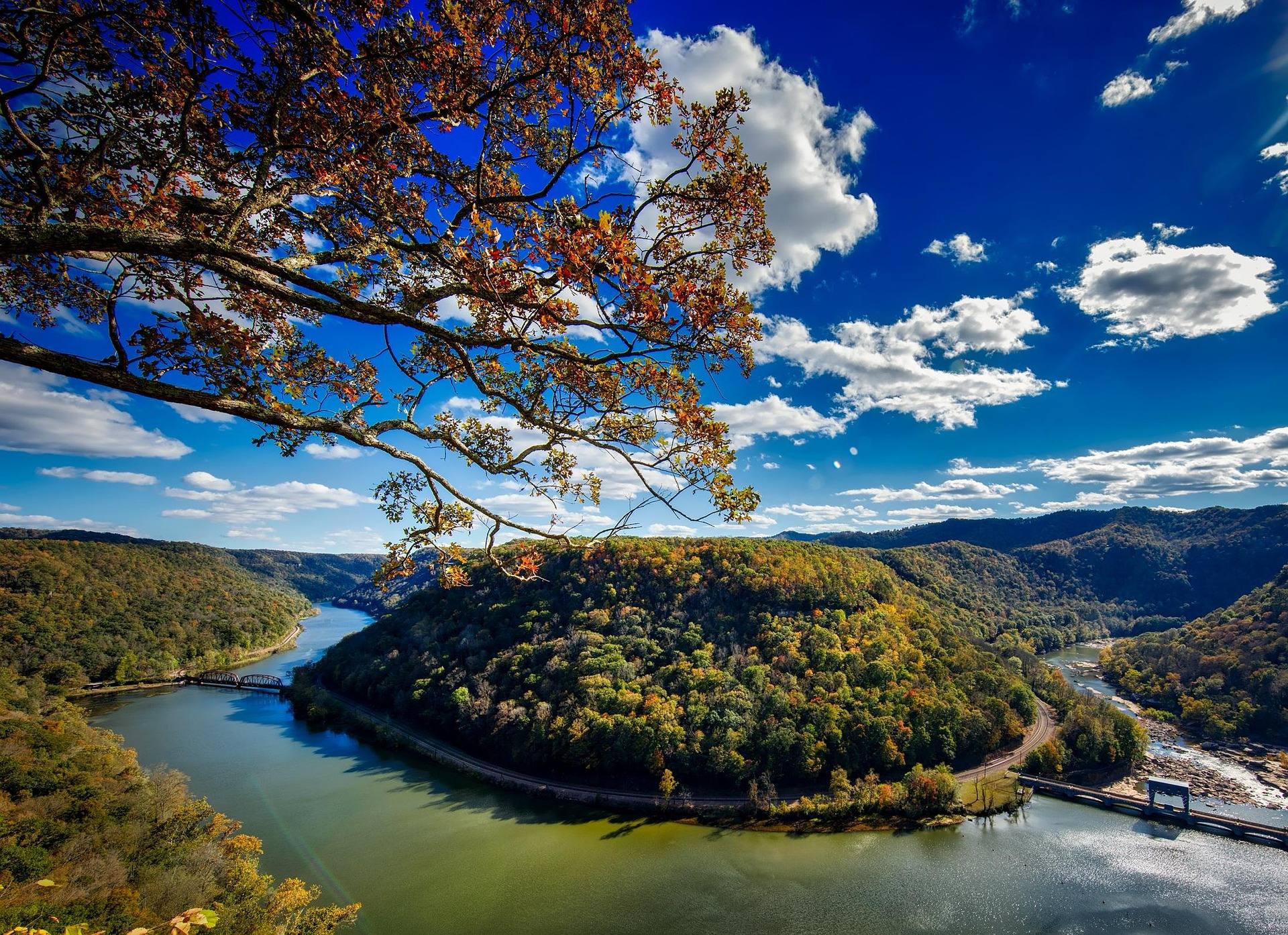
Where the elk are
Elk viewing in West Virginia means the southern coalfields, and nowhere else. The reintroduction dates to 2016, and the animals have settled on reclaimed surface mines in Logan, Mingo and Boone counties — the same three counties that carry the trail systems and the old company towns. Within that range, viewing is centered on the Tomblin Wildlife Management Area. That is the name to plan around: it is the piece of the elk's range that is public land, managed by the West Virginia Division of Natural Resources, and it is where a visitor has a legitimate reason to be standing at first light.
Everything else about the range is more complicated than a map suggests. Reclaimed mine land in these counties is a patchwork of ownership, much of it private, and the elk do not recognize the boundaries. A herd photographed from a public road one week may be well inside private property the next. Plan a trip around the public ground and treat any sighting beyond it as luck rather than as an itinerary, and check current access and any conditions with WVDNR before you drive down. Phone coverage in these hollows is patchy enough that whatever map you intend to use should be on the device before you leave pavement.
Why reclaimed mine land
It looks wrong until you think about what an elk eats. West Virginia is overwhelmingly steep, closed-canopy hardwood forest, and a mature hardwood stand puts almost nothing edible within reach of a large grazing animal — the productive layer is up in the canopy, out of reach. Surface mining removed that canopy, and reclamation replaced it with graded benches seeded in grass. The result is broad open grassland sitting in the middle of forest, which is close to ideal elk habitat and does not otherwise exist at this scale in West Virginia. The animals did not need to be taught to find it.
That is also why the viewing is genuinely good rather than theoretical. Open ground means sightlines: on a forested ridge you would hear elk and never see them, but on a reclaimed bench an animal is visible across a long distance. The edges are where to look — the seam where grassland meets the returning treeline, which is what wildlife biologists mean by edge habitat and what an animal uses to feed in the open while staying a few strides from cover. Scan the seam rather than the middle of a bench, and scan it slowly; a bedded elk in tall autumn grass is a shape rather than an animal until it moves.
The hours that produce sightings
Dawn and dusk. Every practical account of viewing these animals comes back to the same thing: forest edges and open ground at either end of the day, when the light is low and the temperature is moving. Midday sightings happen, but planning for them wastes the trip. That means being in position before first light rather than arriving at it, and it means accepting that the second half of the day's viewing window ends with a drive out of the coalfields in the dark on narrow roads. Budget for that drive when you choose where to sleep, because the difference between a short run back and a long one on switchbacks is what decides whether you actually get up for the second morning.
Wildlife viewing in West Virginia is a year-round, beginner-level activity, and looking at elk needs nothing booked in advance — only the right hours and the right ground. Bring more optics than you think you need — the distances on reclaimed ground are longer than they appear, and a spotting scope turns a brown smudge into a countable group. Wind matters more than concealment on open benches. Keep it in your face and stay put; a stationary watcher a long way off changes elk behavior far less than a quiet one walking closer.
Access, permission and the rules of the ground
Elk viewing in West Virginia is constrained less by the animals than by who owns the ground they are standing on, and this is the part that separates a good trip from a wasted one. The herd's range crosses private industrial land, and access there is not implied by the absence of a fence — reclaimed mine land is still working ground, with active haul roads, equipment and hazards, and permission is a thing you ask for rather than assume. Stay on public land and public roads unless you have been told otherwise by whoever owns the ground. WVDNR administers wildlife management in the state and is the authority on where viewing is permitted and under what conditions; ask them rather than a forum.
The same land is hunting land, which matters twice. First, autumn seasons overlap the best viewing months, so wear blaze orange on a wildlife management area from autumn into winter, whether or not you are carrying anything. Second, the rules on wildlife management areas govern more than firearms — how you may drive, park and camp is set by the agency, and elk are a managed reintroduced population rather than general game. Read the current WVDNR regulations for the area you are visiting before you go looking, and take the answer you get from the agency over the one you get from somebody who was down there last year.
What else is on the same ground
The coalfields hold black bear, river otter, beaver, bobcat and one of the densest whitetail deer populations in the region, and a dawn spent watching for elk usually produces several of them. Bear on reclaimed ground behave like bear anywhere near people: keep food secured and give them distance. Whitetail are so numerous here that the practical hazard is the drive rather than the wildlife — the roads into these hollows are narrow, and dawn and dusk are exactly when deer are moving across them. River otter and beaver are water animals and want a different search: check the still ends of ponds and the impounded creeks rather than the open grass.
Log what you see. iNaturalist is the straightforward way to record and identify sightings, and observations from these counties are useful to the people tracking how far the herd has spread since 2016 — a reintroduced population is measured partly by where members of the public keep reporting it. Note the time and the weather with the location; on open reclaimed ground both explain more about a sighting than the coordinates do. If you would rather learn the ecology properly than tick species off a list, West Virginia's Master Naturalist program is the structured route into it, and the same skills apply to the sphagnum bogs and heath balds at the other end of the state.
Building a trip around elk viewing in West Virginia
Two low-light sessions bracketing a long empty middle is the shape of an elk day, and the coalfields give you something to do with the hours between. Chief Logan State Park covers 4,000 acres in Logan County with a wildlife exhibit, an outdoor amphitheater and trails through reclaimed coal country — the same landscape recovery story the elk are the end of — and its signature hike is the Guyandotte Beauty Trail. Laurel Lake Wildlife Management Area in Mingo County, 12,854 acres around a 29-acre lake, adds warm-water fishing and primitive camping at designated sites.
The elk range also overlaps the Hatfield-McCoy Trails, which run more than 1,000 miles of off-highway riding across the same former coal lands, so lodging in the region is built for riders and is busiest when they are. October is the month to aim for: the hardwood color is up, the grass on the benches has not gone under, and the low-angle light at both ends of the day is what makes an animal a long way out worth photographing. Book a bed before you finalize the mornings; October fills the region for reasons that have nothing to do with elk.
Reach people planning this trip
Placement alongside guides for outfitters, guides, shops and lodging.
List your business hereQuestions
Where can you see elk in West Virginia?
When were elk reintroduced to West Virginia?
What is the best time of day for elk viewing?
Do you need a permit or a guide to see the elk?
Is it safe to walk on reclaimed mine land?
What should you bring?
Read next
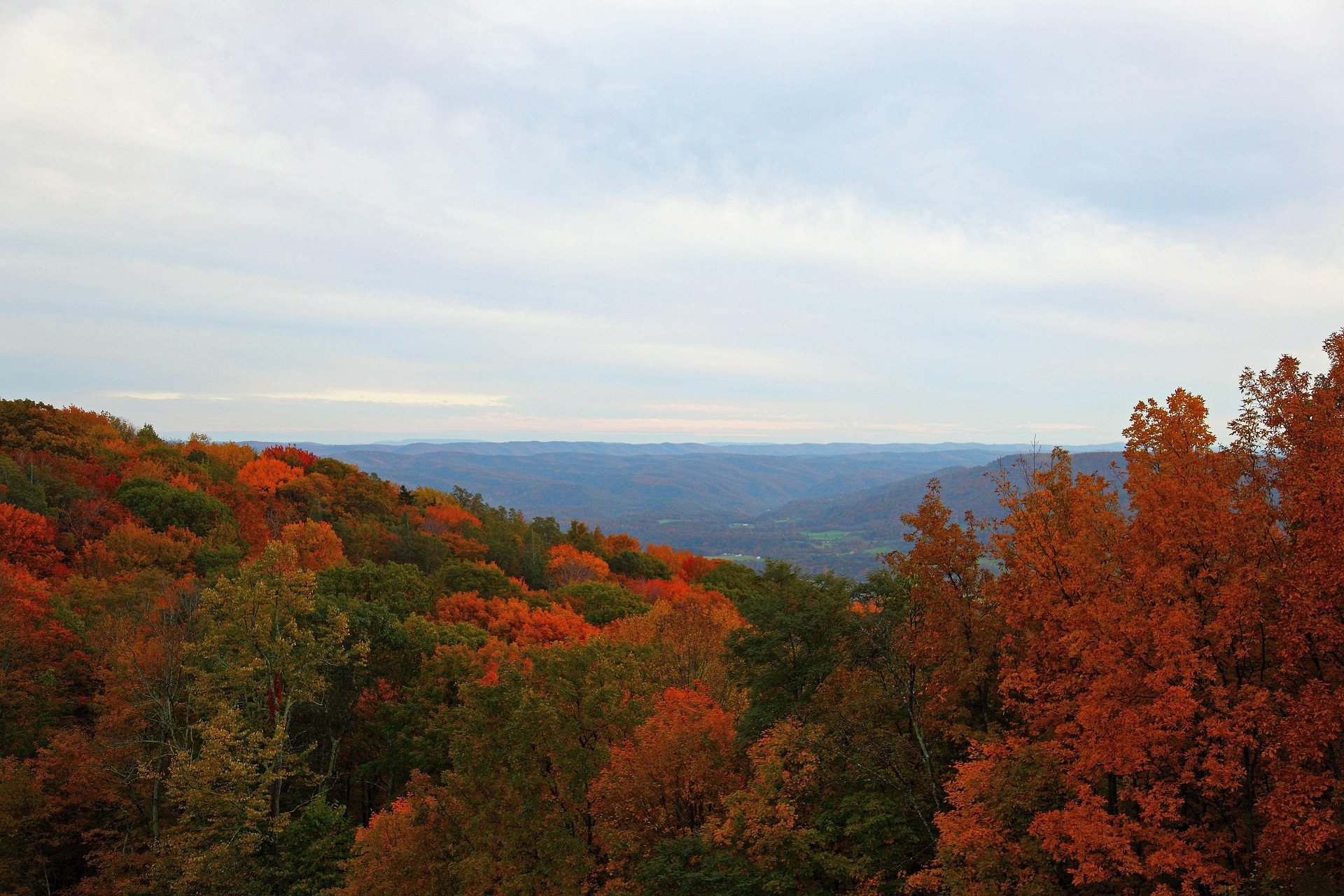 Destination · Southern Coalfields
The Hatfield-McCoy Trails
A guide to the Hatfield-McCoy Trails: the individual trail systems, permits, difficulty, ATV-friendly towns and how the network is organised.
8 min read Destination · Southern Coalfields
Things to Do in Gilbert, West Virginia
A rider's survey of Gilbert, West Virginia: street-legal riding, Hatfield-McCoy permits, elk country nearby, and where to sleep and fish.
7 min read
Guide · Southern Coalfields
Riding the Rockhouse Trail System
How riding Rockhouse works: what the tread is like, the permit every rider needs, the street-legal trail towns it links, and where to sleep.
6 min read · September