
Every organization we link to: local tourism offices, the state and federal agencies that manage the land, the nonprofits and clubs that keep access open, and the universities doing the research.
West Virginia has roughly 1.5 million acres of public land and a handful of places that carry almost all of the attention. The consequence is that a great deal of very good ground sits nearly empty, usually for one of three reasons: nobody has heard of it, the road in is gated or rough, or it is undeveloped and has nothing to advertise. Those are the places below — of them across regions.
Almost Heaven Swings
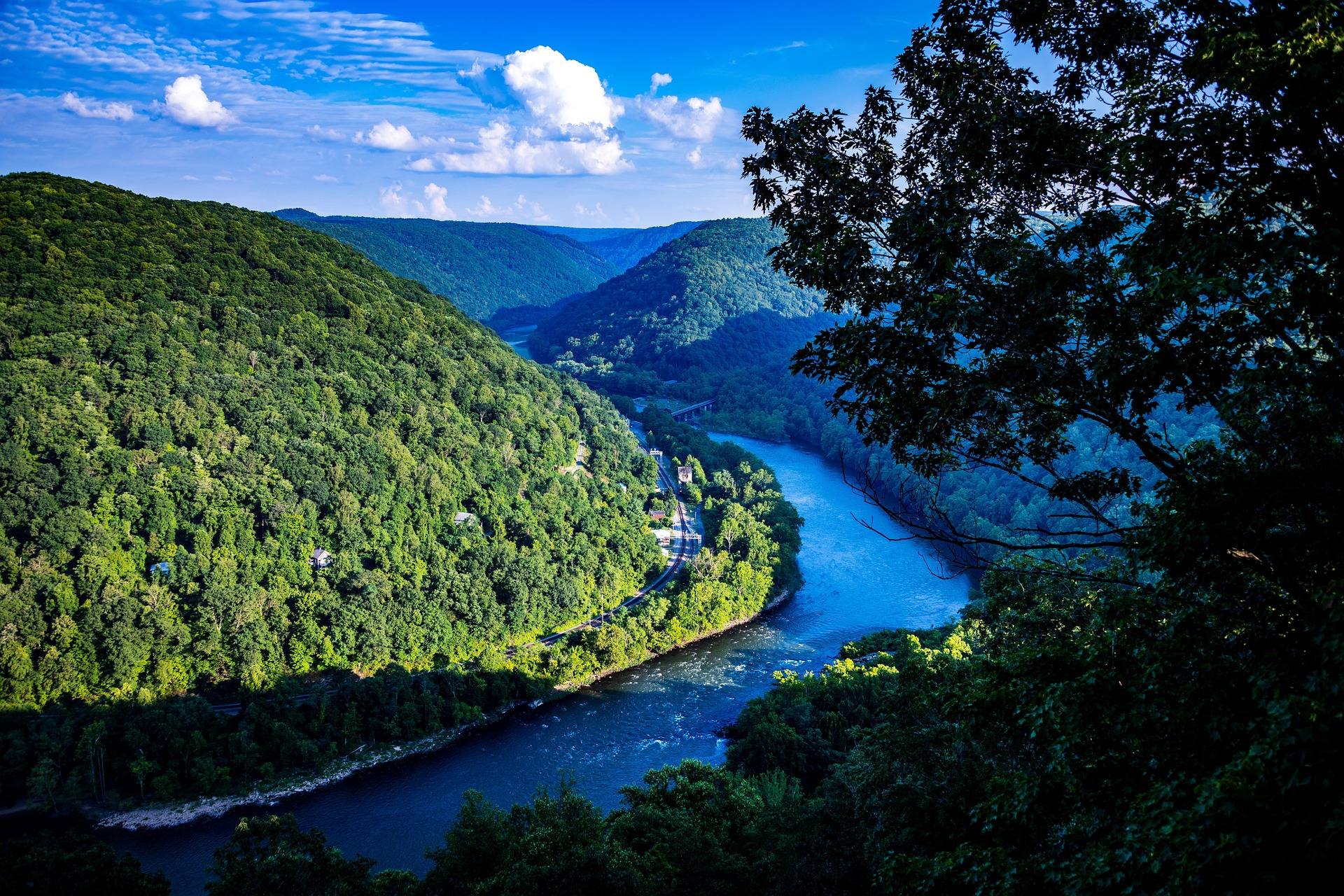
The rules, as West Virginia writes them
Nothing in the state's boating rules requires a guide or a commercial outfitter. What the rules do require is narrow and easy to satisfy: motorboats must be registered, operators born on or after December 31, 1986 need a boater education certificate, and a life jacket must be aboard for every person on any vessel, kayaks, canoes and paddleboards included. Horsepower limits vary by lake, which is a reservoir question rather than a river one.
No permit applies to running the New privately. That makes this a question of competence rather than paperwork, which is the harder version of the question and the one worth spending time on. The gorge is National Park Service ground, so check the park's conditions page at nps.gov/neri for alerts, road status and trail closures before you drive out.
The water a private trip takes on
Our record for the Lower New reads Class III-IV at summer levels, with the character noted simply as big volume, through the deepest part of the gorge. This is the commercial heart of rafting in West Virginia, which tells you something on its own: outfitters concentrate here because the water carries paying passengers well at summer flows.
The rapids are known by name, among them Surprise, Upper and Lower Railroad, Double Z, Greyhound, and Fayette Station, which is the final drop, directly beneath the bridge. A named rapid list is practical rather than decorative. It means the sequence is public, that people discuss these features individually, and that anyone running the river privately is expected to know which one is coming.
Big volume is shorthand for water that takes its force from the weight moving through a wide bed rather than from a steep, tight, technical one. For actual numbers, American Whitewater publishes section-by-section recommended flow ranges for West Virginia, and USGS real-time gauges cover every gauged stream in the state. Read both before you commit to a date.
Season decides which river you get
March and April are the private boater's season statewide, when snowmelt and spring rain bring the Cheat, the Blackwater, the Meadow and the Highlands creeks up. That same water makes the Lower New serious: our record calls it warm and forgiving at summer levels and serious at spring flows, and the class rating alone will not tell you which one you have driven to.
July and August invert the problem. Everything below 2,500 feet is hot and humid, water levels drop, and whitewater across the state narrows to the New and the dam-fed sections. Summer temperatures here also make the consequences of a swim much lower than on the Gauley, which is the most useful line in our record for anyone weighing a private trip. Warm water buys a swimmer time and judgment.
From the Friday after Labor Day, Gauley Season release weekends pull the whitewater community into Nicholas and Fayette counties, and September and October are the busiest weeks of the year in the region. Lodging in Fayetteville books months ahead. Plan a private trip in that window with the crowds in mind, or take a weekday.
Above Thurmond it is a different river
Some people typing this search do not want the Lower New at all. The Upper New, above Thurmond, is Class I-III family water in our record: a separate stretch with a separate character, and the sensible answer for a group that wants to be on the New River without hiring guides for Class IV.
Our record publishes no access points, shuttle distances or season for that stretch, so build the day from live sources: USGS gauges for flow, American Whitewater for the range that section wants, and the park's conditions page for anything closed. Thurmond is also one of six West Virginia stops on Amtrak's Cardinal, which runs three days a week, and is a rare case of a national park reachable by long-distance train.
What the guide was doing for you
An outfitter supplies three things a private group has to supply itself: people who have run Double Z at that day's level, equipment sized and maintained for that water, and a shuttle at the end. Priced out one at a time, those account for a fair share of what a self-supported trip costs anyway.
The risk is not theoretical. More people get hurt on West Virginia rivers than anywhere else outdoors in the state, levels change within hours of rain, and strainers, undercut rocks and foot entrapment kill experienced paddlers. Check the level before you launch, wear the life jacket rather than stowing it, and treat a rising gauge as a reason to reschedule.
Rescue is the other half of the arithmetic. Backcountry rescue here often means volunteer squads, long carry-outs and no helicopter option under a canopy in a gorge, which describes the Lower New exactly. Tell somebody your plan and your return time before you put in.
Parking, put-ins and why the access still exists
River access at many West Virginia put-ins survives because somebody maintains a relationship with a landowner, and one bad interaction can close a spot for everyone, permanently. Illegal parking is the single most common cause of access loss at put-ins and climbing areas alike. If the lot is full, go somewhere else that day.
Getting there takes longer than a map implies. US 19 links I-79 to I-64 through Summersville and Fayetteville and is the main artery of the New River Gorge, and sixty road miles in this state can take two hours. Check real drive times rather than estimating, particularly if you are coming from the Highlands.
Either way the day ends in the same place. Fayette Station is the last drop, directly beneath the bridge, whether a guide is in the boat or not.
Reach people planning this trip
Placement alongside guides for outfitters, guides, shops and lodging.
List your business hereQuestions
Do you need a guide to raft the New River?
How hard is the Lower New River?
Is the New River warm enough to swim in summer?
When is the best time to run the New without a guide?
Read next
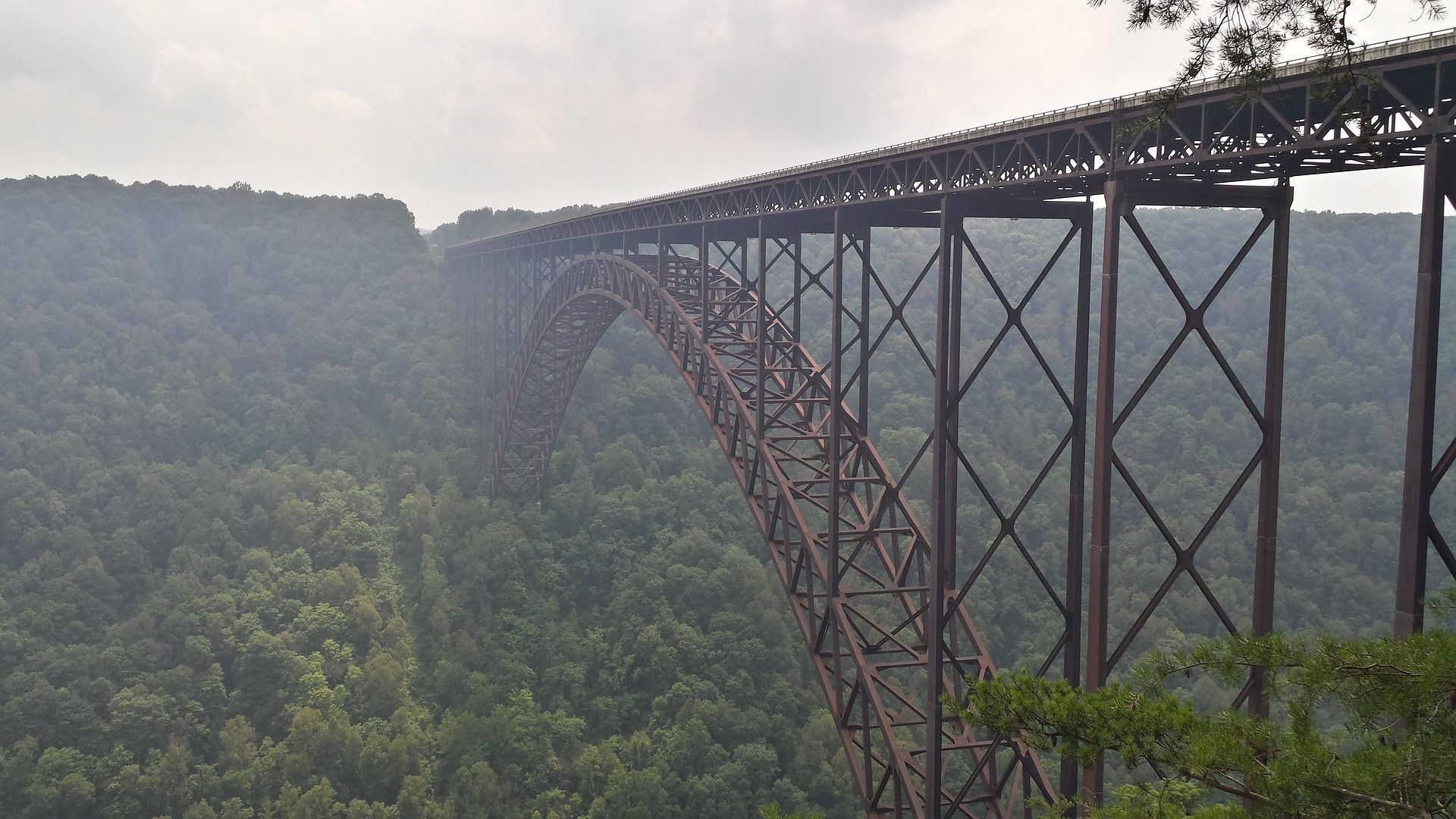 Destination · New River Gorge
Things to Do in New River Gorge National Park
A complete guide to New River Gorge National Park: the best hikes, whitewater, climbing and overlooks, plus where to base yourself and when to come.
12 min read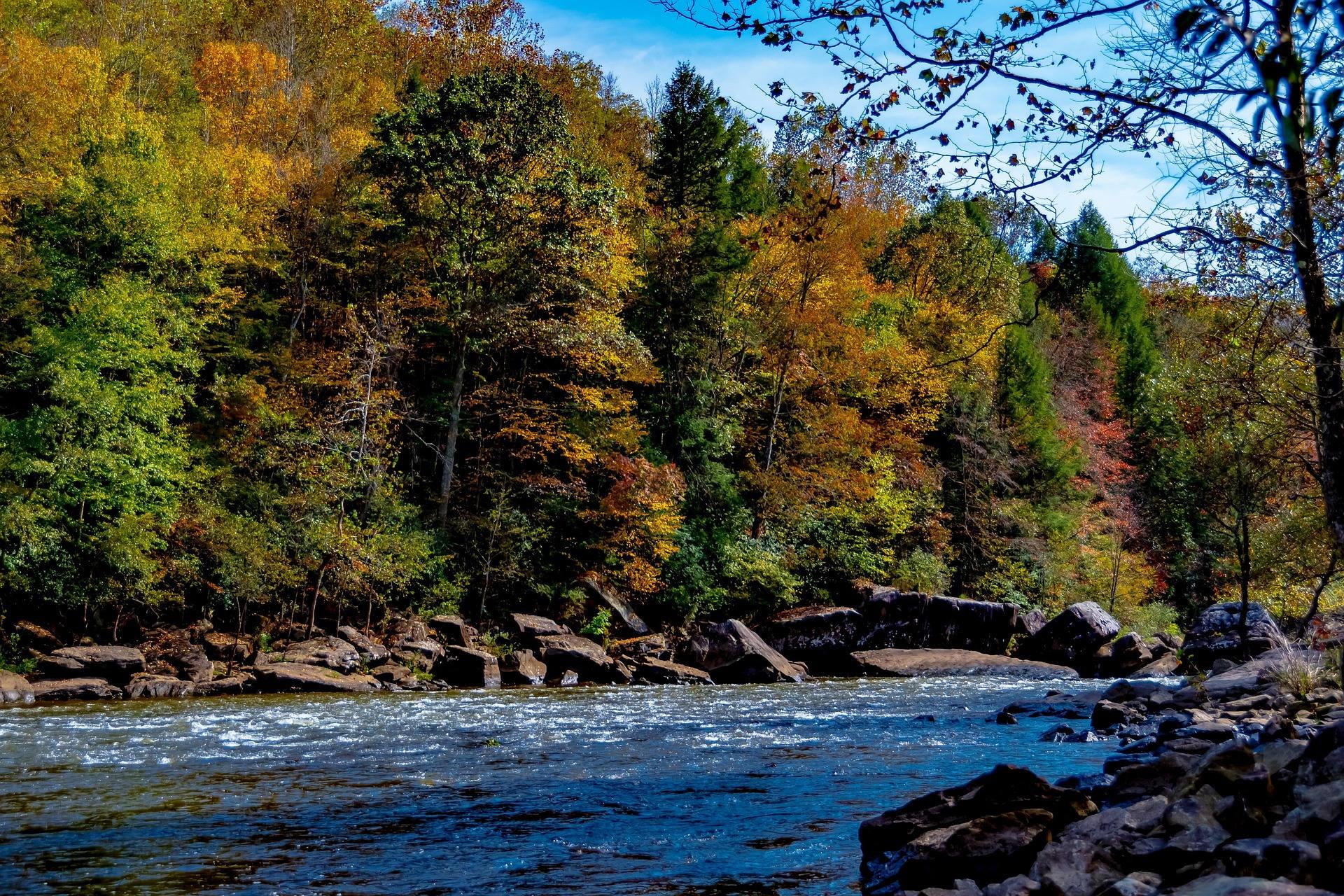 Guide · New River Gorge
Gauley Season: A Complete Guide
Everything to know about Gauley Season in West Virginia: how the dam releases work, Upper versus Lower Gauley, minimum ages, when to book and what to expect.
8 min read · September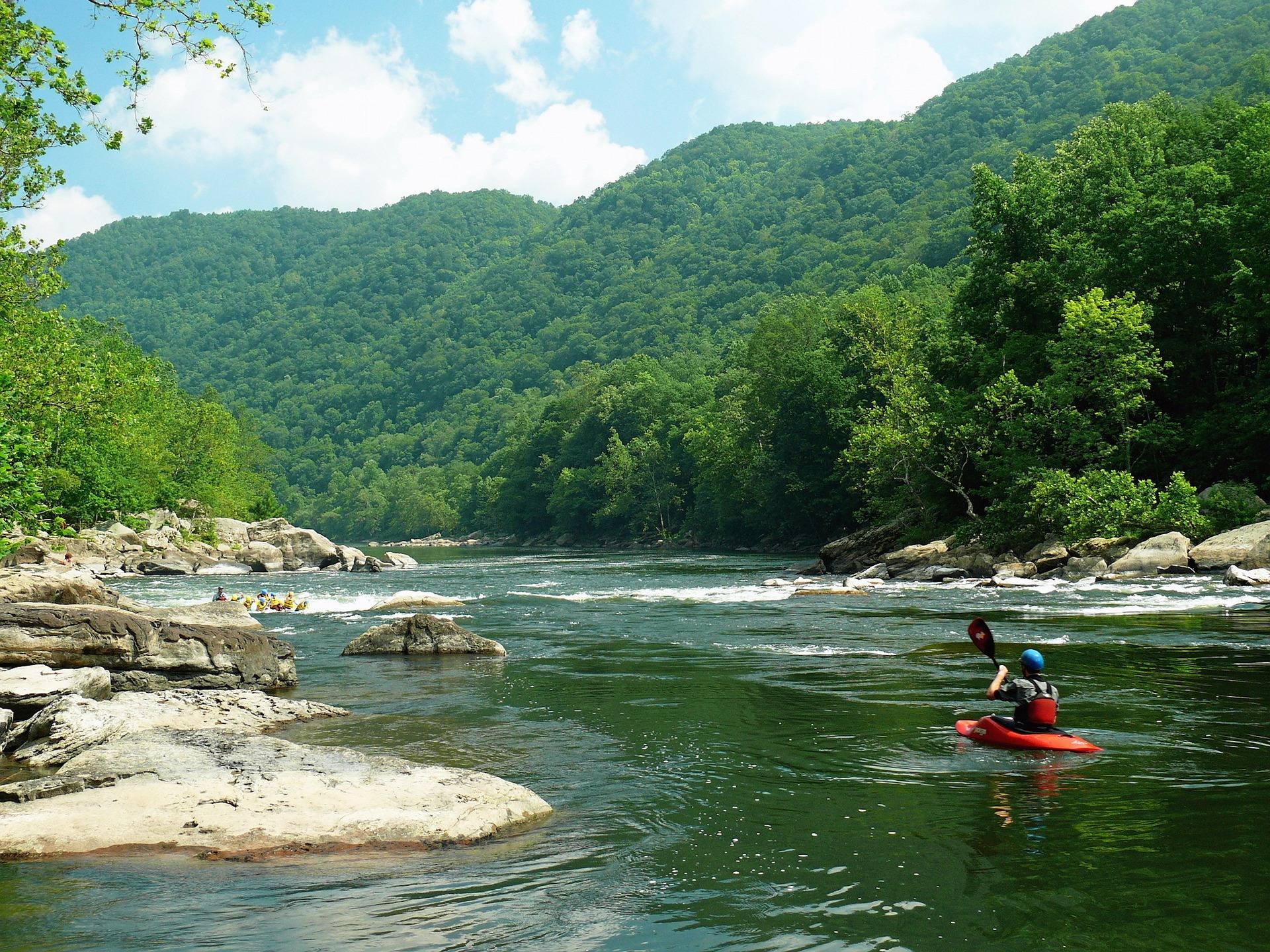 Destination · New River Gorge
Things to Do in Fayetteville, West Virginia
A local guide to Fayetteville, West Virginia: the best hikes and overlooks nearby, rafting and climbing outfitters, and why it is the best gorge base.
8 min read