
Every organization we link to: local tourism offices, the state and federal agencies that manage the land, the nonprofits and clubs that keep access open, and the universities doing the research.
West Virginia has roughly 1.5 million acres of public land and a handful of places that carry almost all of the attention. The consequence is that a great deal of very good ground sits nearly empty, usually for one of three reasons: nobody has heard of it, the road in is gated or rough, or it is undeveloped and has nothing to advertise. Those are the places below — of them across regions.
Almost Heaven Swings
One river has a calendar, the other has snowmelt
The Gauley releases from Summersville Dam on a schedule: roughly six weekends beginning the Friday after Labor Day, at 2,800 cubic feet per second, plus spring flows. That is Gauley Season, when the whitewater community converges on Nicholas and Fayette counties, and it is bookable months out.
Cheat Canyon has no release to count on. It is fed by rain and snowmelt, and its window is March and April, when snowmelt and spring rain put the Cheat, the Blackwater, the Meadow and every Highlands creek at their best. That is the private boater's season statewide. Commercial trips run when flows cooperate, which is the planning problem in four words.
If your trip has a fixed date, book the Gauley. If your dates are flexible and you can move on a few days' notice in spring, the Cheat becomes possible.
What the ratings and the drop numbers describe
The Upper Gauley drops roughly 335 feet in about 10 miles through more than 100 rapids, five rated Class V: Insignificant, Pillow Rock, Lost Paddle, Iron Ring and Sweet's Falls. That is a dense, sustained run delivered at a known flow.
Cheat Canyon is roughly 11 miles reading Class IV-V at high water, through a remote gorge below Albright, with Big Nasty, Coliseum and Pete Morgan among the named rapids. The difference is the qualifier: the Cheat's rating moves with the water, because the run changes character dramatically with flow. The Gauley's release gives you a number to work from.
American Whitewater publishes section-by-section recommended flow ranges for West Virginia, the tool for turning a gauge reading into a decision. Trip duration, water temperature and gradient beyond the figures above are not in these records; ask the outfitters who run both.
First time on big water: run the Lower Gauley
The Lower Gauley is Class III-IV and a superb run in its own right, and it is the better choice for first-time big-water rafters. That is the clearest recommendation in either record and the default for anyone who has not done this before.
The Upper Gauley is not the place to start. Most outfitters require prior rafting experience and set a minimum age, so a beginner may not be able to book it regardless of ambition. The thresholds vary by company and are not published here.
Cheat Canyon is a poor first choice for a different reason. Eleven miles of Class IV-V through a gorge you do not walk out of easily is a commitment, and the difficulty is a moving target. If the Cheat is where you want to be, the Narrows above the canyon is much easier Class II-III water.
Where to check the water before you commit
For the Cheat, watch the river level at Albright. The USGS real-time gauge network for West Virginia covers every gauged stream in the state and updates continuously, and it tells you which version of those eleven miles you are getting.
For the Gauley the homework is the release schedule rather than a gauge. The Corps of Engineers Huntington District publishes reservoir levels and the Gauley release schedule, and the releases come at a known 2,800 cfs.
One version of the Cheat trip works: keep the gear packed, watch the water through March and April, go when it comes up. The version that fails is booking travel months out around a rain-fed river.
Private boaters, rules and what rescue looks like
Kayakers on the Gauley get two windows: the autumn releases at 2,800 cfs and spring flows. The Upper's Class V is not water to learn on, with Pillow Rock and Sweet's Falls mid-run. The Lower, Class III-IV, is where most boaters should build big-water mileage.
The rules are the same on both. A life jacket must be aboard for every person on any vessel, kayaks and canoes included, and boat operators born on or after December 31, 1986 need a boater education certificate. More people are hurt on West Virginia rivers than anywhere else outdoors here, and strainers, undercut rocks and foot entrapment kill experienced paddlers.
Remoteness is the Cheat's real cost. Rescue here often means volunteer squads, long carry-outs and no helicopter option under a canopy in a gorge, and cell service in the gorges should be assumed absent. Eleven miles with a limited walk-out changes how you staff a private trip.
The Cheat's recovery, and the weekend it built
The Cheat's return from decades of acid mine drainage, driven largely by Friends of the Cheat, is one of the great restoration stories in Appalachia, and the work is ongoing rather than finished.
Cheat Fest each spring is the river community's annual gathering and the most direct way to meet the people doing the work. Friends of the Cheat runs on volunteer labor and small donations, like most watershed groups here, so ask what they need in the season you are around. Park where you are told at put-ins; illegal parking is the most common cause of access loss.
The Gauley's draw is the season itself: six weekends of dependable water on the most celebrated whitewater in the eastern United States. Which of those two pulls you respond to is a reasonable way to decide.
The call, by who is asking
First-time big-water rafter: the Lower Gauley, on a release weekend, booked early. Those weekends fill months out, September and October are the busiest weeks of the West Virginia year, and lodging in Fayetteville books months ahead too.
Experienced rafter with a fixed vacation date: the Upper Gauley, if you meet the outfitter's experience requirement and minimum age. Five Class V rapids among more than a hundred inside about 10 miles is the densest documented whitewater in either record.
Boater within striking distance: Cheat Canyon in March or April, watching the Albright gauge, with the Narrows as the fallback when the level is wrong. This run rewards flexibility and punishes rigid plans. Allow real drive time if you want both, since sixty road miles here can take two hours.
What the records cannot settle: prices, trip lengths, outfitter names and minimum ages appear for neither river, and neither is documented for its fish. If you plan to fish either, a West Virginia license is required at 15 and older, with a trout stamp on stocked waters.
Reach people planning this trip
Placement alongside guides for outfitters, guides, shops and lodging.
List your business hereQuestions
is the cheat canyon harder than the gauley?
when can you raft cheat canyon?
which gauley run should a beginner book?
how far ahead do you need to book gauley season?
Read next
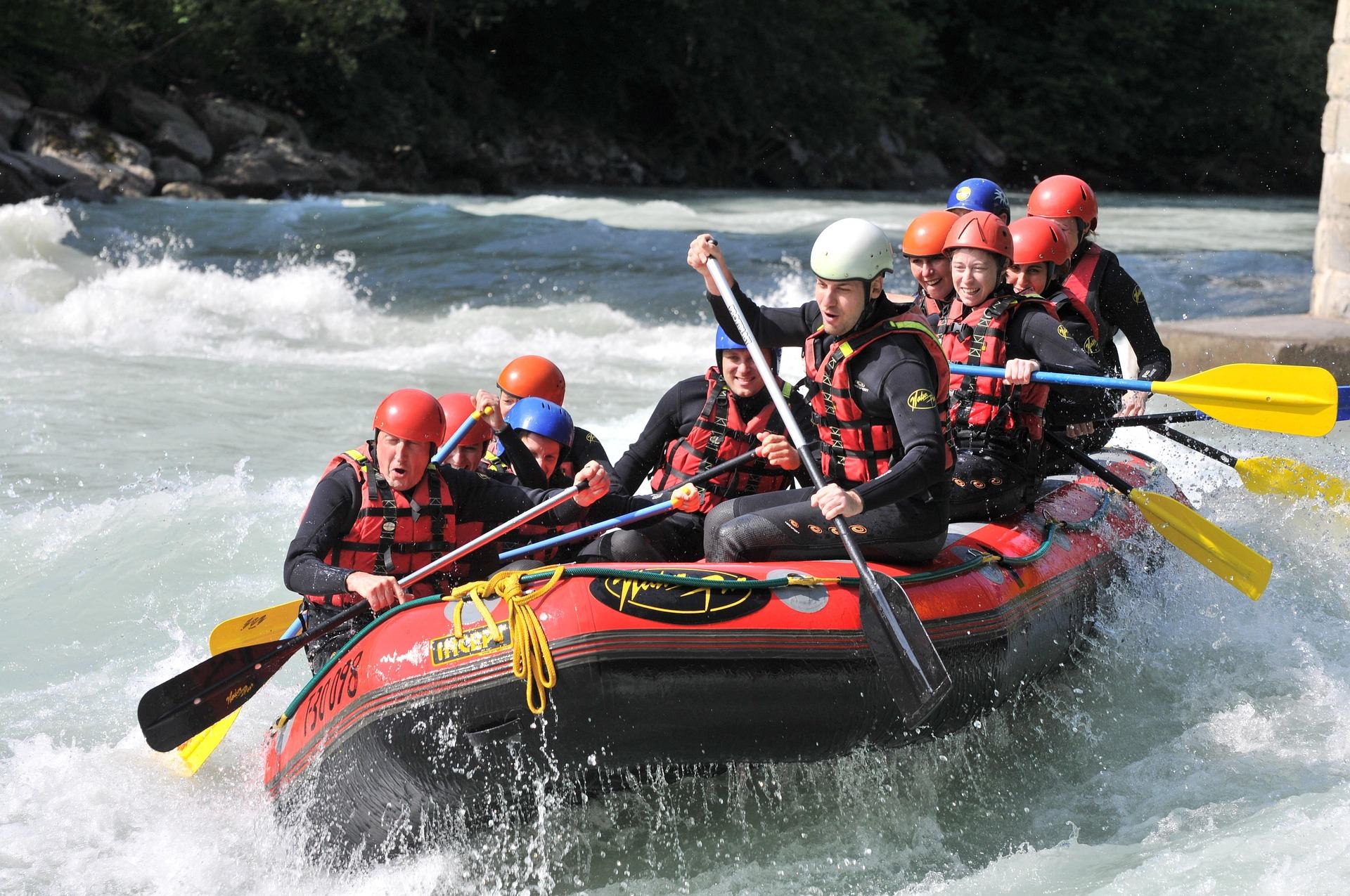 Guide · Mountaineer Country
Rafting the Cheat River Canyon
Where the Cheat Canyon run begins and ends, why its class rating differs by which page you read, when it has water, and what camping costs.
7 min read · April Guide · New River Gorge
Gauley Season: A Complete Guide
Everything to know about Gauley Season in West Virginia: how the dam releases work, Upper versus Lower Gauley, minimum ages, when to book and what to expect.
8 min read · September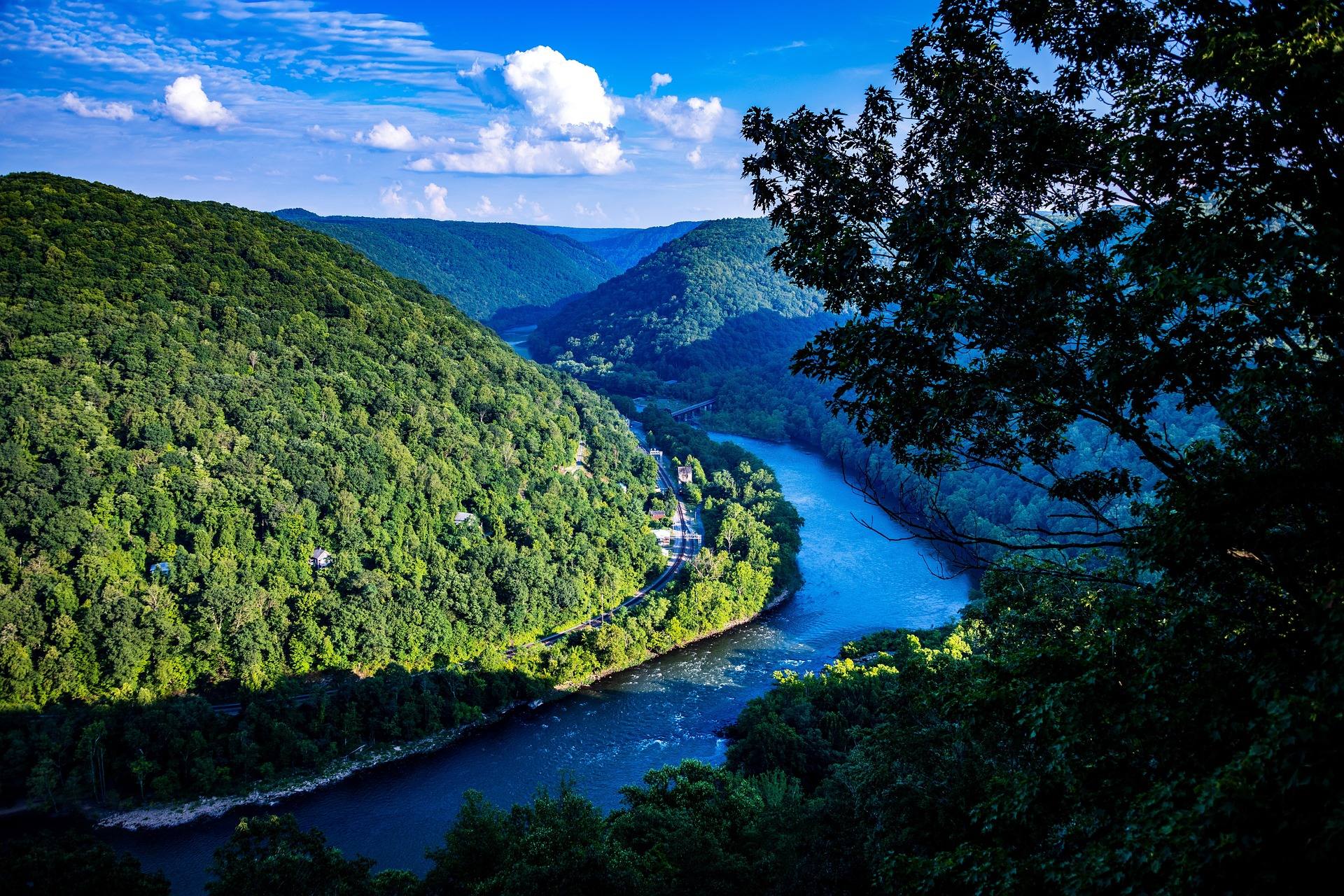 Itinerary · New River Gorge
A Perfect Weekend in the New River Gorge
A two-day New River Gorge itinerary that works: which hikes, which rafting section, where to eat and where to be at sunset, with drive times.
7 min read