
Every organization we link to: local tourism offices, the state and federal agencies that manage the land, the nonprofits and clubs that keep access open, and the universities doing the research.
West Virginia has roughly 1.5 million acres of public land and a handful of places that carry almost all of the attention. The consequence is that a great deal of very good ground sits nearly empty, usually for one of three reasons: nobody has heard of it, the road in is gated or rough, or it is undeveloped and has nothing to advertise. Those are the places below — of them across regions.
Almost Heaven Swings
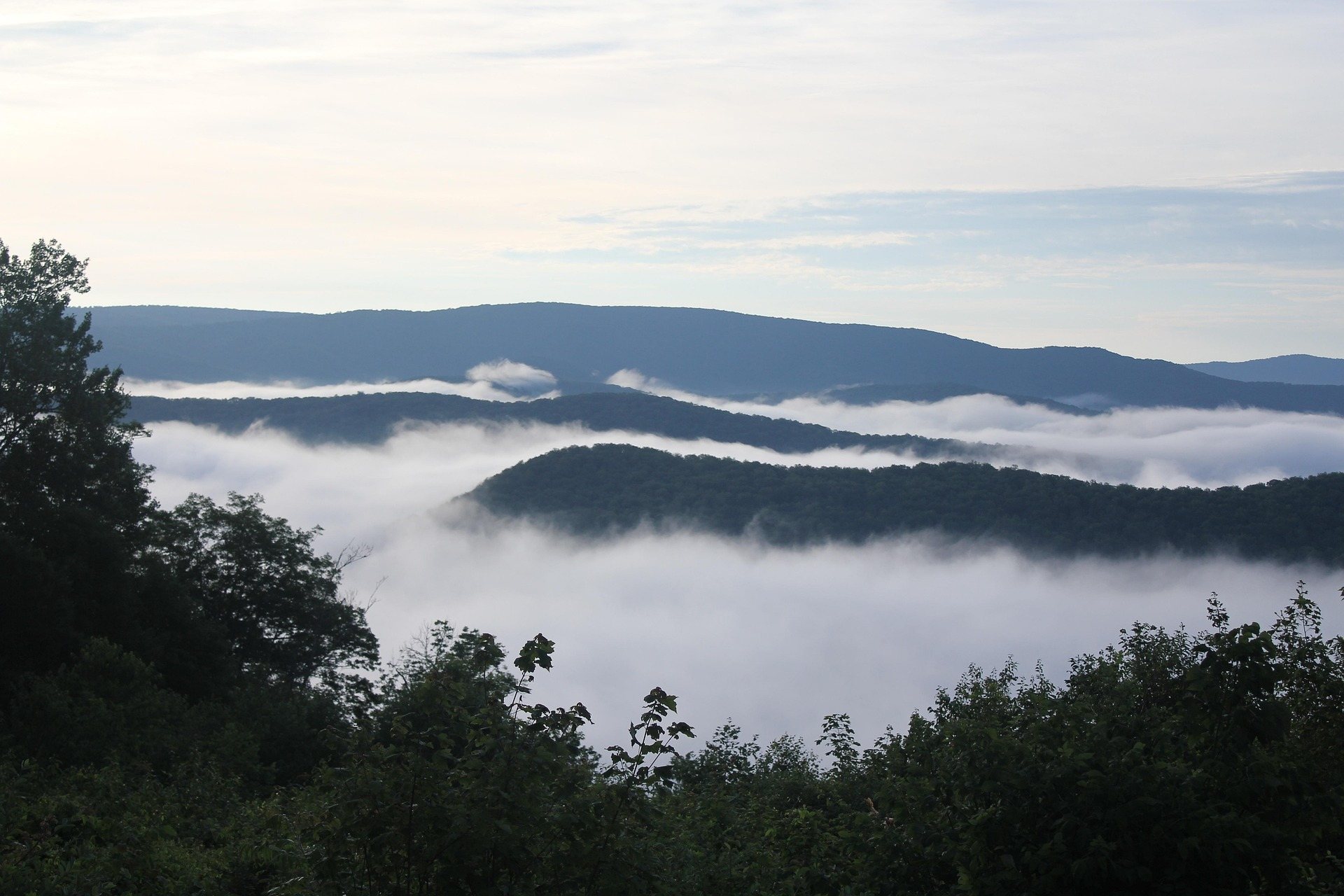
Rain changes the rivers long before it changes the trails
A wet day raises water before it does anything else. More people get hurt on West Virginia rivers than anywhere else outdoors in the state, and levels change in hours after rain. Low-head dams on the Coal, the Kanawha and the Monongahela create recirculating hydraulics that are lethal and nearly invisible from upstream. Strainers, undercut rocks and foot entrapment kill experienced paddlers. A rainy afternoon is the wrong time to improvise a float or wade into a swimming hole you have not inspected from the bank.
Check before you decide. USGS runs real-time gauges on every gauged stream in the state, and American Whitewater publishes recommended flow ranges section by section. If your gauge has jumped since yesterday, that is a change of plan.
Rain works on roads too. Much of the best Highlands access sits at the end of a forest service road; several are rough and some close seasonally, with Forest Road 75 to Bear Rocks the most notorious. Monongahela National Forest posts road status. Dolly Sods and Canaan Valley also run twenty degrees colder than the valleys, with wind and driving rain in June.
Underground holds at about 52 degrees whatever the sky is doing
Karst is the landscape of dissolving limestone, and the Greenbrier Valley sits on some of the most significant karst in the eastern United States. Its caves hold at about 52 degrees Fahrenheit year-round, which is why the hot-weather advice on this site is to go high, go underground or get wet. A washout calls for the same move.
Lost World Caverns, outside Lewisburg, is the accessible face of that karst: a long stairway down into one enormous chamber, 120 feet below the surface, holding the 28-foot Snowy Chandelier stalactite. The self-guided walking tour needs no experience. Weigh that stairway if anyone in your group has trouble with steps.
Organ Cave is a different kind of visit. More than forty miles of passage are mapped, making it one of the longest caves in the United States and one of the largest in the eastern states by surveyed length. It is a national historic landmark for its Civil War saltpeter works, and thirty-seven original hoppers survive underground. Standard tours walk, with no crawling.
Choosing between the two show caves, and when to book a wild tour
With children, a short window or no gear, Lost World Caverns is the pick: self-guided, one chamber, no experience required. If you would rather look at industrial archaeology than at formations, Organ Cave and its hoppers is the better afternoon. Neither standard tour asks anything beyond walking.
The mud versions are a separate commitment. Lost World Caverns runs four-hour wild cave tours that require booking and a change of clothes, and Organ Cave's wild tours require booking and appropriate gear. Neither is a walk-up on a rainy morning.
Beyond the commercial gates, two rules govern. Most significant West Virginia caves are on private land or under conservancy ownership with controlled access, and there is no general right of entry; the practical route is a National Speleological Society grotto. White-nose syndrome has devastated the state's bats, so follow current decontamination protocols and respect seasonal closures.
A steam train is an outdoor day that survives a soaking
Cass Scenic Railroad State Park is a preserved company logging town, founded in 1901, with a working fleet of Shay geared steam locomotives climbing the original grades to Whittaker Station and on to Bald Knob. At 4,842 feet, Bald Knob is the second-highest point in West Virginia and reachable by train. Weather that would ruin a summit hike does little to a rail ride.
Two published details shape the day. The Bald Knob run is four and a half hours round trip, and you should book ahead. Dress warmer than the valley suggests, because Bald Knob is often fifteen degrees colder. In rain and wind, that gap is the whole story.
Cass also solves the night. Restored company houses are rentable as lodging, and the northern terminus of the Greenbrier River Trail is here, so a clearing sky gives you a rail-trail from the same parking. Fares and timetables are not published here; get those from the state parks system.
The free-day-use math, and where a lodge is the honest answer
No admission is charged at any of the 35 state parks or 9 state forests; the policy dates to the system's founding and is set in state code. Fees apply only to camping, cabins, lodge rooms, pools, golf and rental. Abandoning a plan mid-morning costs nothing at the gate, which makes park-hopping a reasonable answer to weather.
Ten parks operate full lodges with restaurants and conference space: Pipestem, Canaan Valley, Blackwater Falls, Cacapon, Twin Falls, Hawks Nest, North Bend, Tygart Lake, Stonewall Jackson and Chief Logan. Pipestem has the largest lodging operation, including a lodge reachable only by aerial tram. Treating rain as a rest day is a legitimate use of a trip.
Do not count on that at short notice. Cabin bookings open a year ahead, and Babcock, Blackwater Falls, Watoga and Cacapon fill for summer weekends and all of October within days. Lodging in Fayetteville, Davis and Marlinton books months ahead for autumn.
Planning a wet day that still works
Booking is the pivot on every option here. Wild cave tours at both caves require it, the Bald Knob run requires it, and peak-season cabins went months ago. Hours, ticket prices and tour schedules are not published on this site: confirm them with Lost World Caverns, Organ Cave, and the state parks system for Cass.
Assume no cell service in the Highlands, the wilderness areas, the gorges and the National Radio Quiet Zone. Download offline maps before you leave a signal. Plan fuel stops in Pocahontas, Randolph, Pendleton and Webster counties, where what exists may close early or on Sundays.
Resist reading the map for time. West Virginia roads follow creeks and ridges, and sixty road miles can take two hours. Chaining a cave near Lewisburg to a train at Cass to a lodge elsewhere is a real drive. Pick two things.
Reach people planning this trip
Placement alongside guides for outfitters, guides, shops and lodging.
List your business hereQuestions
what is there to do in west virginia when it rains?
how cold is it inside a west virginia cave?
is it safe to go rafting or tubing after heavy rain in west virginia?
do west virginia state parks charge admission on a rainy day?
Read next
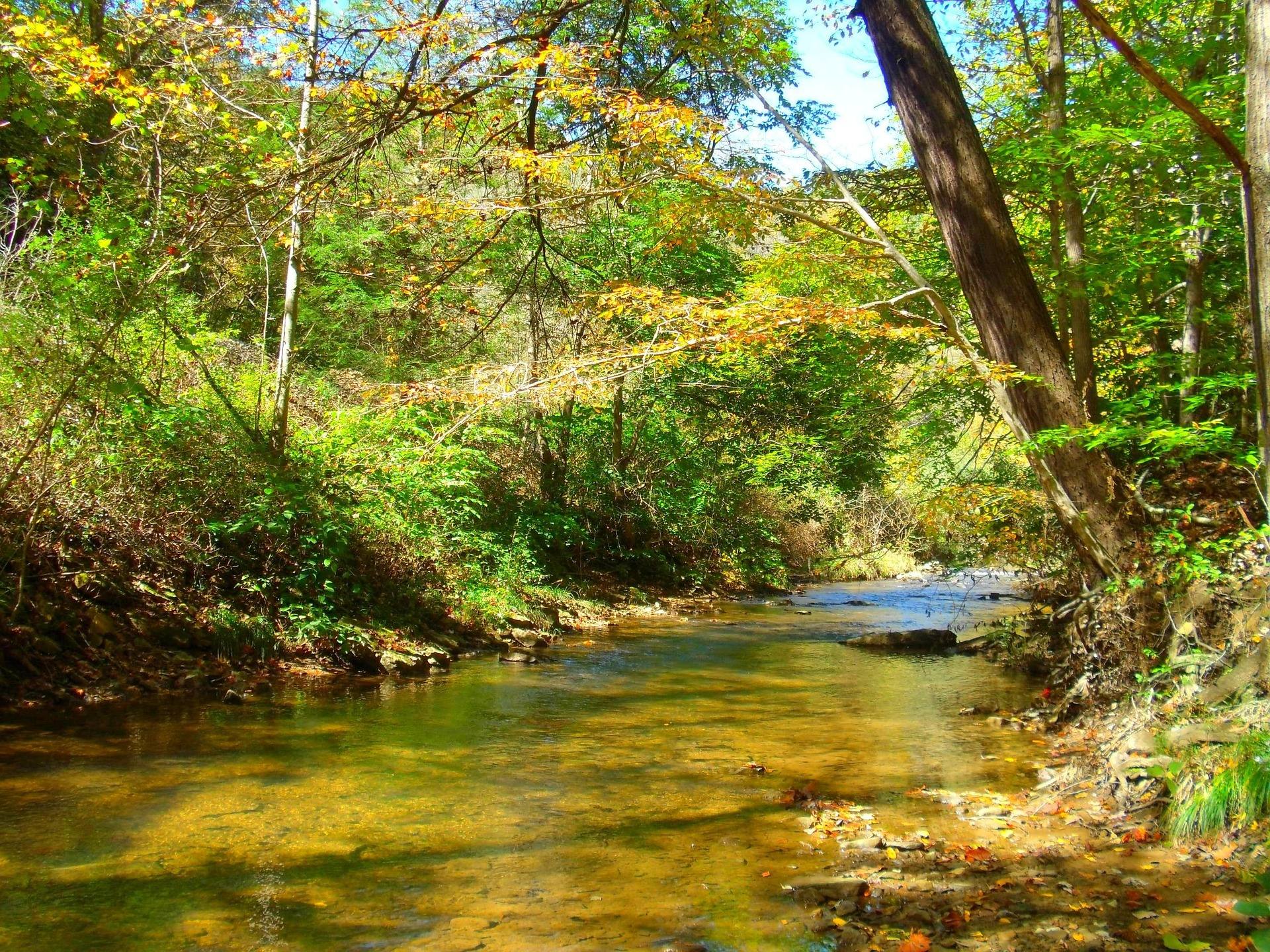 Guide · Greenbrier Valley
Caving in the Greenbrier Valley
Lost World Caverns and Organ Cave sell tickets. Friars Hole does not. What each kind of trip requires, and how cave access permission actually works here.
8 min read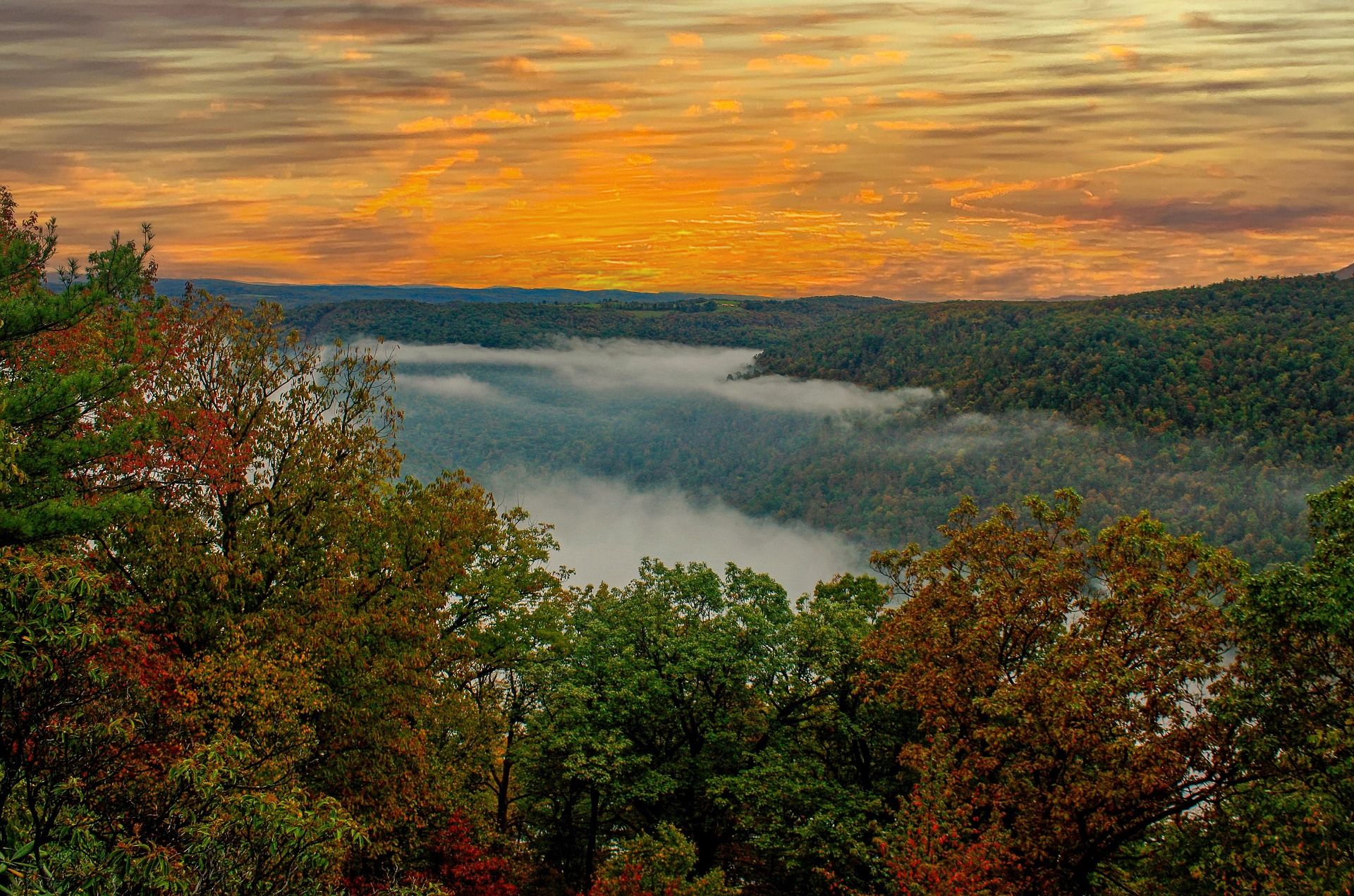 Destination · Greenbrier Valley
Cass Scenic Railroad and Bald Knob
Shay steam up the original logging grades to Bald Knob at 4,842 feet: the 4.5-hour run, what to wear, the company houses, and the trail that starts here.
7 min read · September Destination · Greenbrier Valley
Things to Do Outdoors in Lewisburg, West Virginia
A survey of the outdoor options around Lewisburg: the rail-trail at Caldwell, Kate's Mountain, Blue Bend, summer tubing water, and the wet-weather backups.
7 min read